940-380-1188
What Can I Eat and What Should I Avoid After A Dental Implant?
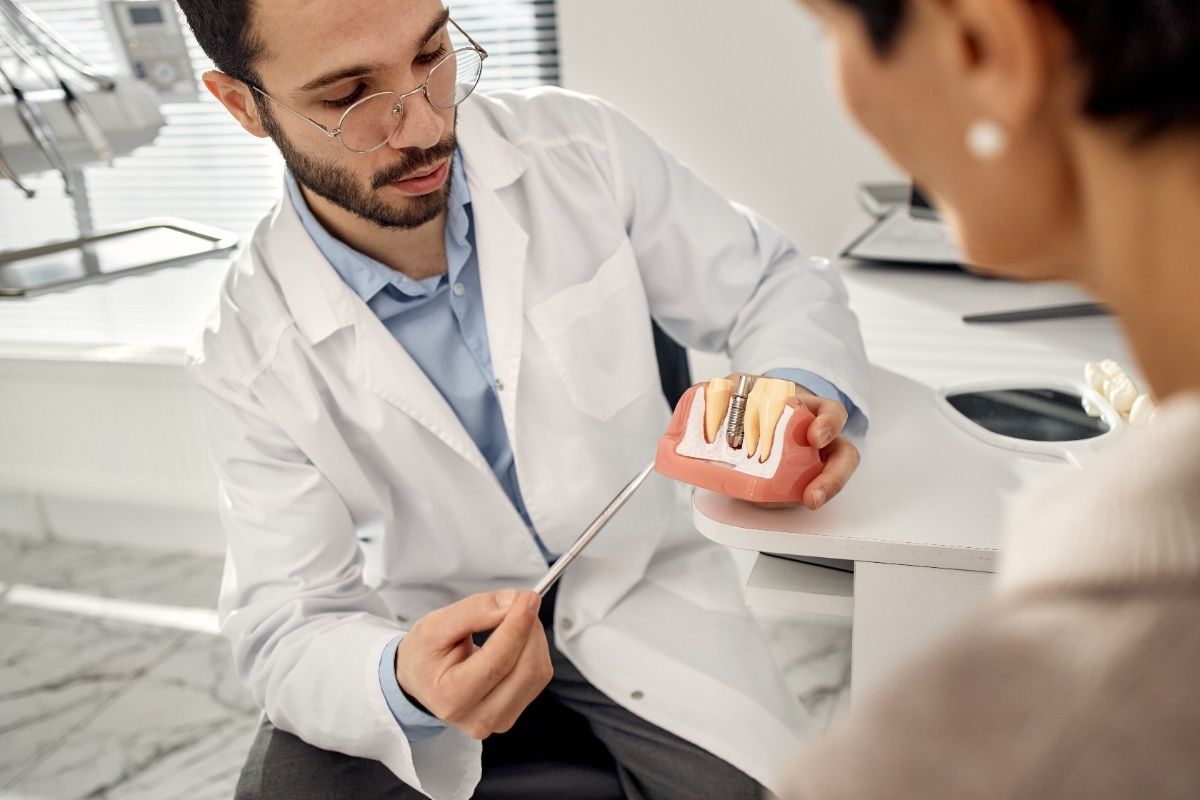
So, you’ve finally taken the plunge and joined the millions of Americans who opt for dental implants every year. First of all, congratulations! Whether you replaced a single missing tooth or went for a full-arch restoration, you’ve made a significant investment in your health and confidence. According to the American Academy of Implant Dentistry (AAID), roughly 3 million people in the United States already have implants, and that number is growing by about 500,000 every single year.
But as you’re sitting there—perhaps a bit numb, definitely a bit hungry—you might be staring at your refrigerator and wondering, “What on earth can I eat without ruining this thing?”
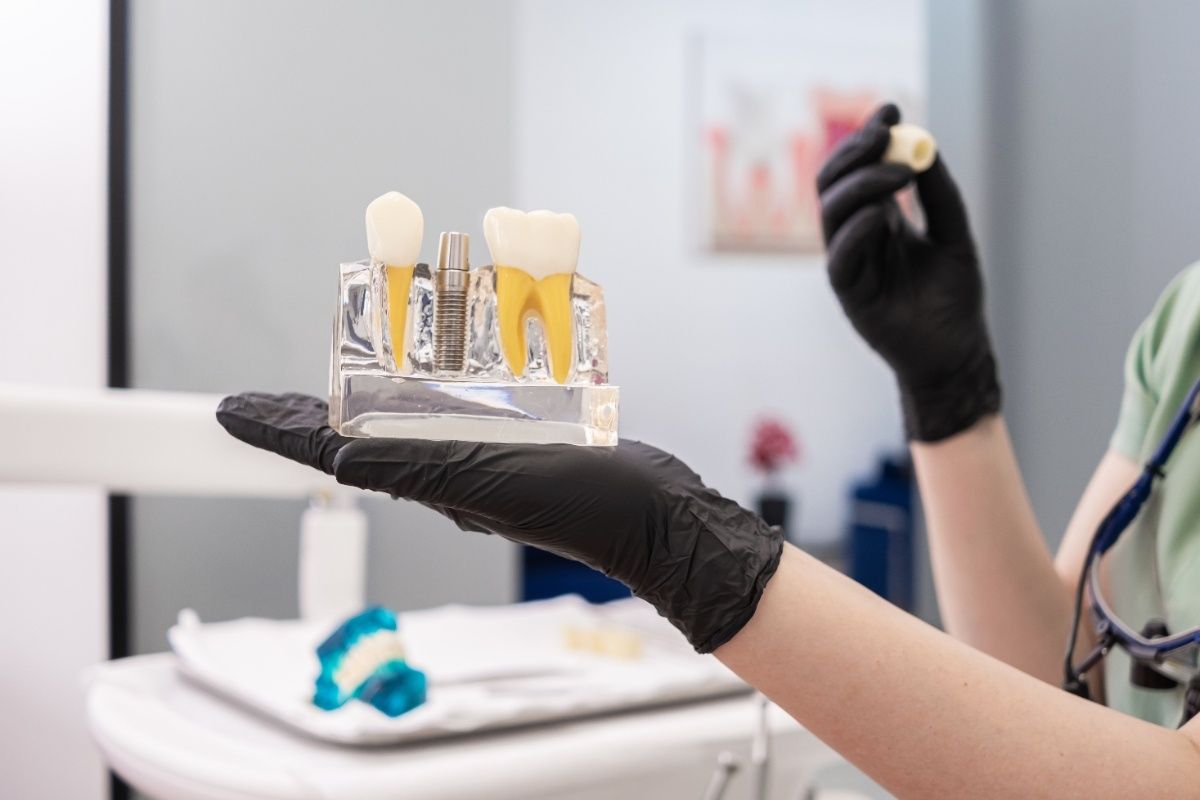
It’s a valid fear. You’ve just had a titanium post precisely placed into your jawbone. It’s the start of a beautiful friendship between metal and bone: osseointegration. But for that friendship to blossom, the next few weeks are critical. One wrong move with a sourdough crust or a handful of almonds could set you back.
Are you ready to navigate the “Soft Food Season”? Let’s dive into the ultimate guide on what to eat, what to avoid, and the data-backed reasons why your diet is the secret sauce to a 98% success rate.
Why Diet Matters After a Dental Implant
First things first: dental implants have come a long way.
In the United States, about 3 million dental implants are placed each year — and the trend continues to grow.
These procedures are among the most successful dental surgeries available, with success rates often cited around 95% or higher when proper care is followed.
But here’s the twist: implant success isn’t just about the surgery.
Your diet after placement plays a significant role in supporting healing. Why? Because the implant needs time to bond to the bone — a process called osseointegration — and too much pressure, heat, or irritation can slow healing or even risk complications.
Phase 1: Immediate Post‑Surgery (First 1–3 Days)
Right after surgery, your mouth needs total TLC.
What to Eat
Stick with liquids and ultra‑soft foods that require no chewing:
- Cool or room‑temperature smoothies (no seeds)
- Broth and cream soups (lukewarm, not hot)
- Protein shakes
- Applesauce
- Greek yogurt
- Pudding, Jello, or custard
- Cool milk or milkshakes
Why soft foods? They prevent pressure on the implant and avoid irritation at the surgical site.
Tip: Avoid using a straw — the suction can disturb blood clots that are forming around the implant site, which are essential for initial healing.
Phase 2: Soft Foods Only (Days 3–7)
Swelling has likely gone down by now, but the implant site still needs gentle care.
Safe Foods You Can Enjoy
Here are nutrient‑rich, soft‑texture foods that help healing without chewing pressure:
Protein & Healing
- Scrambled or soft‑cooked eggs (excellent protein)
- Soft fish (like salmon or cod)
- Tofu or pureed beans
- Smooth cottage cheese
Carbs & Comfort
- Mashed potatoes / sweet potatoes
- Oatmeal or cream of wheat
- Soft pasta or rice
Fruits & Veggies
- Bananas, mashed avocado
- Steamed, mashed vegetables
- Fruit purees or soft fruit cups
Hydration
- Water (of course)
- Herbal teas (lukewarm)
- Diluted juices (non-acidic)
A diet rich in protein, vitamins A and C, calcium, and zinc helps tissue repair, immunity, and bone strength.
Fun fact: Eggs are considered a “complete protein” — meaning they contain all essential amino acids your body needs for healing.
Phase 3: Progressing Your Diet (Weeks 2–6)
If your mouth feels more comfortable and your qualified dentist in Denton gives the all‑clear, you can gradually expand what you eat — but with caution.
Foods You Can Slowly Add Back
- Soft chicken (tender, shredded)
- Soft meats like turkey or ground beef
- Steamed veggies
- Soft bread (no hard crust)
- Pancakes, waffles, or soft quesadillas
- Rice, well‑cooked grains
Most people can return to a near‑normal diet by about 2 weeks, as long as there’s no pain during chewing.
Pro tip: Cut foods into small pieces and chew on the opposite side of the implant site until you’re entirely comfortable.
Foods You Should Avoid — Seriously
While your mouth is healing, steering clear of certain foods can make a huge difference in comfort and outcome.
Hard & Crunchy Foods
- Nuts, seeds
- Chips, hard pretzels, crackers
- Raw carrots, raw apples (unless peeled and softened)
- Hard‑crust bread or pizza crust
- Ice
These can cause uneven biting stress or break stitches, disrupting healing.
Sticky & Chewy Foods
- Caramel, taffy, gummy candies
- Chewing gum
- Sticky sweets
Stickier foods get trapped around the implant site and can attract bacteria — not ideal for healing.
Spicy, Acidic & Hot Foods
- Hot sauces
- Citrus juices (orange, lemon)
- Soda and carbonated drinks
- Tomato‑based sauces
High temperatures and acidity can irritate sensitive gum tissue, leading to increased swelling or pain.
Alcohol & Caffeine
Alcohol can slow healing and dehydrate tissues, which isn’t great after surgery. Caffeine can also contribute to dehydration.
Why All These Restrictions Really Matter
It’s easy to think of food restrictions as just “extra rules.” But your implant’s healing process is biologically complex.
Right after surgery, the bone and gum are in a tender, formative stage — cells are trying to fill in and form a stable connection. Even minor pressure or micro‑trauma from chewing hard food can cause irritation or micro‑movement at the implant site, slowing or impeding osseointegration.
In rare cases, complications like peri‑implantitis (infection around the implant) can occur if bacteria accumulate due to poor eating habits or inadequate cleaning.
And while implants have great long‑term success, even lifestyle habits like smoking or poor nutrition can negatively impact outcomes.
Sample Daily Meal Plan for the First Week
Here’s a simple idea to keep meals safe and satisfying:
- Breakfast – Greek yogurt with mashed banana
- Lunch – Creamy soup + mashed sweet potato
- Snack – Applesauce or smoothie (no seeds)
- Dinner – Soft scrambled eggs + steamed soft veggies
- Hydration – Water or herbal tea throughout the day
Conclusion
The journey to a permanent, beautiful smile is a marathon, not a sprint. While the “Soft Food Phase” might feel like an eternity when you’re craving a burger, remember the statistics: a few weeks of mashed potatoes can secure a tooth that lasts 25 years or more.
By following these guidelines—sticking to liquids initially, embracing soft proteins, and avoiding the “crunch” of danger—you are giving your body the best possible chance at a successful outcome. Listen to your body, follow your Implant dentist in Denton’s specific instructions, and before you know it, you’ll be back to enjoying all your favorite foods with zero hesitation.
FAQs
1. How long should I stay on soft foods?
Most people follow a soft food diet for the first 7–10 days, gradually returning to everyday foods as comfort allows.
2. Can I chew on the implant side after a week?
You can start slowly, but it’s safest to chew primarily on the opposite side until you are entirely comfortable and cleared by your clinician.
3. Is it okay to drink smoothies every day?
Yes — as long as they’re soft, seed‑free, and not too cold. Avoid straws!
4. When can I eat crunchy foods again?
Crunchy foods should be avoided until your dentist confirms sufficient healing — often 4–6+ weeks.
5. Will diet affect how well my implant fuses with the bone?
Yes — a gentle, nutrient‑dense diet supports bone healing and reduces complications like inflammation or micro‑trauma. Proper diet + hygiene = better outcomes.