940-380-1188

How To Manage Taste Changes After Dental Implants?
Have you ever bitten into your favorite slice of New York-style pizza or sipped a refreshing iced tea only to realize… something is off? If you’ve recently joined the three million Americans who have dental implants, you might be wondering why your taste buds seem to be on a temporary hiatus or behaving strangely. Is it the titanium? Is it the healing process? Or is your brain just playing tricks on you?
First off, breathe easy: you aren’t losing your mind, and you certainly haven’t lost your love for good food forever. While dental implants are the gold standard for restoring smiles, the journey from surgery to that first perfect meal can occasionally involve some sensory “static.” Let’s dive into why this happens, what the data says about oral sensation, and how you can get back to enjoying every flavorful bite.
The Science of Taste and Dental Restoration
To understand taste changes, we have to look at the anatomy of the mouth. Human taste is a complex interplay between the tongue’s papillae, the olfactory system (your sense of smell), and the trigeminal nerve, which provides sensory information to the face and mouth.
Why Implants Impact Sensation
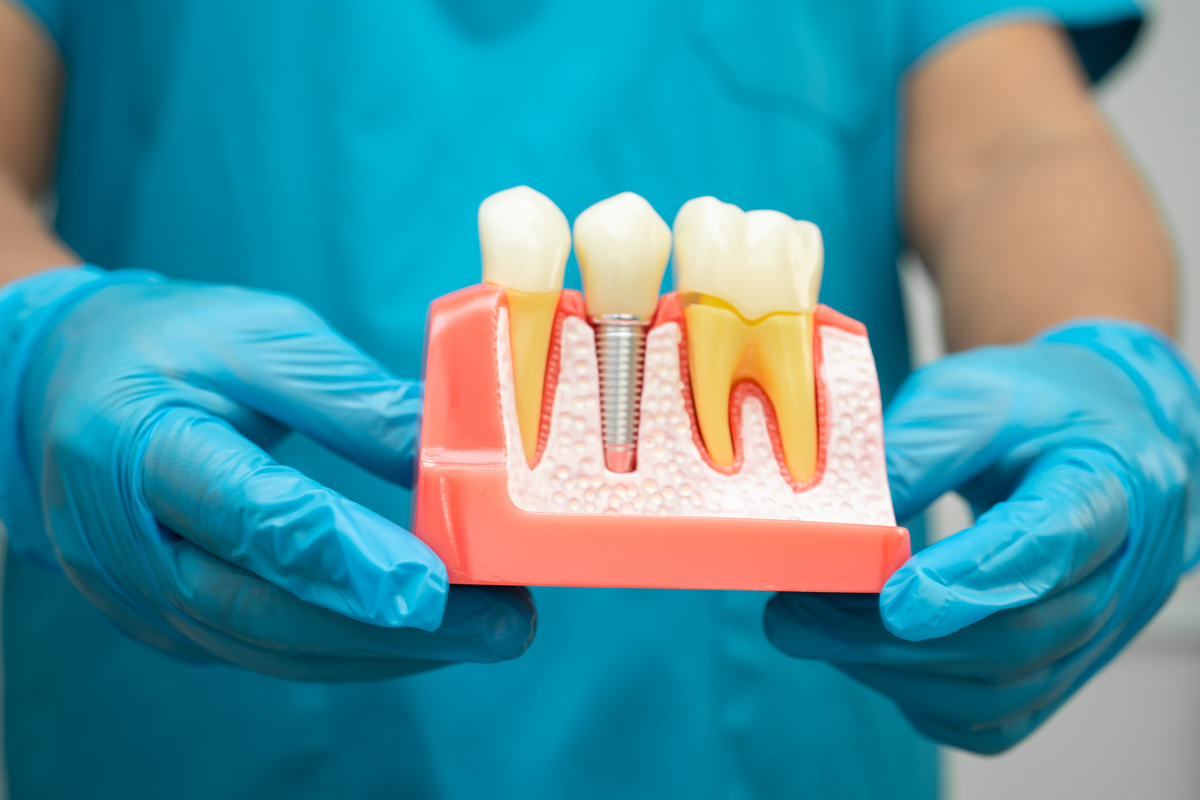
Unlike natural teeth, which are suspended by the periodontal ligament (PDL), dental implants are fused directly to the bone through osseointegration. The PDL contains high concentrations of mechanoreceptors that tell your brain exactly how hard you are biting and help “map” the environment of your mouth. When a tooth is replaced by an implant, that specific feedback loop changes.
According to a study published in the Journal of Oral Rehabilitation, patients often experience a period of “sensory adaptation.” While the implant itself doesn’t have nerves, the surrounding gingival tissues and the pressure exerted on the jawbone during chewing send new signals to the brain. During this recalibration, your brain may prioritize healing signals over subtle flavor profiles.
Common Causes of Taste Changes
Understanding the root cause helps you manage symptoms effectively.
- Nerve Irritation: Dental implants placed near nerve canals may cause temporary inflammation or compression.
- Surgical Trauma: Even with expert care, minor trauma during surgery can affect sensory pathways.
- Dry Mouth (Xerostomia): Reduced saliva alters how taste buds function, making food taste dull or unusual.
- Medications: Post-surgical antibiotics, painkillers, or anti-inflammatory drugs may cause taste distortion.
- Oral Infections or Healing Issues: Bacterial buildup or inflammation at the implant site can cause unpleasant tastes.
How Long Do Taste Changes Last?
- Short-term: A few days to weeks
- Moderate cases: 1–3 months
- Rare cases: Up to 6–12 months
Nerve healing is slow, but gradual improvement is common.
10 Proven Ways To Manage Taste Changes
1. Stay Hydrated
Water helps restore saliva flow and cleanse your mouth.
Tip: Aim for 8–10 glasses daily.
2. Practice Excellent Oral Hygiene
Brush twice daily and floss gently around the implant.
- Use non-alcoholic mouthwash
- Clean the implant area carefully
3. Choose Flavor-Enhancing Foods
If food tastes bland, try:
- Citrus fruits (oranges, lemons)
- Herbs and spices (basil, mint)
- Mild seasonings
Avoid overly spicy foods during healing.
4. Avoid Metallic Triggers
Some patients report a metallic taste.
- Use plastic or ceramic utensils
- Avoid highly processed foods
5. Manage Dry Mouth
Dry mouth worsens taste issues.
Try:
- Sugar-free gum
- Saliva substitutes
- Staying hydrated
6. Review Your Medications
Some medications alter taste.
Ask your dentist or physician if alternatives are available.
7. Maintain a Balanced Diet
Nutrient deficiencies—especially zinc and vitamin B12—can impact taste.
Include:
- Lean proteins
- Leafy greens
- Whole grains
8. Use Saltwater Rinses
A simple rinse can reduce bacteria and improve taste.
Recipe:
- 1 cup warm water
- ½ teaspoon salt
Use 1–2 times daily.
9. Avoid Smoking and Alcohol
Both can:
- Delay healing
- Worse dry mouth
- Distort taste perception
10. Follow Up With Your Dentist
If symptoms persist beyond a few weeks, schedule a check-up.
Persistent taste changes could indicate:
- Nerve involvement
- Infection
- Implant adjustment issues
When Should You Be Concerned?
Contact your local certified Denton dentist if you experience:
- Taste changes lasting more than 2–3 months
- Severe numbness or tingling
- Pain or swelling around the implant
- Persistent bad taste with odor
Early intervention improves outcomes significantly.
Tips for Faster Recovery
- Stick to soft foods during healing
- Avoid extremely hot or cold foods
- Keep stress levels low (stress can affect taste perception)
- Get adequate sleep
Conclusion
Taste changes after dental implants can feel frustrating—but they’re usually temporary and treatable. Research shows that most patients regain normal sensation as nerves heal and inflammation subsides.
By maintaining good oral hygiene, proper nutrition, and regular dental follow-ups, you can speed up recovery and protect your investment in your smile.
If your symptoms persist, don’t ignore them—early evaluation can make all the difference in ensuring long-term comfort and success.
Frequently Asked Questions
1. Is it normal to lose taste after dental implants?
Yes, mild taste changes can occur due to nerve irritation, but they are usually temporary.
2. How long does altered taste last after implant surgery?
Most cases resolve within weeks to a few months, though rare cases may last longer.
3. Can dental implants permanently affect taste?
Permanent taste changes are rare, affecting a small percentage of patients.
4. What foods help restore taste?
Foods rich in zinc, such as citrus fruits, herbs, and protein, can help improve taste perception.
5. When should I see a dentist about taste changes?
If symptoms persist for more than 2–3 months or worsen, consult your dentist immediately.