940-380-1188

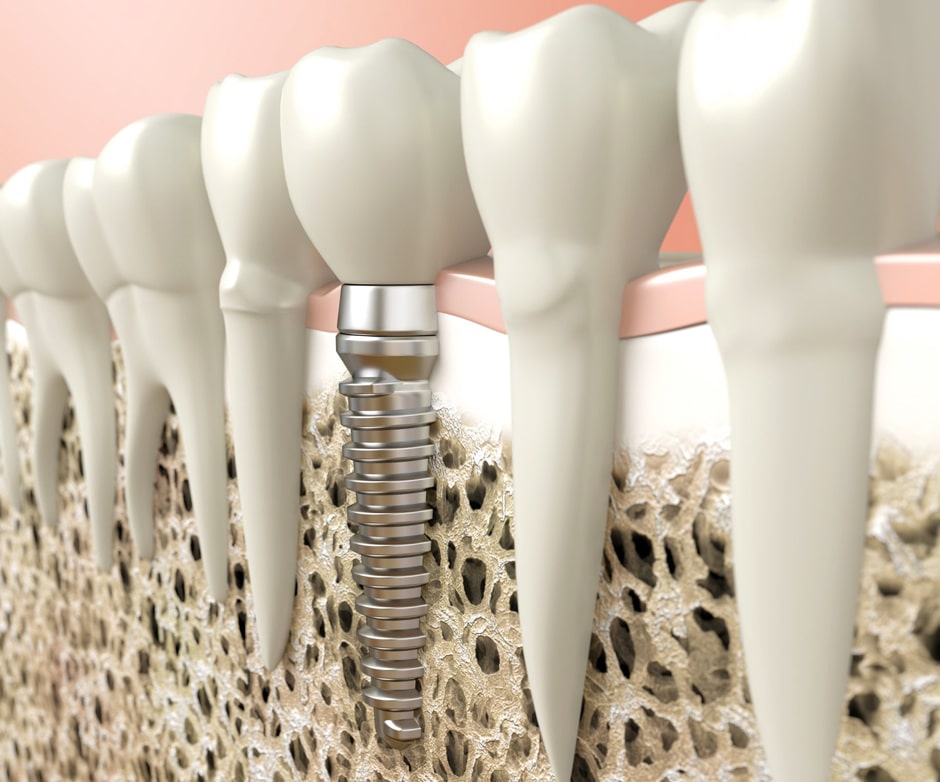
Dental Implants: Care Following the Procedure
The dental implant process can occur in several stages, including possible extractions, placement of the implant posts, and the final restoration. Following each stage, it is important for patients to follow the post-operative protocols we provide. This ensures the best possible healing environment for the surgical site and the best possible long-term success of that implant.
Stage 1: Extraction
If an existing tooth or teeth must be extracted before the implant(s) can be placed, we will schedule a time for this work to be completed. Often, we can also place the implant post at this appointment, though if there is any infection at the extraction site, we may need to give it time to recover before placing the implant.
If only the extraction is completed in stage 1, the post-operative care involves keeping the area clean and leaving any stitches in place for the specified length of time. We will give guidance on pain reliever options if needed. Note that it is important to avoid aspirin, since it can thin the blood, which negatively impacts healing time. We want the blood clot to help us keep out infection and aid in overall recovery at the extraction site. We will provide some gauze as well, so you can periodically change it every 15-30 minutes for several hours following the extraction.
Some patients also feel that using ice packs on the outside of the face can aid in pain relief and in reducing any swelling. Following an extraction, some swelling is common, and may not even occur until a day or so after the fact. Alternate 15 minutes with the ice pack, and 15 minutes without it for up to two hours at a time.
Aside from the aspirin, other things to avoid following an extraction include:
- Smoking: the chemicals can prevent proper clotting
- Chewing solid foods on that side: wait until all numbness has subsided
- Using straws: sucking may pull at the clot
- Touching the extraction site
Stage 2: Implant Post Placement
If the post(s) could not be placed at the time of the extraction, or if extractions were not needed, the implants will be placed at a separate appointment. Following this procedure, care is like that of the post-extraction instructions. The most important thing is to keep the area clean, and to not disturb the clotting process, as this is how the site will heal fastest. Get plenty of rest for the first day after your procedure and use pain relievers as described in your post-operative care paperwork. If you were prescribed a prescription-strength pain reliever, we recommend taking those with some food to help with nausea.
Swelling may also occur, just as with the extractions. Ice packs can be used to alleviate this, with 15 minutes on, and 15 minutes off, over the course of the first 24 hours following the implant placement.
Patients also tend to experience some minor bleeding for the first couple of days. This often looks worse than it is, because it is a mix of saliva and blood. We will give you extra gauze to take home, so you can continue to change it every 30 minutes or so. You should see a lessening of the quantity of blood on the gauze with each change. If you continue to experience moderate to heavy bleeding, try gently biting down on a moist tea bag. If this still does not help, call the office.
Just as with the post-extraction protocol, there are several things not to do, including:
- Smoking: the chemicals can prevent proper clotting
- Chewing solid foods on that side: wait until all numbness has subsided
- Using straws: sucking may pull at the clot
- Touching the extraction site
Because we need the implant post to fuse to your bone, it’s important to avoid disturbing it as much as possible for the first several weeks. Stick to softer foods and avoid chewing on the side with the newly-placed implant until you have received confirmation that it has healed.
Stage 3: Implant Restoration
If you have a single implant with a crown restoration, the post-operative care at this stage includes avoiding chewing on that tooth for the first 24 hours. This ensures the cement sets properly, so the crown stays put for many years to come. After the first 24 hours, you can resume normal activity.
If you have a removable prosthesis, such as a full denture or a partial, you can resume regular activity right away. Regular cleaning of the prosthesis is just as important as regular oral hygiene. We will provide instructions on caring for your prosthesis, which include keeping it submerged in a cleansing solution overnight and cleaning it regularly with a separate toothbrush.
In all stages of this process, maintaining good oral hygiene is key. Continue to brush your teeth as you normally would, but with a bit of extra care around any sore areas. Salt water rinses are also helpful in keeping all areas clean, but do not rinse with salt water until 24 hours after each procedure, so as not to disturb the clotting process.
What Our Patients Say

Absolutely the *TOP* dentist in the D/FW area! We were referred to Dr. Olson by a friend. His office is a 35 minute drive from our home and absolutely worth it. Our daughter is 4 years old and needs extensive work done on her teeth, that will require IV sedation. We have met with 3 other dentists in the area, and didn’t have a peace about them being the ones to do the work on her. We have been searching for the very best, and thankfully, found Dr. Olson.

Cristina W.
Smiles staff are all very pleasant and professional. I have had many bad experiences with dentist and was afraid to go back. Dr. Tran did 3 fillings on me. I actually fell asleep. She’s soft spoken and very gentle handed. My extraction also went well didn’t fall asleep but didn’t have any pain. Yay They did a follow up call to see if I had any issues. I would recommend any and every one to make Smiles their dentist.
PS: very clean facility too
Alisha C.
Not a fan of the dentist in the slightest but everyone at Denton Smiles is top notch and erased my fear completely. I'm super appreciative and can't recommend enough. Having people poke around in your mouth is a pretty invasive experience, but everyone here does nothing but put your mind at ease. THANK YOU!!!
MavLHP44
Everyone in the office was really kind and you can tell they care about their patients. They took their time, asked questions, and listened to my concerns. There was an issue with my insurance and they gave me great advice as to how to handle it. Also, I received the gentlest but most thorough cleaning. I will definitely be visiting again in 6 months!