940-380-1188
How Do Regular Dental Checkups Reduce Your Risk of Needing A Root Canal?

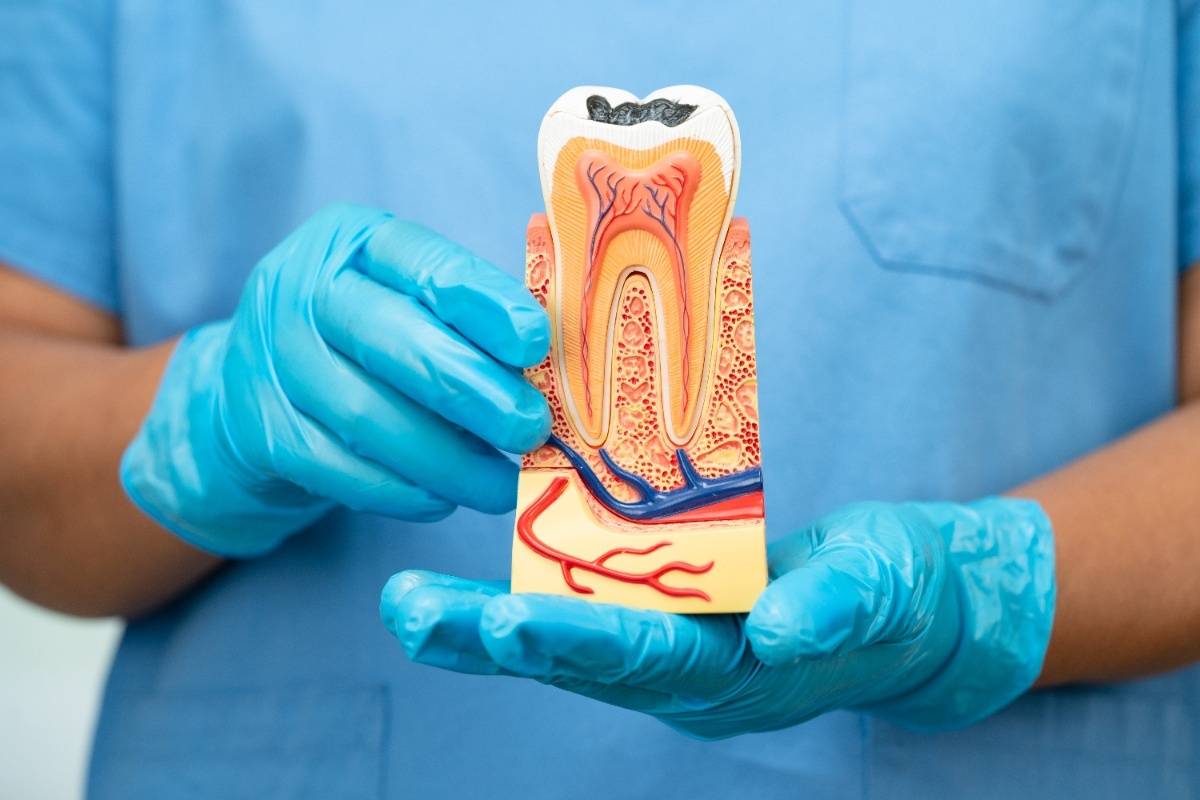
Have you ever wondered why your dentist encourages routine checkups every six months—even when your teeth feel perfectly fine? The answer is simple: many dental problems develop silently. A small cavity or early gum infection may not cause pain until the damage reaches the tooth’s inner part, at which point root canal treatment may become necessary.
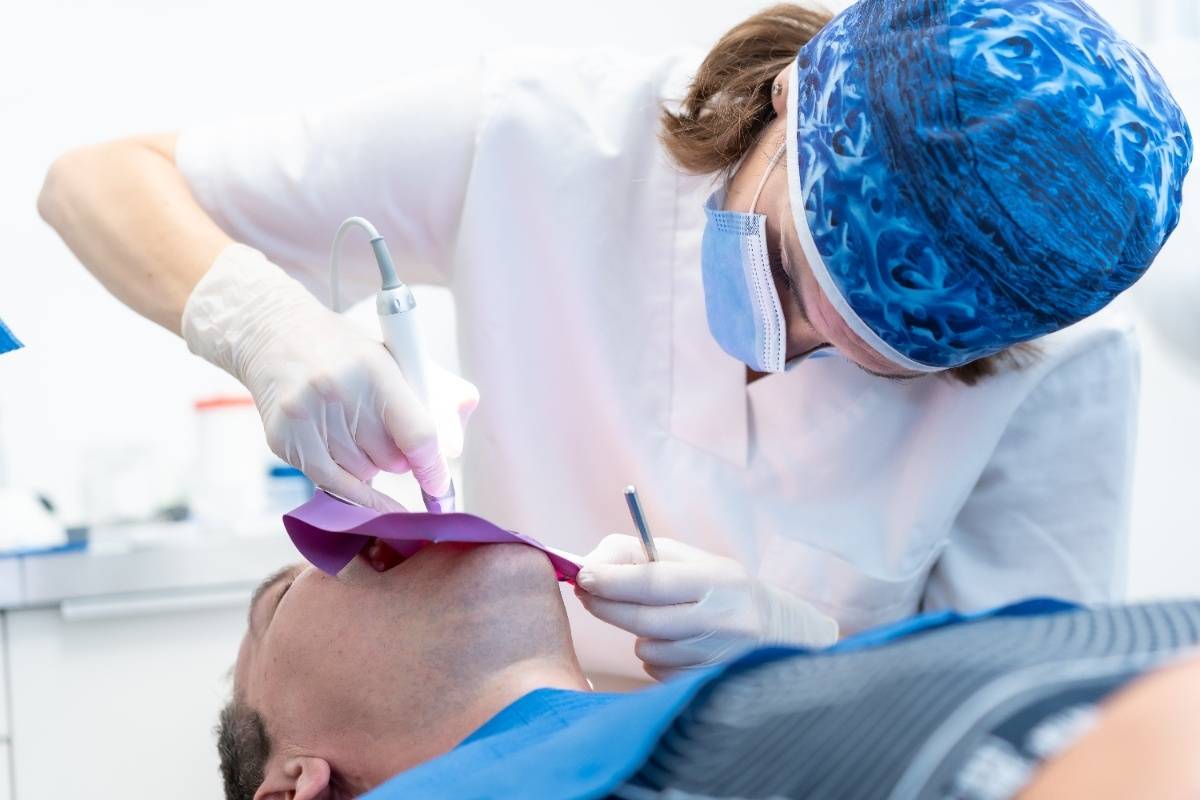
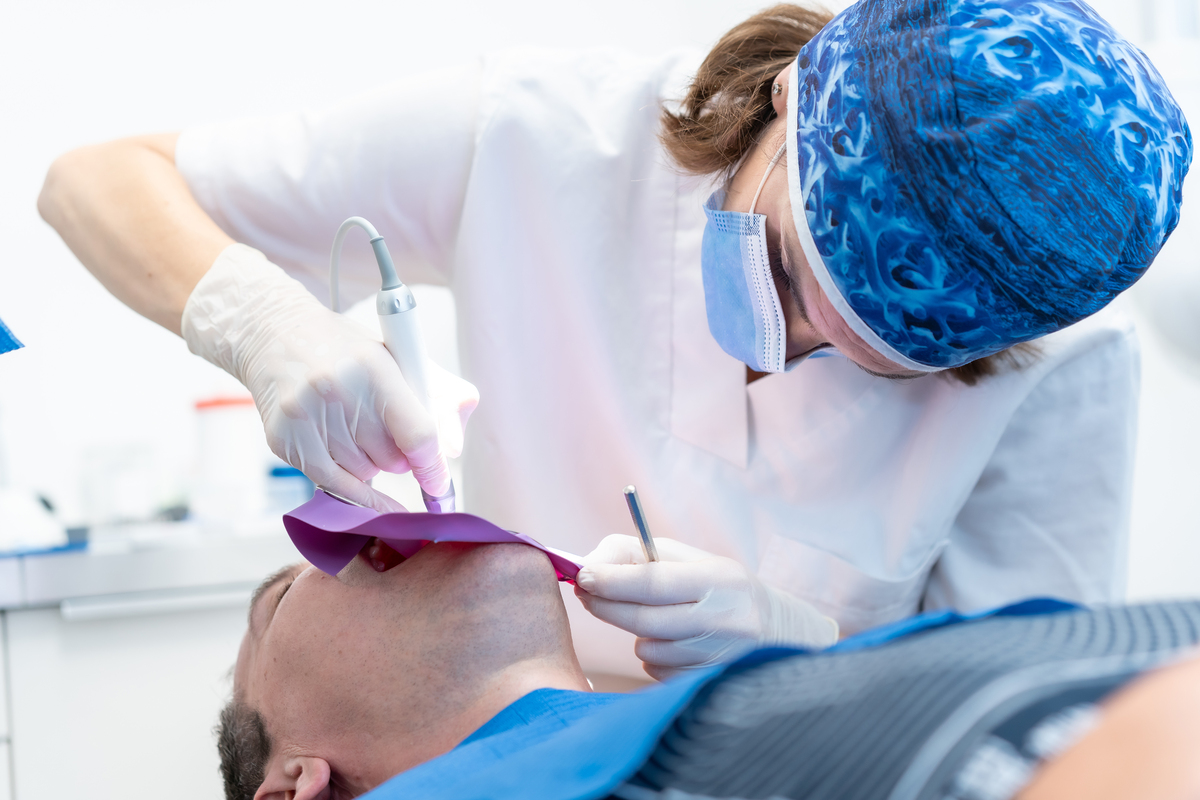
Regular dental checkups are designed to detect problems before they become painful or expensive to treat. During these visits, your dentist can identify early tooth decay, worn fillings, cracked teeth, and gum disease before bacteria reach the dental pulp.
Preventive dental care matters because tooth decay remains the most common chronic disease in the United States, even though it’s largely preventable. According to the National Institute of Dental and Craniofacial Research (NIDCR), nearly 90% of adults ages 20–64 have experienced tooth decay, and about one in five adults has untreated decay, increasing the risk of infections that may require root canal therapy.
The good news is that many conditions that lead to root canals can be identified and treated early during routine dental exams. By making preventive care part of your oral health routine, you can reduce your risk of severe tooth infections while protecting your natural smile for years to come.
How Regular Dental Checkups Help Prevent Root Canals
Early Detection of Cavities
Most cavities begin as small areas of enamel damage that cause no symptoms.
During a routine examination, your dentist can detect these early lesions before they progress deeper into the tooth. Treating a small cavity with a filling is far less invasive than waiting until the decay reaches the pulp, which would require root canal therapy in Denton.
Professional Dental Cleanings
Even with excellent brushing and flossing habits, plaque can harden into tartar in hard-to-reach areas.
Professional cleanings help remove plaque and tartar, reducing the bacteria that contribute to tooth decay and gum disease.
Digital X-Rays Reveal Hidden Problems
Not all dental issues show up during a routine exam.
When clinically indicated, digital X-rays help detect:
- Cavities between teeth
- Decay beneath existing fillings
- Early bone loss
- Cracked teeth
- Changes around tooth roots
Finding these problems early allows treatment before the pulp becomes involved.
Monitoring Existing Restorations
Fillings and crowns do not last forever.
During checkups, your dentist evaluates existing restorations for signs of:
- Wear
- Leakage
- Cracks
- Recurrent decay
Promptly repairing or replacing a damaged restoration can help prevent bacteria from reaching the inner tooth.
Gum Disease and Its Impact on Tooth Health
Many people associate root canals only with cavities, but advanced gum disease can also threaten your teeth’s health. As periodontal disease progresses, bacteria can damage the gums and supporting bone, creating deep pockets where harmful bacteria thrive.
According to the Centers for Disease Control and Prevention (CDC), about 42% of adults aged 30 years and older have periodontitis, with approximately 8% experiencing severe disease. Routine dental exams and professional cleanings help identify gum disease early, reducing the risk of complications that can affect the tooth’s supporting structures.
During regular checkups, your dentist evaluates:
- Gum health
- Pocket depth around teeth
- Signs of bleeding or inflammation
- Bone support
- Plaque and tartar buildup
Early periodontal treatment helps preserve both your gums and your natural teeth.
Detecting Cracked Teeth Before They Become Serious
Small cracks are often difficult to see and may not cause immediate symptoms. However, bacteria can enter these tiny openings and gradually reach the dental pulp.
Routine dental examinations allow your dentist to identify:
- Hairline fractures
- Worn enamel
- Damaged fillings
- Teeth weakened by grinding (bruxism)
- Bite-related stress
Treating these issues early with bonding, crowns, or other restorative procedures may help prevent pulp damage and reduce the need for root canal treatment.
Oral Hygiene Habits That Support Preventive Care
Dental checkups are only one part of protecting your teeth. Daily home care plays an equally important role.
- Brush Twice Each Day: Use fluoride toothpaste and brush for at least two minutes to remove plaque and food debris.
- Clean Between Your Teeth Daily: Floss or use other interdental cleaning devices to remove plaque from areas your toothbrush cannot reach.
- Limit Sugary Foods and Drinks: Frequent sugar exposure feeds cavity-causing bacteria, increasing your risk of tooth decay.
- Drink Plenty of Water: Water helps rinse away food particles and supports saliva production, which naturally protects teeth from acid attacks.
- Replace Your Toothbrush Regularly: A worn toothbrush removes plaque less effectively. Replace it about every three to four months, or sooner if the bristles fray.
Who May Be at Higher Risk of Needing a Root Canal?
Certain individuals are at higher risk of developing deep tooth infections.
Risk factors include:
- Poor oral hygiene
- Frequent consumption of sugary foods or beverages
- Untreated cavities
- Previous large dental fillings
- Cracked or fractured teeth
- Teeth grinding (bruxism)
- Dry mouth (xerostomia)
- Tobacco use
- Irregular dental visits
If you have one or more of these risk factors, your dentist may recommend more frequent examinations to monitor your oral health.
How Often Should You Schedule Dental Checkups?
The American Dental Association (ADA) recommends basing dental visit frequency on each patient’s oral health needs.
For many people, dental examinations and professional cleanings every six months provide an effective preventive care schedule. However, patients with gum disease, a history of frequent cavities, or other risk factors may benefit from more frequent visits.
Your dentist will recommend a schedule based on your oral health.
Additional Benefits of Routine Dental Visits
Preventive appointments do more than reduce the risk of needing a root canal.
Regular dental care also helps:
- Detect oral cancer during routine screenings
- Identify worn or damaged restorations
- Monitor bite changes
- Evaluate jaw health
- Remove plaque and tartar
- Reduce the risk of tooth loss
- Support fresh breath and healthy gums
- Promote overall health through better oral hygiene
Preventive dentistry is often more comfortable, less invasive, and more cost-effective than treating advanced dental disease.
Tips to Help Prevent Root Canals
You can lower your risk of needing root canal treatment by following these preventive measures:
- Schedule routine dental checkups and cleanings.
- Brush twice daily with fluoride toothpaste.
- Floss every day.
- Limit sugary snacks and beverages.
- Wear a mouthguard during contact sports.
- Use a nightguard if you grind your teeth.
- Seek treatment promptly for cavities, cracked teeth, or dental pain.
- Maintain a healthy, balanced diet.
Consistent preventive care helps protect your teeth’s inner tissues and supports long-term oral health.
Conclusion
Preventing the need for a root canal often starts with simple, consistent dental care. Regular examinations give your dental team an opportunity to spot cavities, cracks, worn fillings, gum problems, and other concerns while they are still easier to manage.
Daily brushing and flossing are important, but they work best alongside professional dental care. Regular checkups and early treatment can help protect your natural teeth and reduce the chance of more extensive treatment later.
At Denton Smiles Dentistry, Dr. Tony Nguyen and the dental team can help you stay ahead of potential oral health problems with personalized preventive care. If you are due for a checkup, schedule an appointment and take an important step toward maintaining your natural smile. Visit our dental practice in Denton for comprehensive dental care.
Frequently Asked Questions
1. How can a dental checkup help me avoid a root canal?
A routine exam can detect tooth decay, cracks, or other dental problems before they advance. Treating these issues early may help prevent damage to the tooth’s inner pulp.
2. When should I schedule my next dental checkup?
The right timing depends on your individual oral health. Many patients have checkups about twice a year, while people with certain dental concerns may need more frequent visits.
3. What symptoms could mean that I need root canal treatment?
Ongoing tooth pain, lingering sensitivity to hot or cold foods, discomfort when chewing, swelling, or changes in tooth color can signal a need for root canal treatment. Only a dental evaluation can identify the underlying problem.
4. Can treating a cavity early help protect my tooth?
Yes. Early treatment can stop decay from advancing deeper into the tooth. Leaving a cavity untreated may let bacteria reach the pulp and require more complex treatment.
5. Why do I need professional cleanings if I brush and floss regularly?
Brushing and flossing remove daily plaque, while professional cleanings remove tartar that has hardened on your teeth. Dental visits also give your care team a chance to spot concerns you may not notice at home.