940-380-1188

Can A Root Canal Save An Infected Tooth?
Have you been told that you need a root canal? If so, you may be wondering whether the procedure can actually save your tooth—or if extraction is the only option.
It’s a common concern. Many people associate severe tooth pain or infection with tooth loss. However, modern dentistry has enabled the preservation of millions of infected teeth each year through root canal treatment.
In fact, according to the American Association of Endodontists (AAE), more than 15 million root canal procedures are performed annually in the United States, helping patients keep their natural teeth and avoid more extensive dental treatment.
When an infection reaches the inner pulp of a tooth, prompt treatment becomes critical. Left untreated, the infection can spread to surrounding tissues, damage the jawbone, and eventually lead to tooth loss. A root canal is often the most effective way to stop the infection while preserving the structure and function of the tooth.
In this article, we’ll explore how root canal treatment works, when it can save an infected tooth, the success rates of modern endodontic care, and why early treatment is essential for protecting your oral health.
What Is An Infected Tooth?
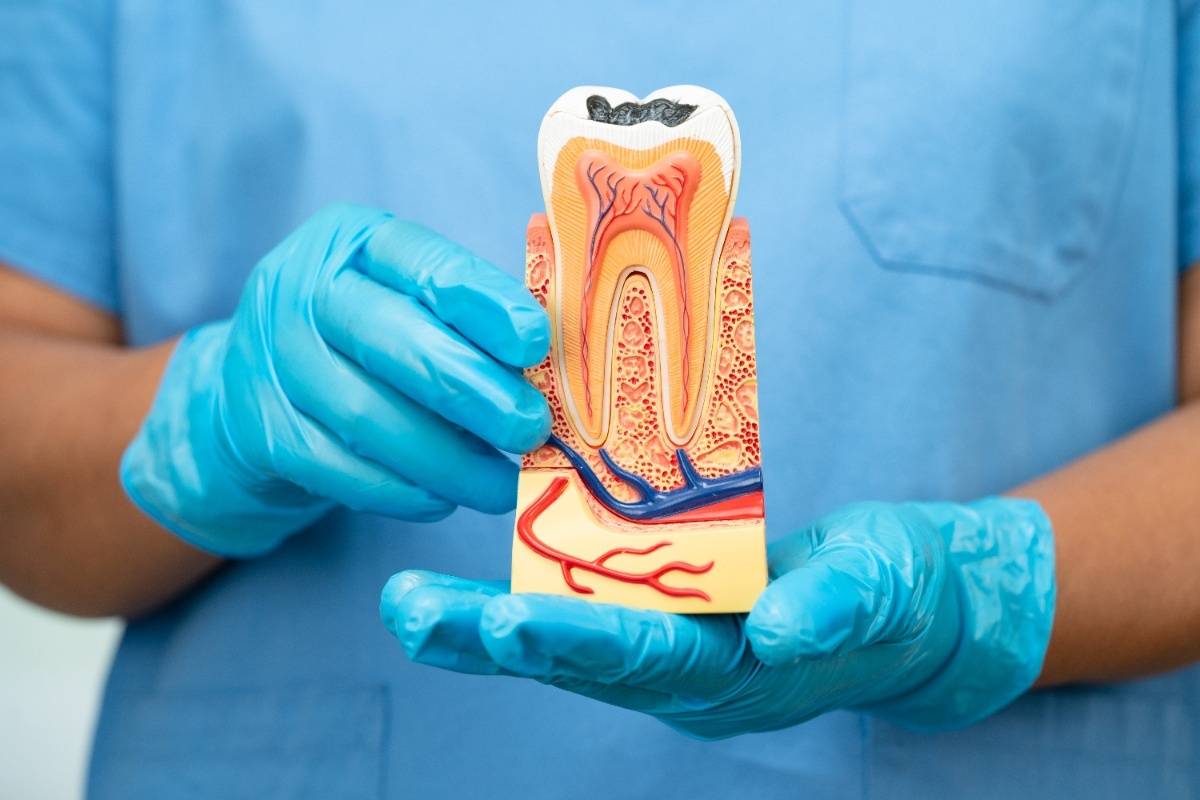
Inside every tooth is a soft tissue called the pulp.
The pulp contains:
- Blood vessels
- Connective tissue
- Nerves
When bacteria enter the pulp through:
- Deep decay
- Cracks
- Fractures
- Trauma
- Repeated dental procedures
an infection can develop.
Once bacteria reach the pulp chamber, the infection usually does not heal on its own.
Without treatment, the pulp tissue can die, allowing infection to spread deeper into the tooth and surrounding bone.
Common Signs of an Infected Tooth
Symptoms may vary depending on the severity of the infection.
Common warning signs include:
Persistent Tooth Pain
Pain may occur:
- Constantly
- Intermittently
- During chewing
- Without obvious triggers
Sensitivity to Hot and Cold
Lingering sensitivity often indicates pulp inflammation.
- Swollen Gums: Localized swelling near a tooth can signal infection.
- Tooth Discoloration: A darkened tooth may indicate nerve damage.
- Bad Taste or Drainage: An abscess can produce an unpleasant taste or discharge.
- Facial Swelling: More advanced infections may cause swelling of the face or jaw.
If you experience these symptoms, seeking prompt dental care is important.
Can A Root Canal Actually Save An Infected Tooth?
Root canal therapy is specifically designed to save teeth that would otherwise require extraction.
The procedure removes the source of infection while maintaining the tooth’s outer structure.
Once treated and restored, the tooth can often function normally for many years.
The American Association of Endodontists reports that root canal treatment has a success rate exceeding 95% in many cases, making it one of the most predictable procedures in dentistry.
Why Saving a Natural Tooth Matters
Whenever possible, preserving a natural tooth is generally preferred over extraction.
Natural teeth provide:
- Better Chewing Efficiency: Your natural tooth works exactly as designed.
- Jawbone Preservation: When a tooth is lost, the jawbone in that area can begin shrinking.
- Research published by the National Institutes of Health shows that bone loss often begins soon after tooth extraction.
- Natural Appearance: Keeping your own tooth maintains your smile’s natural look.
Cost Savings
Replacing a missing tooth often requires:
- Dental implants
- Bridges
- Additional procedures
Saving the existing tooth may reduce long-term treatment costs.
How Does A Root Canal Eliminate Infection?
The infection is located within the pulp chamber and root canals.
During treatment, the dentist or endodontist:
- Removes Infected Tissue: The diseased pulp is carefully removed.
- Cleans the Canals: Special instruments clean and shape the root canals.
- Disinfects the Area: Antibacterial solutions help eliminate remaining bacteria.
- Seals the Tooth: A biocompatible material fills the canals to prevent reinfection.
- Restores Function: A crown is often placed to strengthen and protect the tooth.
This process removes the environment where bacteria thrive.
When Is A Root Canal Recommended?
A dentist may recommend root canal therapy if:
- Infection has reached the pulp
- Severe decay is present
- A tooth is cracked
- Trauma has damaged the nerve
- An abscess has formed
- Persistent pain develops
Diagnostic tools may include:
- Dental X-rays
- Cone beam CT imaging
- Clinical examination
- Pulp vitality testing
Early diagnosis significantly improves treatment outcomes.
What Happens If An Infected Tooth Is Not Treated?
Ignoring an infected tooth can lead to serious complications.
Potential consequences include:
- Tooth Loss: The infection may destroy supporting structures.
- Dental Abscess: A pocket of pus can form near the root.
- Bone Damage: Infection can erode the surrounding jawbone.
- Spread of Infection: In severe cases, oral infections may spread beyond the mouth.
- Increased Treatment Costs: Delaying care often results in more extensive procedures later.
According to the Centers for Disease Control and Prevention (CDC), untreated oral infections can significantly affect overall health, quality of life, and daily functioning.
Root Canal vs Tooth Extraction
Many patients wonder whether extraction is the better option.
Let’s compare both approaches.
Root Canal
Benefits include:
- Preserves natural tooth
- Maintains bite alignment
- Prevents shifting teeth
- Protects jawbone
- Restores normal chewing
Extraction
May require:
- Implant placement
- Dental bridge
- Partial denture
- Bone grafting
The American Dental Association generally supports preserving natural teeth whenever clinically appropriate.
How Successful Are Root Canals?
Modern root canal therapy has an excellent track record.
Studies published in the American Association of Endodontists (AAE) report long-term survival rates ranging from 86% to 97%, depending on the condition of the tooth and the quality of the restoration.
The AAE also notes that teeth treated with root canals can last a lifetime when properly restored and maintained.
Factors influencing success include:
- Early treatment
- Proper restoration
- Good oral hygiene
- Regular dental visits
Does a Root Canal Hurt?
One of the biggest myths surrounding root canals is that they are extremely painful.
In reality, modern techniques and local anesthesia have dramatically improved patient comfort.
Many patients report that a root canal feels similar to receiving a dental filling.
The procedure is intended to relieve pain—not create it.
Most discomfort associated with root canals comes from the infection itself rather than the treatment.
What Happens After A Root Canal?
After treatment, patients may experience mild soreness for a few days.
Common post-treatment recommendations include:
- Avoid chewing on the treated tooth initially
- Take medications as directed
- Maintain oral hygiene
- Attend follow-up appointments
A permanent crown is often recommended for molars and heavily damaged teeth.
Research shows that root canal-treated teeth restored with crowns generally have higher long-term survival rates than teeth without full coverage restorations.
How Long Does a Root Canal-Treated Tooth Last?
With proper care, many root canal-treated teeth can last decades.
Some remain functional for a lifetime.
Key factors include:
- Daily Oral Hygiene: Brush twice daily and floss regularly.
- Routine Dental Visits: Professional monitoring helps identify issues early.
- Crown Protection: Crowns protect weakened teeth from fractures.
- Avoiding Excessive Force: Patients should avoid using their teeth as tools or chewing extremely hard objects.
How Can You Prevent Tooth Infections?
While root canals are highly effective, prevention remains the best strategy.
Protect your teeth by:
- Brushing Twice Daily: Use fluoride toothpaste.
- Flossing Every Day: Flossing removes bacteria between teeth.
- Limiting Sugary Foods: Frequent sugar intake increases the risk of cavities.
- Wearing Mouthguards: Protect teeth during sports activities.
- Scheduling Regular Exams: Professional cleanings help identify problems before they become severe.
According to the CDC, preventive dental care plays a significant role in reducing the burden of tooth decay and oral disease in the United States.
When Should You Seek Immediate Care?
Contact a dentist promptly if you experience:
- Severe tooth pain
- Facial swelling
- Gum abscess
- Fever with dental pain
- Difficulty chewing
- Persistent sensitivity
Early intervention can often mean the difference between saving and losing a tooth.
Conclusion
So, can a root canal save an infected tooth? In many cases, absolutely. Root canal therapy is specifically designed to remove infection, eliminate pain, and preserve the natural tooth structure. With success rates frequently exceeding 90%, modern root canal treatment remains one of the most reliable methods for saving teeth that might otherwise require extraction.
The key is timely treatment. The longer an infection remains untreated, the greater the risk of complications such as bone loss, abscess formation, and eventual tooth loss. By seeking professional dental care early, patients can often avoid more complex procedures and maintain a healthy, functional smile for years to come.
If you’re experiencing signs of an infected tooth, scheduling a dental evaluation as soon as possible can help determine whether a root canal is the right solution for protecting your oral health.
Frequently Asked Questions
1. Can a root canal completely remove a tooth infection?
Yes. A root canal removes infected pulp tissue, cleans the root canals, and seals the tooth to eliminate the source of infection.
2. Is it better to save a tooth with a root canal or extract it?
When possible, saving a natural tooth is generally preferred because it preserves chewing function, jawbone health, and alignment.
3. How successful are root canal treatments?
Studies show success rates often range from 86% to 97%, and many treated teeth last for decades.
4. How do I know if my tooth infection requires a root canal?
Persistent pain, swelling, sensitivity, discoloration, or an abscess may indicate the need for root canal therapy. A dental examination is required for diagnosis.
5. Can an infected tooth heal without a root canal?
Once infection reaches the pulp, it typically does not heal on its own. Professional treatment is usually necessary to prevent worsening complications.