940-298-8467
Can You Get Dental Implants in One Day?
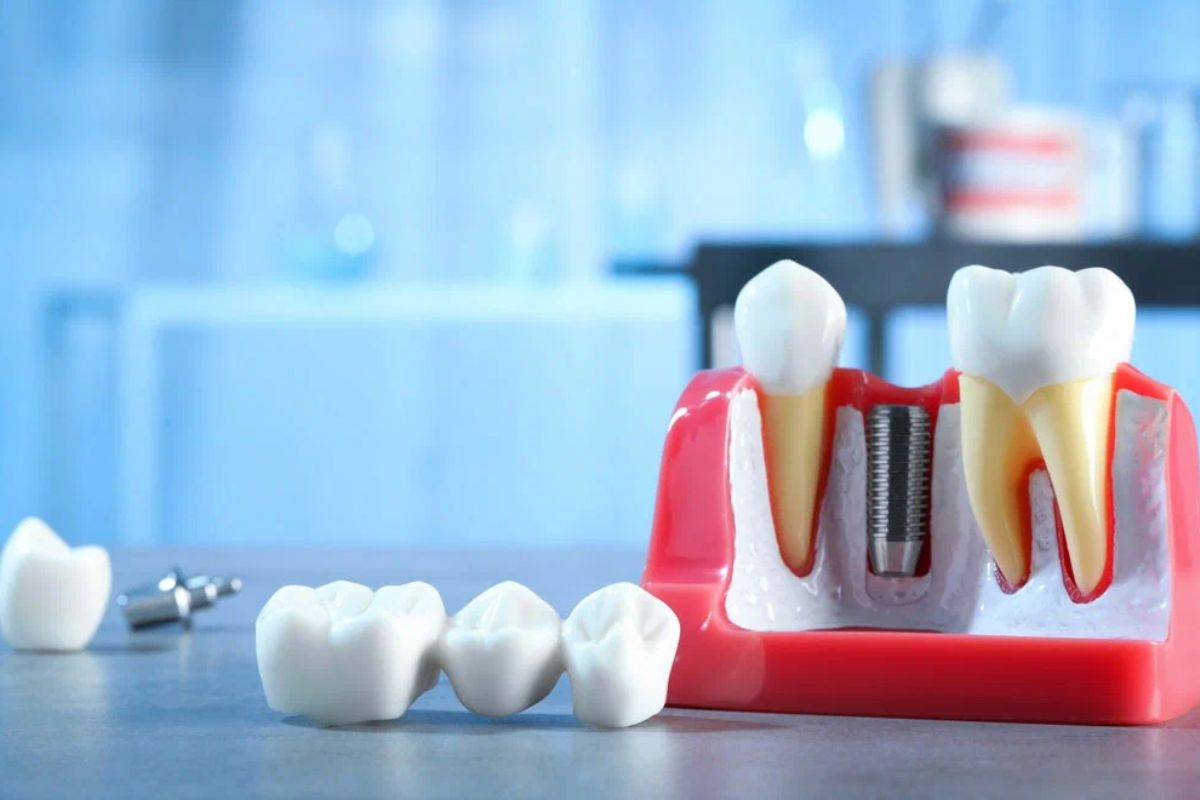
Imagine walking into a dental office with a missing tooth and leaving the same day with a brand-new, functional implant. Sounds like something out of a dental fantasy, right? Well, the world of dentistry is constantly evolving, and the concept of “one-day dental implants” is gaining traction. But is it truly a viable option for everyone? And what exactly does it entail?
If you’re in the United States and considering replacing a missing tooth quickly, you’ve likely stumbled upon this intriguing possibility. Let’s unpack the facts, figures, and realities behind getting dental implants in a single day.
What Exactly Are “One-Day” Dental Implants?
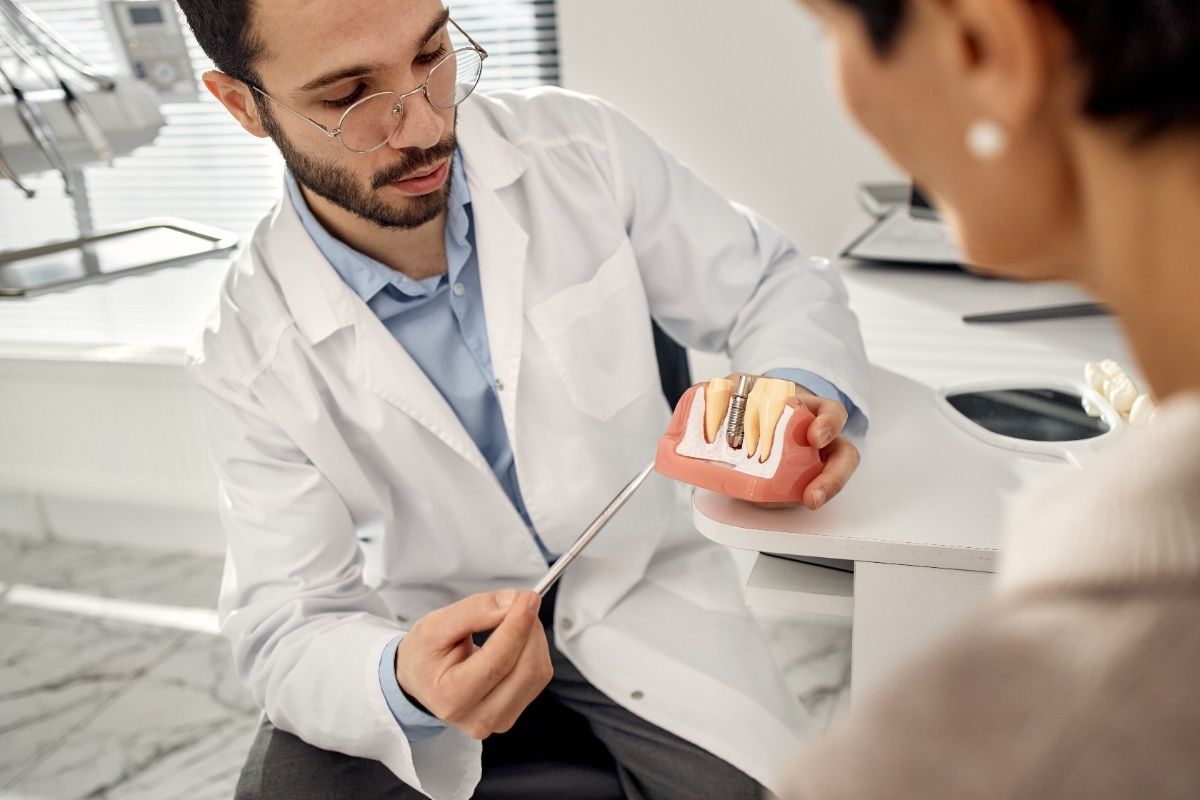
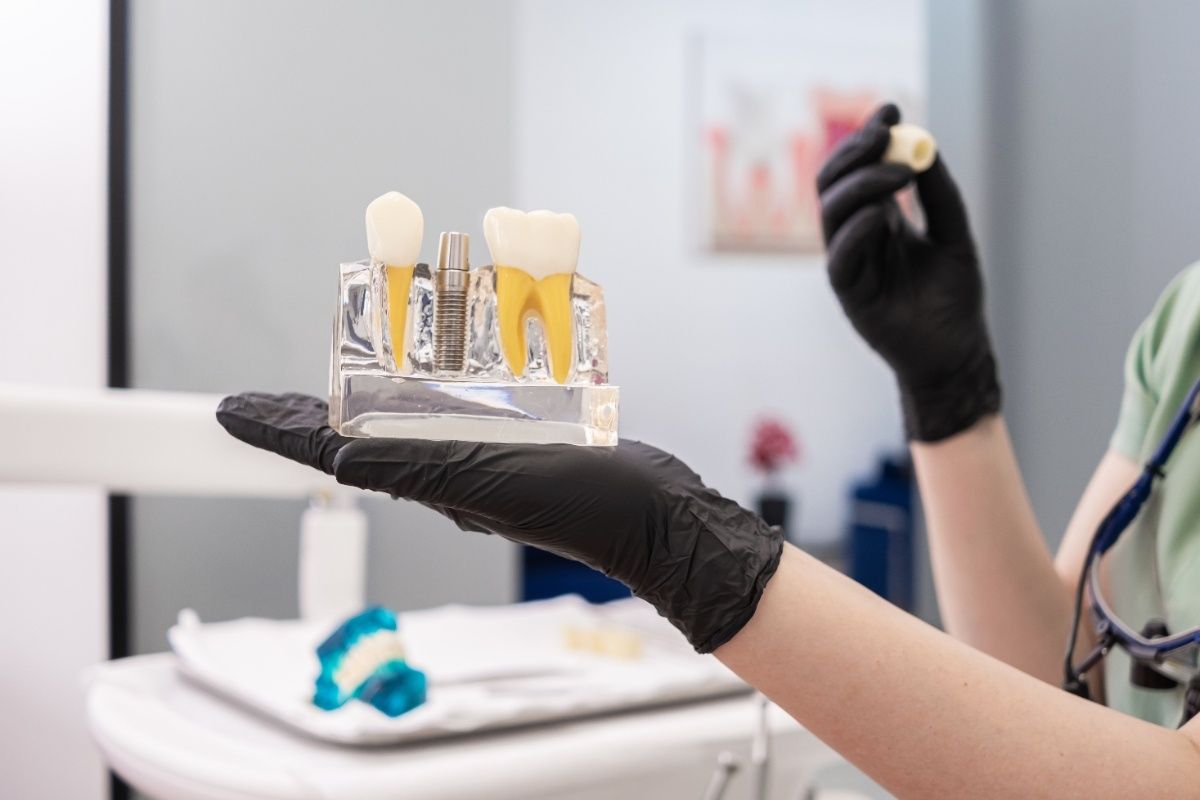
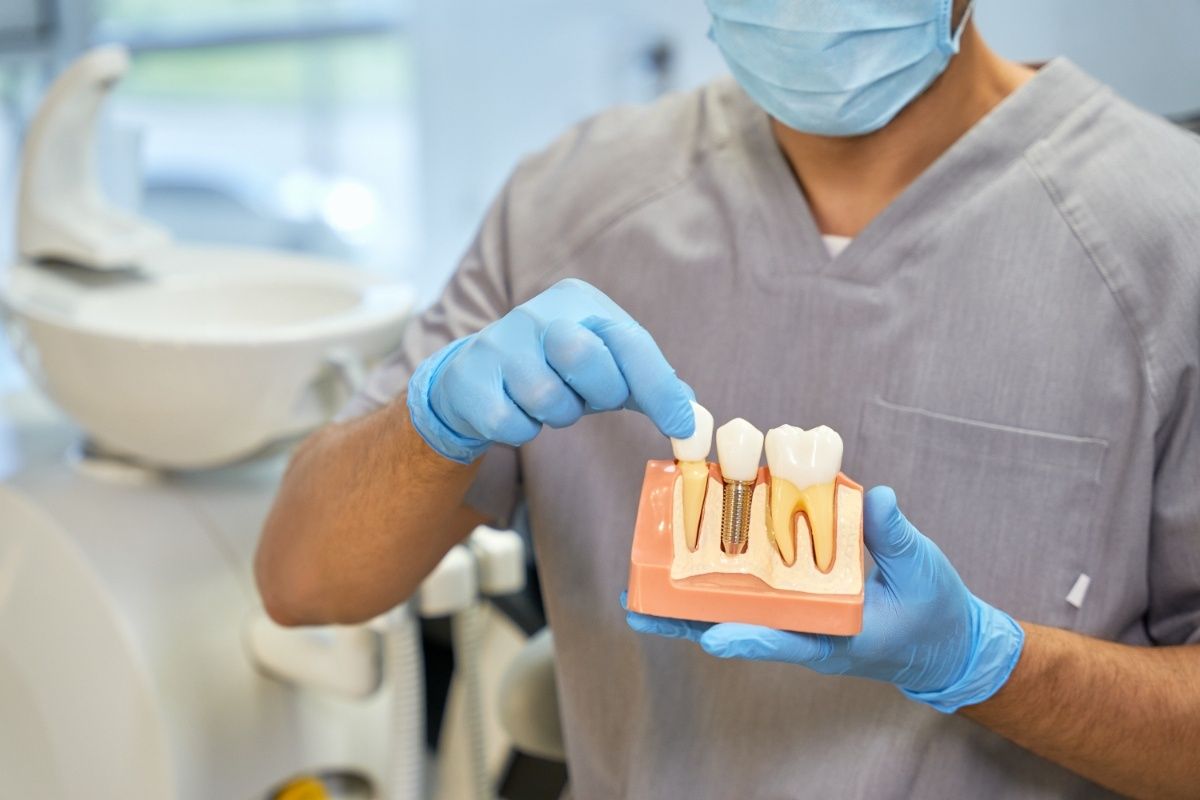
The term “one-day dental implants” can be a bit misleading. It doesn’t always mean the entire implant process, from initial consultation to final crown placement. Instead, it typically refers to a procedure where the dental implants (the titanium post that fuses with your jawbone) are placed, and a temporary crown or abutment is attached on the same day.
Think of it this way: traditionally, after the implant placement surgery, patients would wait several months (typically 3-6) for osseointegration – the crucial process where the bone fuses with the implant. Only then would the permanent crown be attached. One-day implants aim to significantly shorten this timeframe for the visible part of the tooth.
The Numbers Game: How Common Are They?
While comprehensive statistics specifically on “one-day implants” are still evolving, data on the broader dental implant market in the U.S. gives us some context. According to the American Academy of Implant Dentistry (AAID), over 3 million dental implants are placed each year in the United States. This number reflects the growing popularity of implants as a long-term tooth replacement solution.
However, it’s important to note that not all these placements are “one-day” procedures. The suitability for immediate loading (attaching a temporary crown on the same day) depends heavily on individual patient factors.
Who is a Good Candidate for Immediate Loading?
Several factors determine if you’re a candidate for a one-day implant procedure. These include:
- Sufficient Bone Density and Volume: This is crucial for the implant to be stable immediately. Your dentist will likely use cone-beam computed tomography (CBCT) scans to assess your bone structure. Studies have shown that implants placed in sites with adequate bone volume have a higher success rate (around 95% over 5-10 years), regardless of the loading time. However, immediate loading requires a particularly strong foundation.
- Good Overall Health: Just like with traditional implants, your general health plays a significant role in healing and implant success. Conditions like uncontrolled diabetes or certain autoimmune diseases can affect osseointegration.
- Strategic Implant Placement: The location and angle of the implant are critical for immediate loading. Certain areas of the mouth that experience less immediate stress are often better candidates.
- Non-Smoker: Smoking significantly hinders the healing process and increases the risk of implant failure. Studies indicate that the failure rate of dental implants is significantly higher in smokers (up to 11%) compared to non-smokers (around 1-2%).
- Commitment to Post-Operative Care: Following your dentist’s instructions meticulously is crucial for the success of any implant, but especially for immediately loaded ones, as they require careful management during the initial healing phase.
The Pros and Cons of One-Day Implants
Pros:
- Faster Aesthetics: The most significant advantage is the immediate improvement in your smile and confidence. You don’t have to go through a period of having a visible gap.
- Improved Function (Sometimes): While it’s usually a temporary crown, it can still offer some level of chewing function compared to having no tooth at all.
- Reduced Number of Surgical Procedures: In some cases, it can mean fewer visits and surgical interventions.
Cons:
- Higher Risk of Failure: Immediate loading puts more stress on the implant before complete osseointegration. If the bone doesn’t fuse properly, the implant can fail.
- Not Suitable for Everyone: As mentioned earlier, strict criteria must be met to be a candidate.
- Potentially Higher Cost: The advanced technology and expertise required for immediate loading can sometimes translate to a higher initial cost.
Making the Right Choice
Deciding whether a one-day dental implant is right for you requires a thorough consultation with a qualified dentist in Denton. They will assess your individual needs, bone structure, and overall health to determine the most suitable treatment plan. Don’t hesitate to ask questions about the risks, benefits, and long-term success rates.
Conclusion
While the allure of a complete smile in a single day is strong, “one-day dental implants” are not a universal solution. They can be a fantastic option for carefully selected individuals with the right conditions. However, prioritizing long-term success and osseointegration remains paramount. By understanding the facts and having an open discussion with your dentist, you can make an informed decision that leads to a healthy and confident smile for years to come.