940-380-1188

How Many Teeth Can One Dental Implant Support?
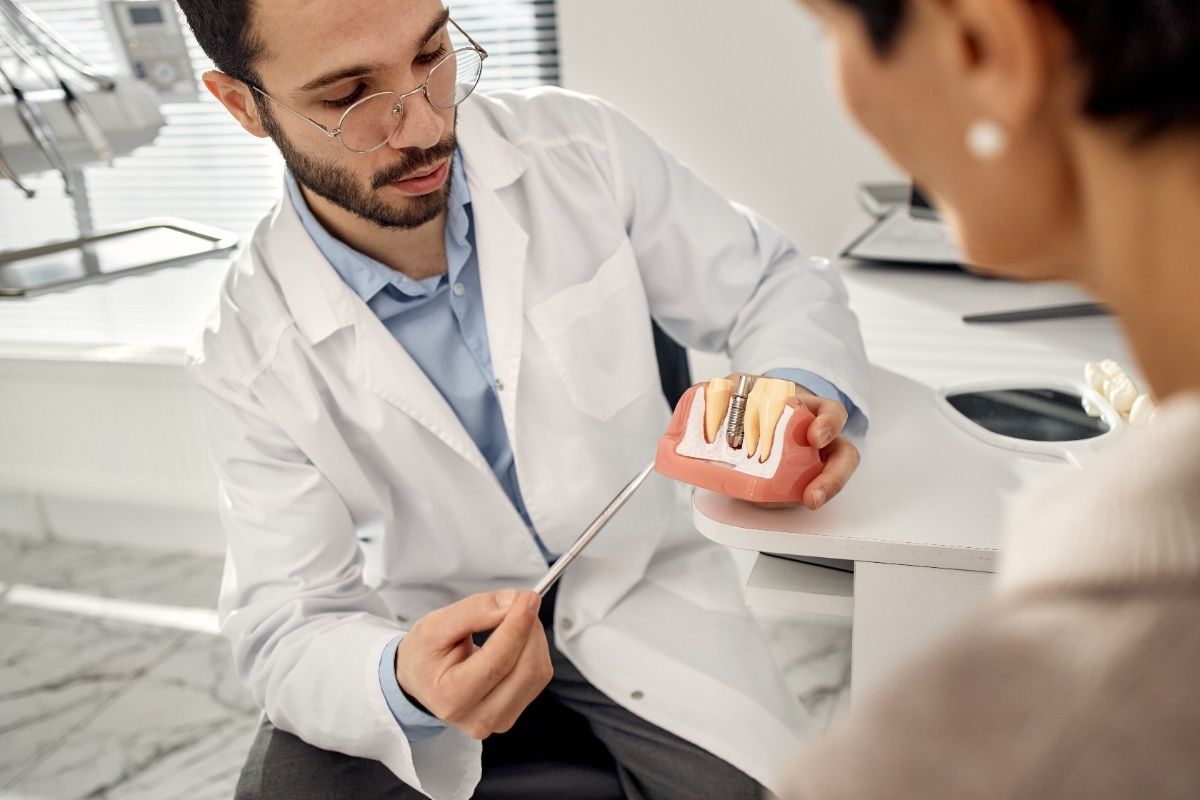
If you’re missing one or more teeth, you’ve probably wondered whether every missing tooth requires its own dental implant. It’s one of the most common questions patients ask during an implant consultation: “Can one dental implant support more than one tooth?”
The answer depends on several factors, including where the missing teeth are located, how many teeth are missing, the quality of your jawbone, and your overall oral health. In many cases, a single dental implant replaces one tooth, but under the right circumstances, one implant can also help support multiple teeth as part of an implant-supported bridge. This approach can restore your smile while reducing the number of implants needed.
Dental implants have become the gold standard for replacing missing teeth because they restore both the visible tooth and its root. Unlike traditional bridges or removable dentures, implants integrate with the jawbone through a process called osseointegration, helping preserve bone, maintain facial structure, and provide exceptional stability.
According to the American Academy of Implant Dentistry (AAID), more than 3 million Americans currently have dental implants, and approximately 500,000 implant procedures are performed each year in the United States. Clinical research published in leading dental journals consistently reports long-term success rates above 95% for properly planned and maintained dental implants.
Whether you’ve lost one tooth, several adjacent teeth, or an entire arch, understanding how implants are used can help you choose the most effective long-term solution. In this guide, we’ll explain how many teeth one implant can support, when implant-supported bridges are recommended, what factors determine treatment, and why dental implants remain one of the most predictable options in modern dentistry.
Understanding Dental Implants
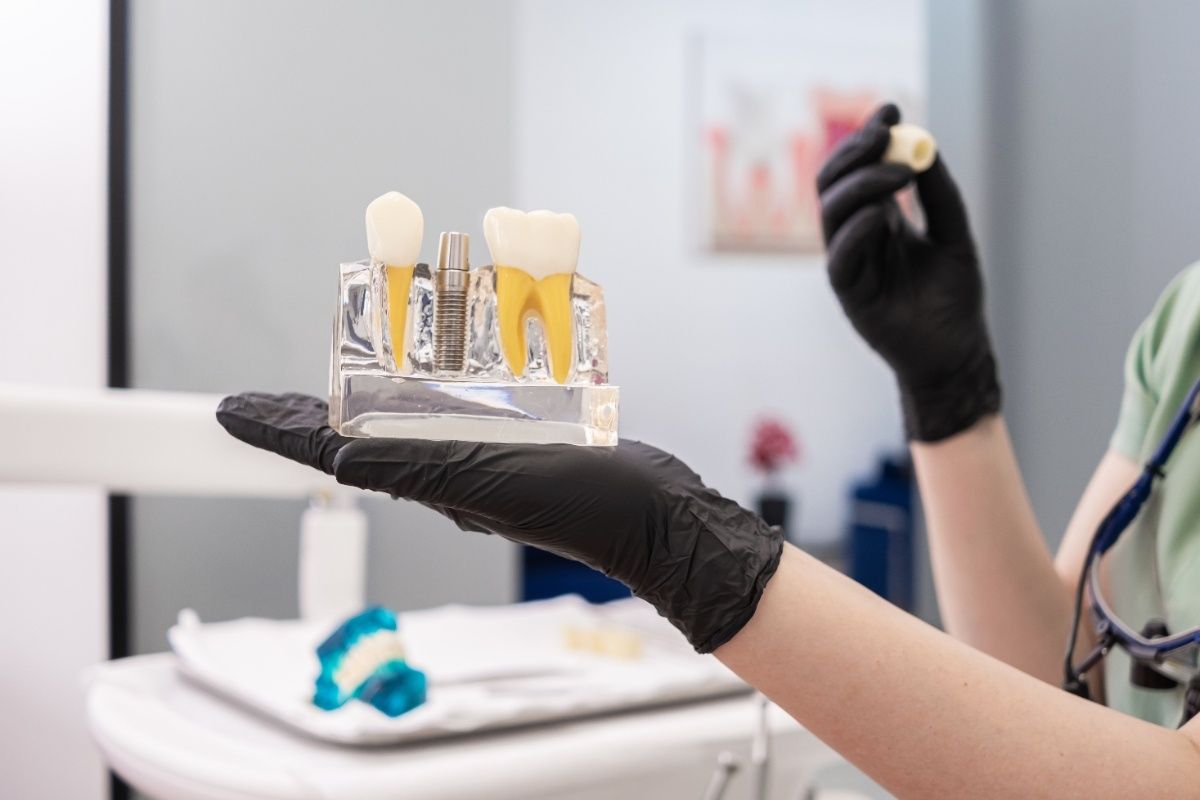
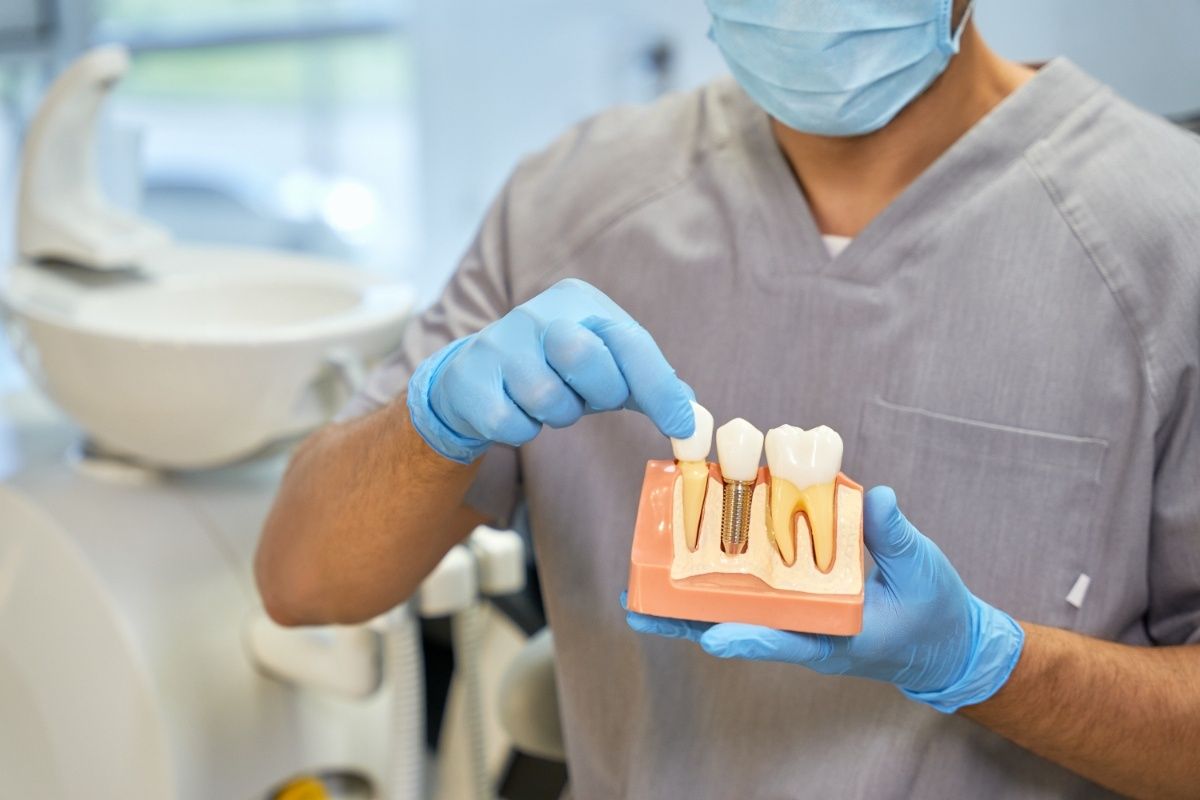
A dental implant in Denton is a small titanium or zirconia post that replaces the root of a missing tooth.
A complete implant restoration includes:
- Implant fixture – Surgically placed into the jawbone.
- Abutment – Connects the implant to the restoration.
- Dental crown or bridge – Replaces the visible tooth or teeth.
Once the implant fuses with the jawbone, it provides a stable foundation for chewing, speaking, and smiling.
How Many Teeth Can One Dental Implant Support?
The answer depends on your individual situation.
One Missing Tooth
In most cases:
- One implant supports one dental crown.
This is the standard treatment for replacing a single missing tooth without affecting neighboring healthy teeth.
Two Missing Teeth
If two adjacent teeth are missing, your dentist may recommend:
- Two separate implants
or - One implant supporting a two-tooth cantilever restoration in carefully selected cases.
However, two implants generally provide better force distribution and long-term stability.
Three Missing Teeth
When three neighboring teeth are missing, it is often possible to replace them with:
- Two dental implants supporting a three-unit implant bridge.
This approach avoids placing an implant for every missing tooth while maintaining excellent support.
Four or More Missing Teeth
For larger spaces, implant-supported bridges may replace multiple teeth.
The number of implants required depends on:
- Bite forces
- Bone quality
- Implant location
- Overall treatment design
Full Arch Replacement
Patients missing all teeth in one arch may qualify for:
- All-on-4®
- All-on-6
- Implant-supported dentures
These systems use several strategically placed implants to support an entire row of replacement teeth.
Dental Implant Statistics
Dental implants remain one of the fastest-growing restorative treatments in the United States.
Key statistics include:
- More than 3 million Americans currently have dental implants, according to the American Academy of Implant Dentistry (AAID).
- Approximately 500,000 implants are placed annually in the U.S.
- Long-term studies report success rates exceeding 95% for healthy patients with proper maintenance.
- According to the Centers for Disease Control and Prevention (CDC), nearly 1 in 6 adults aged 65 years and older has lost all of their natural teeth, emphasizing the importance of tooth replacement options.
- Research published in the Journal of Clinical Periodontology demonstrates that implant-supported restorations significantly improve chewing efficiency, oral function, and patient satisfaction.
Why Doesn’t Every Tooth Need Its Own Implant?
Dental implants are extremely strong.
Like bridge supports, implants can distribute chewing forces across connected replacement teeth.
When designed correctly, implant-supported bridges provide:
- Excellent stability
- Natural appearance
- Improved chewing
- Bone preservation
Treatment planning ensures the implants can safely withstand normal bite forces.
Factors That Determine How Many Teeth One Implant Can Support
1. Location in the Mouth
Front teeth experience different bite forces than molars.
Back teeth endure significantly higher chewing pressure.
For this reason:
- Molars often require additional implant support.
- Front teeth may sometimes be restored with fewer implants when appropriate.
2. Jawbone Quality
Adequate bone volume is essential.
Patients with bone loss may require:
- Bone grafting
- Additional implants
- Modified treatment plans
Healthy bone improves long-term implant success.
3. Bite Forces
Patients who grind or clench their teeth place greater stress on implants.
Your dentist may recommend:
- Additional implants
- Nightguards
- Reinforced restorations
4. Overall Oral Health
Healthy gums and good oral hygiene are essential.
Conditions such as untreated gum disease should be managed before implant placement.
Implant-Supported Bridges
Implant-supported bridges replace multiple adjacent missing teeth without placing an implant beneath every replacement tooth.
Benefits include:
- Fewer implants
- Reduced surgery
- Excellent stability
- Bone preservation
- Natural appearance
Unlike traditional bridges, implant-supported bridges do not require reshaping healthy neighboring teeth.
Benefits of Dental Implants
Dental implants offer numerous advantages compared with other tooth replacement options.
These include:
- Natural appearance
- Stable chewing
- Improved speech
- Jawbone preservation
- Long-lasting results
- Better comfort than removable dentures
- Protection against neighboring tooth movement
Because implants replace the tooth root, they also help reduce bone loss after tooth extraction.
Dental Implants vs. Traditional Bridges
| Feature | Dental Implant | Traditional Bridge |
| Replaces tooth root | Yes | No |
| Preserves jawbone | Yes | No |
| Requires trimming healthy teeth | No | Yes |
| Long-term durability | Excellent | Good |
| Supports natural chewing | Excellent | Good |
For many patients, implants provide greater long-term benefits while preserving healthy tooth structure.
Can One Implant Support a Molar?
Usually, one implant can support one molar crown.
Because molars experience the highest chewing forces, dentists carefully evaluate:
- Implant diameter
- Bone quality
- Bite alignment
In some situations, dentists may recommend wider-diameter implants for added stability.
What Happens During Dental Implant Treatment?
Treatment typically includes:
- Comprehensive examination and digital imaging.
- Treatment planning.
- Implant placement.
- Healing and osseointegration (typically three to six months).
- Placement of the abutment.
- Delivery of the custom crown or bridge.
Advances in digital dentistry have made implant treatment more precise and predictable than ever before.
How Long Do Implant-Supported Teeth Last?
With proper care:
- Implant fixtures often last decades.
- Many implants remain functional for a lifetime.
- Crowns and bridges may eventually need replacement due to normal wear.
Maintaining good oral hygiene and attending routine dental visits are key to long-term success.
Caring for Implant-Supported Teeth
Daily care includes:
- Brushing twice daily with fluoride toothpaste.
- Flossing or using interdental brushes.
- Professional cleanings.
- Avoiding tobacco products.
- Wearing a nightguard if recommended.
Healthy gums contribute significantly to implant longevity.
Who Is a Candidate for Implant-Supported Bridges?
You may be a candidate if you:
- Have multiple adjacent missing teeth.
- Have healthy gums.
- Have sufficient jawbone or qualify for bone grafting.
- Maintain good oral hygiene.
- Are in generally good health.
A comprehensive examination determines the most appropriate treatment option.
Common Myths About Dental Implants
Myth 1: Every Missing Tooth Requires Its Own Implant
Fact: Implant-supported bridges often replace several teeth using fewer implants.
Myth 2: Dental Implants Look Artificial
Fact: Modern implant restorations are customized to match the color, shape, and size of surrounding teeth for a natural appearance.
Myth 3: Implants Require Special Maintenance
Fact: Care for dental implants is much like caring for natural teeth, with daily brushing, flossing, and routine dental visits.
When Should You See an Implant Dentist?
Schedule an implant consultation if you:
- Have one or more missing teeth.
- Wear an uncomfortable denture.
- Have difficulty chewing.
- Want a fixed alternative to removable appliances.
- Are considering tooth replacement options.
Early evaluation allows your trusted local Denton dentist to assess bone health and discuss the best treatment plan.
Conclusion
One dental implant can support different numbers of teeth depending on the clinical situation. While a single implant typically replaces one missing tooth, implant-supported bridges can restore multiple adjacent teeth with fewer implants when conditions are favorable. Factors such as the location of the missing teeth, jawbone quality, bite forces, and overall oral health all influence the ideal treatment plan.
Dental implants remain one of the most reliable and long-lasting solutions for replacing missing teeth because they restore function, preserve jawbone health, and provide a natural-looking smile. If you’re considering replacing one tooth or several, schedule a consultation with an experienced implant dentist. A personalized evaluation will determine whether a single implant, multiple implants, or an implant-supported bridge is the most effective option for your long-term oral health.
Frequently Asked Questions
1. Can one dental implant replace two teeth?
In selected cases, one implant may help support two adjacent replacement teeth, but this depends on the location, bite forces, and bone quality. Many patients benefit from two implants for better support.
2. How many implants are needed to replace three missing teeth?
Three adjacent missing teeth are often replaced with an implant-supported bridge anchored by two dental implants, although treatment varies by patient.
3. Can one implant support an entire bridge?
Yes. In specific situations, a single implant may support a small cantilever restoration. Larger bridges generally require two or more implants to distribute chewing forces safely.
4. Are implant-supported bridges better than traditional bridges?
Implant-supported bridges preserve jawbone, do not require trimming healthy neighboring teeth, and often provide greater long-term stability than conventional bridges.
5. How long do implant-supported restorations last?
With proper oral hygiene, regular dental visits, and good overall health, implant fixtures can last for decades. Crowns or bridges may need replacement over time because of normal wear.