940-380-1188

Can You Get A Dental Implant After A Root Canal?
Have you ever sat in a dental chair, looking at an X-ray of a tooth that has already had a root canal, only to hear your dentist say, “I’m sorry, but we might need to consider an alternative”?
It feels like a punch to the gut, doesn’t it? You’ve already invested the time, the patience, and—let’s be honest—the money into saving that tooth. You might be wondering: “Wait, if the root canal didn’t last forever, is a dental implant even an option for me now? Did I wait too long? Is my jawbone even strong enough to hold an implant?”
If these questions are swirling in your head, you are far from alone. In the United States, millions of adults navigate the bridge between endodontic treatment (root canals) and restorative implant dentistry every year. The short answer is a resounding yes—you absolutely can get a dental implant after a root canal—but the “how” and “when” involve some fascinating science and a few crucial steps.
In this guide, we’re going to dive deep into the data, the recovery timelines, and the honest reality of transitioning from a failed root canal to a permanent dental implant.
Root Canals and Implants: What They Are (and Why It Matters)
Root Canal Treatment (Endodontics)
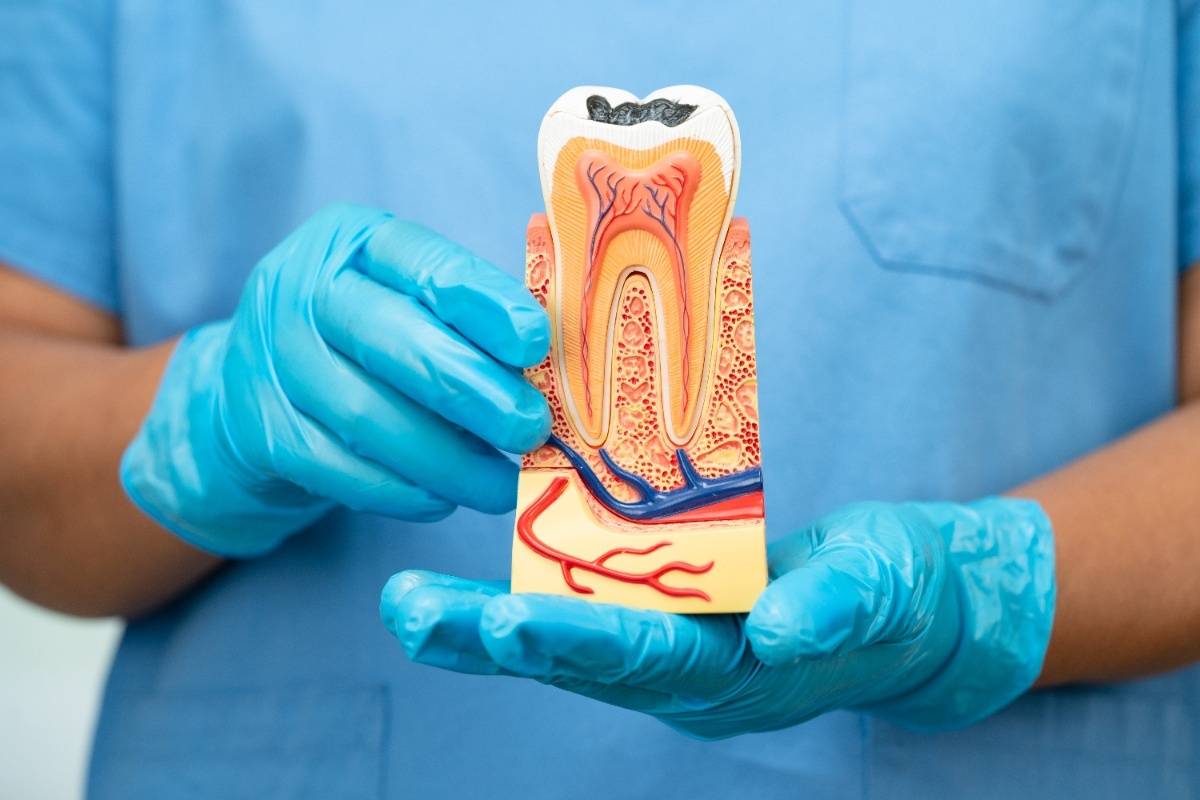
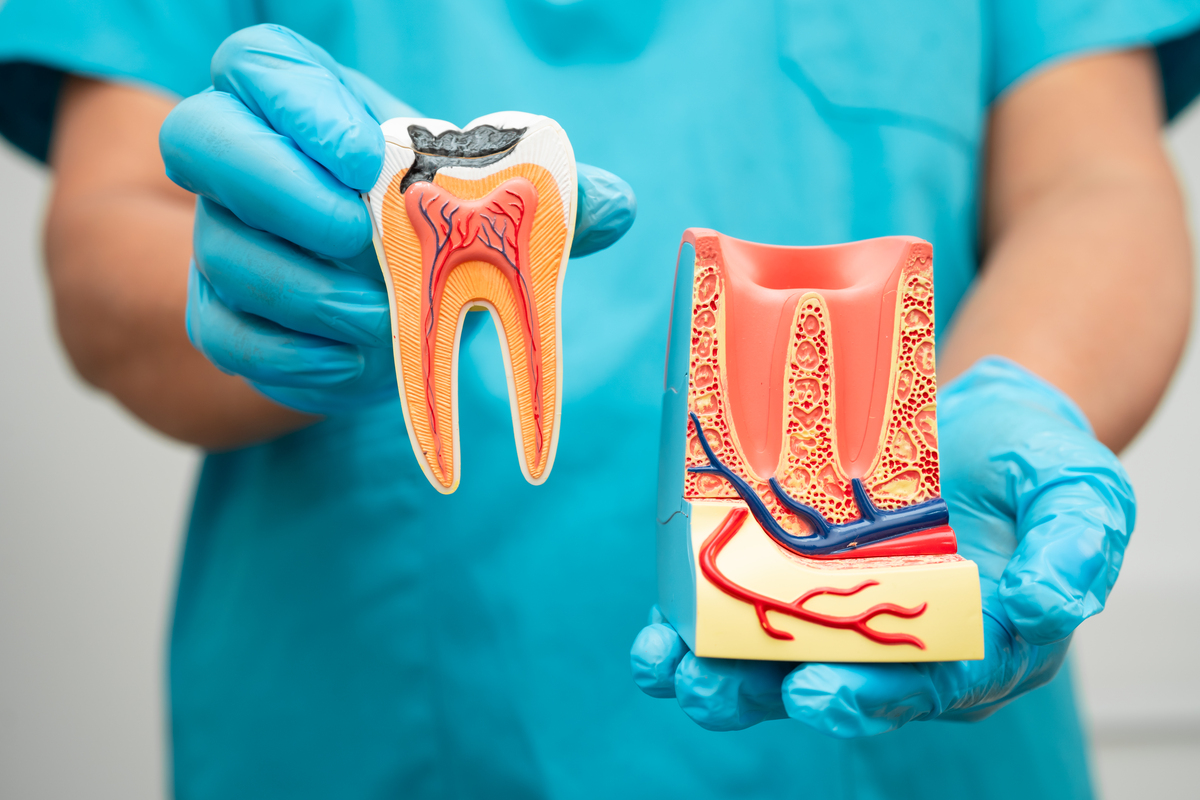
A root canal is a procedure to save a natural tooth when decay or infection reaches the tooth’s inner pulp. The dentist removes the infected tissue, cleans and seals the canal, and usually places a crown to protect the tooth.
Why do people choose root canals?
- Preserves your natural tooth
- Slows jawbone loss
- Avoids extraction and spacing problems
According to recent U.S. data, about 45% of adults have had a root canal, and 71% of those are glad they chose to save their tooth rather than extract it.
Dental Implants
A dental implant is a replacement for a missing tooth that consists of a titanium post anchored into the jawbone and topped with a crown. It doesn’t just replace the look of a tooth — it functions like one.
Why are implants so popular?
- They prevent jawbone loss
- They act like natural teeth
- They boast high success rates
In fact, dental implants in the U.S. have been growing in popularity by roughly 10–12% annually, with single‑tooth implants making up about 60% of procedures worldwide.
Can You Get a Dental Implant After a Root Canal?
A root canal doesn’t rule out the option for a dental implant later. In fact, if a root canal fails — or a tooth becomes cracked, fractured, or infected again — that tooth can be extracted and replaced with an implant.
Here’s what typically happens in the decision process:
- The dentist evaluates the tooth’s condition
- Root canal saved if possible
- If success isn’t likely or long‑term function is compromised → extraction
- Implant is considered after extraction and healing
So yes — you can get a dental implant after a root canal — especially if the original root canal no longer provides a viable, pain‑free solution.
What the Data Says: Success Rates and Survival
Root Canal Success Rates
Root canal therapy generally has excellent success rates:
- 92–98% success for teeth without periapical lesions (infection at the root tip)
- 74–86% success for teeth with lesions
Most teeth that undergo a root canal and are properly restored can remain functional for many years — and possibly a lifetime — though some may fail over time and require extraction.
Dental Implant Success Rates
Dental implants are among the most successful procedures in dentistry:
- 90–98% success rate over 5–10+ years in most studies.
- Some long‑term research shows cumulative success near 96% after 10 years.
Another analysis suggests implant survival can even be slightly higher than root canal survival over many years, depending on how success and failure are defined.
Important: success doesn’t just mean the implant stays in — it also means no pain, no infection, and proper integration with bone and gum tissue.
Why You Might Choose an Implant After a Root Canal
Here are some common clinical scenarios where implants come in after a root canal:
Failed Root Canal or Recurrent Infection
Even with excellent dental care, about 5–10% of root canals may eventually fail and require retreatment or extraction.
Tooth Fracture After Root Canal
A tooth that has had a root canal can become brittle over time, increasing the risk of cracks that aren’t repairable.
Long‑Term Predictability
Some patients opt for implants as a long‑term solution when retaining a historically problematic tooth becomes inconvenient or costly.
Bone and Jaw Health
When a tooth is extracted, the jawbone can begin to resorb. Placing an implant helps maintain bone volume and facial structure.
When You Should Not Rush Into an Implant
You might not need an implant if:
- Your tooth can still be saved predictably
- You want to preserve your natural structure
- You are concerned about surgery or cost
- You have adequate bone and no infection
A qualified dentist in Denton will prioritize saving the natural tooth whenever possible. A recent U.S. dental insurance analysis showed that American patients increasingly choose to save their teeth through specialist root canal care — likely because they want to keep their natural smile and avoid extraction when possible.
Recovery: Root Canal vs. Implant
Root Canal Recovery
- Usually minimal discomfort afterward
- Most people return to normal function quickly
- Sensitivity may last a few days
Implant Recovery
- Healing around the implant post takes weeks to months
- Soft tissue should heal in days, but bone integration takes time
- A temporary crown may be used while healing completes
Patient Considerations: What Influences the Decision?
Oral Health Condition
Bone density, gum health, infection status, and adjacent tooth conditions all factor into treatment decisions.
Age & Lifestyle
Older adults might prefer implants for longevity, while younger patients may want to save natural teeth as long as possible.
Budget & Insurance
Even with insurance, implants often cost more upfront than root canal therapy — something many patients weigh carefully.
Personal Preference
Some patients simply never want surgery, while others want the most “set it and forget it” solution available.
Conclusion
Yes, you can absolutely get a dental implant after a root canal. They aren’t mutually exclusive. In fact, dental implants often become the best next step if a root canal fails or a tooth can no longer be saved. With high long-term success rates (90–98%) and increasing popularity nationwide, dental implants offer a reliable path to a strong, natural‑feeling smile.
But don’t rush: saving your natural tooth whenever possible remains a priority for most dental professionals. Root canals still have excellent success rates — and for many Americans, they’re the least invasive route to oral health.
Ultimately, your dentist or oral surgeon will help you decide what makes the most sense for your teeth, budget, lifestyle, and long‑term dental health.
FAQs
1. Can an implant be placed immediately after extraction?
Sometimes, yes — but your dentist may wait until the extraction site heals to ensure bone stability for the implant.
2. Does a root canal prevent you from ever getting an implant?
No — prior root canal treatment doesn’t prevent future implants. In fact, it often leads to an implant after extraction if the root canal fails.
3. Are implants more successful than root canals?
Both have high success rates. Implants tend to show slightly higher long‑term success in some studies but choosing the right procedure depends on factors like health and tooth condition.
4. Does insurance cover implants?
Many dental plans cover part of the cost, but implant coverage varies widely. Always check with your provider.
5. How long do implants last?
With good care — brushing, flossing, and regular dental checkups — implants can last decades or even a lifetime.