940-380-1188

Dental Implants After Tooth Extraction: When Is The Best Time?
You’ve just been told you need a tooth extracted, and one question immediately comes to mind: “Should I get a dental implant right away, or should I wait?“ The answer isn’t always the same for every patient. The ideal timing depends on several factors, including the condition of your jawbone, the presence of infection, your overall health, and your long-term treatment goals.
Modern implant dentistry offers several timing options, including immediate implant placement (on the same day as the extraction), early placement after initial healing, and delayed placement after the extraction site has fully healed. Each approach has unique advantages and considerations.
Dental implants have become one of the most predictable methods for replacing missing teeth. Recent systematic reviews report implant survival rates of approximately 97%–98% for both immediate and delayed placement protocols when patients are carefully selected, and treatment is properly planned. However, immediate placement may have a slightly higher risk of early complications in certain clinical situations.
If you’re considering replacing a missing tooth, understanding when to place an implant can help you make an informed decision and achieve the best possible long-term outcome.
Why Replace a Missing Tooth?
A missing tooth affects much more than your smile.
Without replacement, you may experience:
- Bone loss in the jaw
- Teeth shifting into the space
- Bite changes
- Difficulty chewing
- Speech changes
- Increased wear on neighboring teeth
Dental implants replace both the visible tooth and its root, helping maintain jawbone health while restoring normal function.
What Is a Dental Implant?
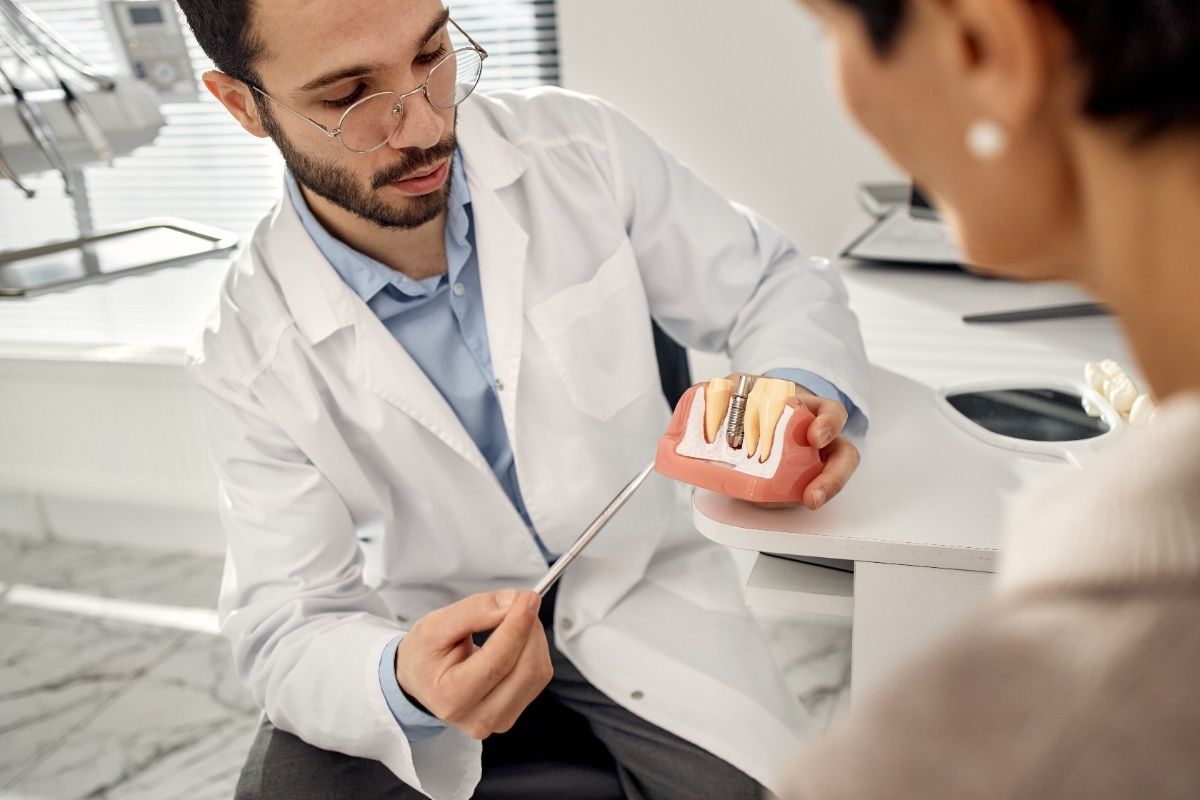
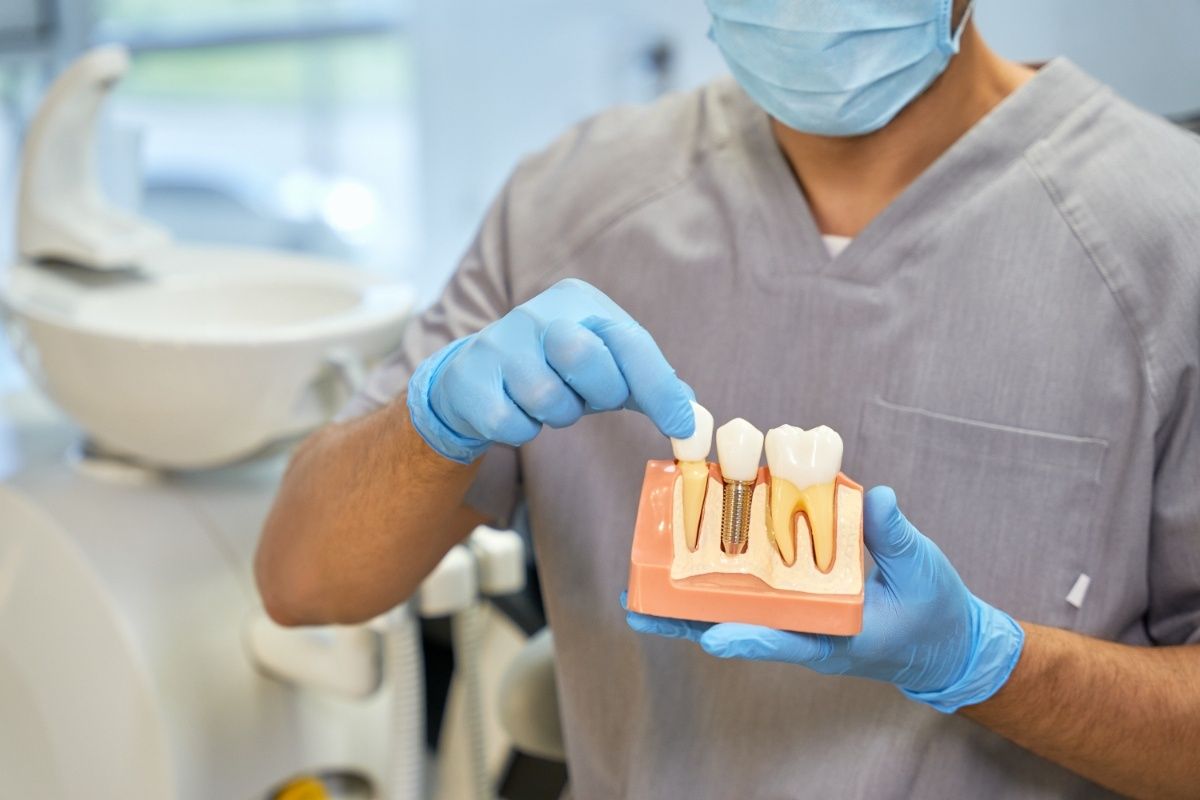
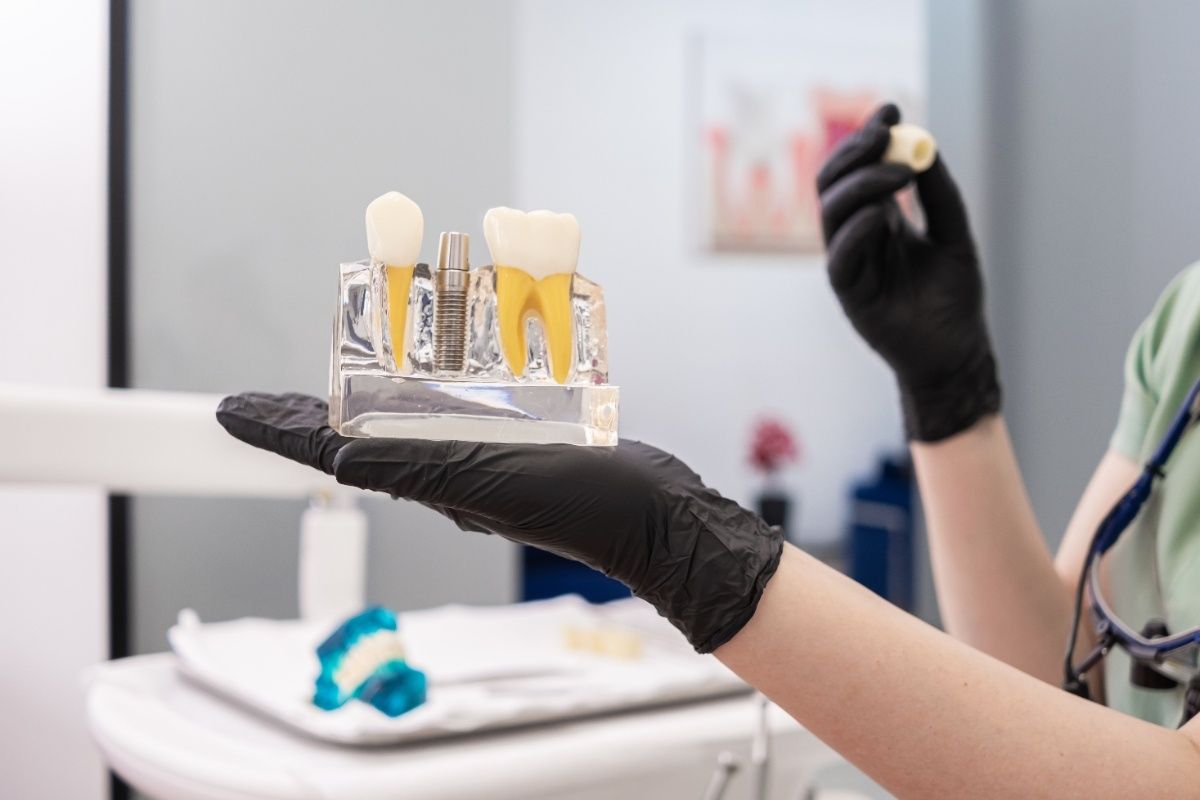
A dental implant in Denton consists of three primary components:
Implant Fixture
A titanium or ceramic post is placed into the jawbone.
Abutment
A connector that attaches the implant to the restoration.
Dental Crown
A custom-made crown designed to look and function like a natural tooth.
During healing, the implant gradually bonds with the surrounding bone through osseointegration, creating a stable foundation for the replacement tooth.
When Can a Dental Implant Be Placed?
There are four commonly used timing protocols.
Immediate Implant Placement
The implant is placed during the same appointment as the tooth extraction.
This option may be appropriate when:
- The surrounding bone is healthy.
- There is adequate bone volume.
- Active infection is absent or can be appropriately managed.
- Good primary implant stability can be achieved.
Benefits
- Fewer surgical procedures
- Shorter overall treatment time
- Better preservation of bone and gum tissue
- Faster restoration in selected patients
However, immediate placement is not suitable for everyone.
Systematic reviews indicate that immediate implants achieve overall survival rates comparable to those of delayed implants, although some studies report slightly higher early failure rates in immediate-placement cases.
Early Implant Placement
Early placement usually occurs 6–12 weeks after extraction, allowing soft tissues to heal while minimizing bone loss.
Your dentist may recommend this approach when:
- A minor infection was present.
- Soft tissue healing is needed.
- Additional evaluation is beneficial before implant placement.
Delayed Implant Placement
Delayed implants are generally placed 3–6 months after tooth extraction, once the socket has healed.
This approach may be recommended if:
- Significant infection was present.
- Bone grafting is required.
- There is insufficient bone for immediate placement.
- Additional healing time is necessary.
Delayed placement allows complete healing before implant surgery, which can improve predictability in more complex cases.
Implant Placement After Bone Grafting
Some patients lose bone after tooth extraction.
If the jawbone cannot adequately support an implant, your dentist may recommend:
- Socket preservation
- Bone grafting
- Sinus augmentation (for some upper back teeth)
Once sufficient bone develops, implant placement can proceed safely.
What Determines the Best Timing?
Every patient is different.
Your dentist will evaluate several factors before recommending immediate or delayed placement.
- Bone Quality: Adequate bone volume is essential for implant stability.
- Gum Health: Healthy gums reduce the risk of complications during healing.
- Infection: An untreated infection may require additional healing before implant placement.
- Smoking: Smoking slows healing and increases the risk of implant complications.
- Medical Conditions: Conditions such as uncontrolled diabetes or medications that affect bone healing may influence treatment timing.
Immediate vs. Delayed Dental Implants
Current research suggests that both immediate and delayed implant placement can achieve excellent long-term outcomes when case selection is appropriate. A recent systematic review found survival rates of approximately 97.4% for immediate implants and 97.5% for delayed implants, with no statistically significant difference overall.
While immediate placement can shorten treatment time and preserve soft tissue contours, delayed placement may be preferable in cases involving extensive infection, inadequate bone, or other risk factors.
Recovery After Tooth Extraction and Dental Implant Placement
Whether you receive an implant immediately after extraction or after a healing period, following your dentist’s post-operative instructions is essential for successful healing.
Most patients experience:
- Mild swelling
- Minor bleeding during the first 24 hours
- Tenderness around the surgical site
- Temporary difficulty chewing
These symptoms usually improve within several days, while the implant continues to integrate with the jawbone over the next three to six months. During this period, a strong bond forms between the implant and surrounding bone through a natural process known as osseointegration.
What Should You Eat After Implant Surgery?
Proper nutrition supports healing and helps protect the surgical site.
Recommended Foods
Choose soft, nutritious foods during the first several days, including:
- Greek yogurt
- Scrambled eggs
- Oatmeal
- Applesauce
- Cottage cheese
- Mashed potatoes
- Smooth soups
- Avocados
- Soft fish
- Protein smoothies (avoid using a straw if instructed by your dentist)
Foods to Avoid
Avoid foods that could irritate the implant site, such as:
- Hard nuts
- Popcorn
- Ice
- Crunchy chips
- Sticky candy
- Chewy meats
- Extremely hot foods and beverages during the first 24 hours
Gradually return to your normal diet as your dentist recommends.
How Long Does Healing Take?
Although the gums may appear healed within a few weeks, the implant continues integrating with the jawbone beneath the surface.
Typical healing timeline:
First 24 Hours
- Blood clot formation
- Mild swelling
- Rest is recommended
Days 2–7
- Swelling gradually decreases
- Soft tissue begins healing
- Most patients resume many normal daily activities
Weeks 2–8
- Gum tissues continue maturing
- Discomfort typically resolves
Three to Six Months
- Osseointegration progresses
- The implant becomes firmly anchored in the bone
- Final restoration may be placed once healing is confirmed
Healing time varies depending on bone quality, overall health, smoking status, and whether bone grafting was performed.
When Are Immediate Dental Implants Not Recommended?
Immediate implant placement is not appropriate for every patient.
Your dentist may recommend waiting if you have:
- Significant bone loss
- An active infection that requires additional healing
- Insufficient bone to stabilize the implant
- Uncontrolled diabetes
- Heavy tobacco use
- Certain medical conditions that affect healing
- Complex traumatic injuries
A comprehensive examination, including diagnostic imaging, helps determine the safest and most predictable treatment approach.
How to Improve Long-Term Implant Success
Dental implants have an excellent long-term prognosis when properly maintained. You can help protect your investment by following these recommendations:
- Practice Excellent Oral Hygiene: Brush twice daily with fluoride toothpaste and clean between your teeth daily using dental floss or other recommended cleaning aids.
- Attend Regular Dental Checkups: Routine examinations allow your dentist to monitor the implant, surrounding gums, and bone health.
- Avoid Smoking: Smoking is associated with slower healing and a higher risk of implant complications. Quitting or reducing tobacco use can improve treatment outcomes.
- Maintain a Healthy Diet: A balanced diet rich in vitamins, minerals, and protein supports healing and overall oral health.
- Wear a Nightguard if Needed: If you grind or clench your teeth, your dentist may recommend a custom nightguard to reduce excessive forces on the implant and surrounding teeth.
Questions to Ask Your Implant Dentist
Before treatment begins, consider asking:
- Am I a candidate for immediate implant placement?
- Will I need bone grafting?
- How long will my treatment take?
- What type of implant do you recommend?
- How should I care for my implant after surgery?
- When can I return to work and normal activities?
- What are the expected long-term outcomes?
Open communication helps you understand your treatment plan and feel more confident throughout the process.
Conclusion
Dental implants are one of the most reliable and long-lasting solutions for replacing missing teeth, but the timing of implant placement depends on your individual oral health needs. Some patients are excellent candidates for immediate implants placed on the same day as tooth extraction, while others benefit from allowing the extraction site to heal before implant surgery.
A comprehensive evaluation by an experienced implant dentist is the best way to determine the right approach for your situation. By considering factors such as bone quality, gum health, infection, and overall medical history, your local Denton dentist can create a personalized treatment plan designed for long-term success.
If you need a tooth extraction, don’t wait to discuss your tooth replacement options. Early planning can help preserve your jawbone, restore your smile, and improve your oral health for years to come.
Frequently Asked Questions
1. Can I get a dental implant on the same day as my tooth extraction?
Yes. Immediate implant placement is possible for many patients when there is enough healthy bone and the extraction site is suitable. Your dentist will determine whether this option is appropriate for your case.
2. How long should I wait after a tooth extraction before getting a dental implant?
The timing varies depending on your oral health. Some implants are placed immediately, while others are placed after several weeks or months of healing, particularly if bone grafting or infection management is needed.
3. Will I need a bone graft before getting a dental implant?
Not everyone needs a bone graft. Your dentist will evaluate your jawbone using clinical and radiographic examinations to determine whether additional bone support is necessary.
4. Are dental implants successful?
Yes. Modern dental implants have high long-term success rates when patients are carefully selected and maintain good oral hygiene. Regular dental visits and proper home care contribute significantly to long-term outcomes.
5. How can I help my implant heal properly?
Follow your dentist’s instructions, eat a soft diet during early recovery, avoid smoking, maintain excellent oral hygiene, attend follow-up appointments, and avoid applying excessive pressure to the implant as it heals.