940-380-1188

When Do Babies Need Their First Dental Checkup?
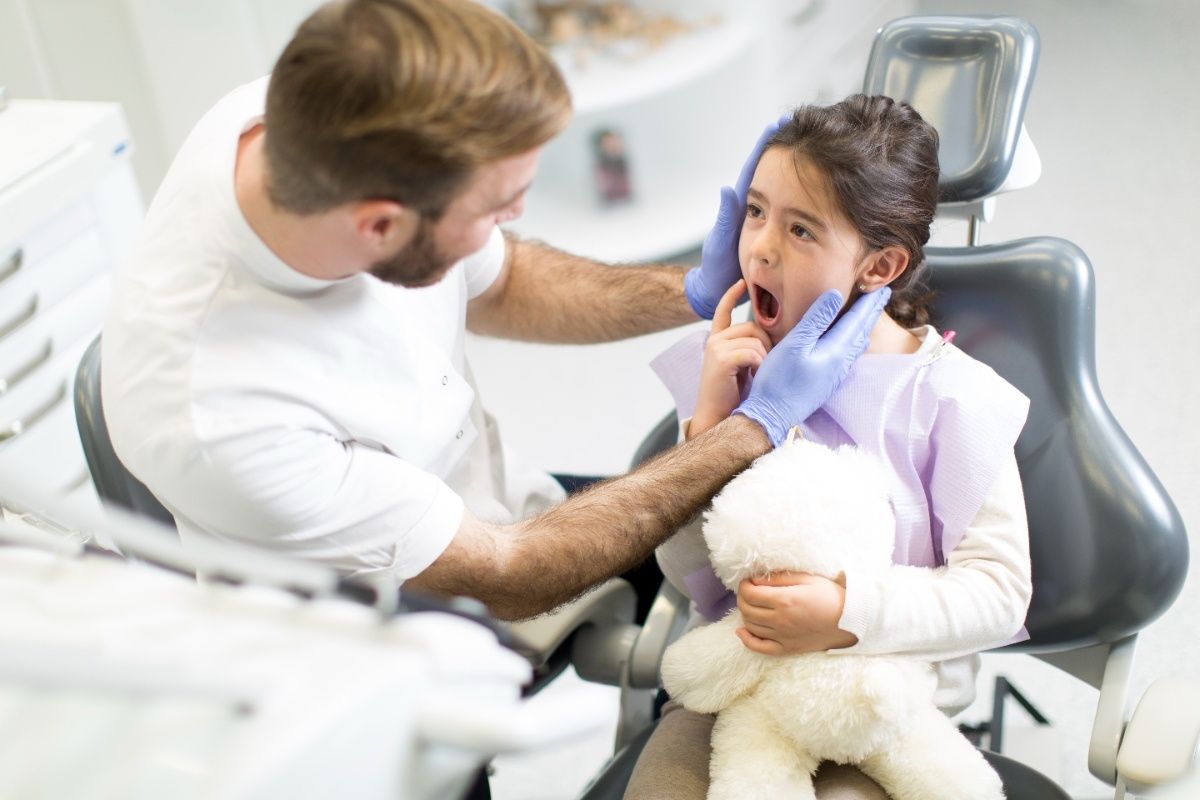
Your baby’s first smile is exciting—but have you thought about when that first dental visit should happen? Many parents assume they can wait until all the baby teeth have erupted or until preschool. In reality, early dental care plays an important role in preventing cavities and helping children develop healthy oral habits from the very beginning.
The American Academy of Pediatric Dentistry (AAPD) recommends establishing a dental home within six months after the first tooth erupts and no later than 12 months of age. Early visits allow a pediatric dentist to monitor oral development, identify potential concerns, and provide parents with personalized guidance on brushing, nutrition, fluoride, and thumb-sucking habits. This proactive approach can help reduce the risk of dental disease during childhood.
Unfortunately, tooth decay remains one of the most common chronic diseases affecting children in the United States. According to the National Institute of Dental and Craniofacial Research (NIDCR), approximately 23% of children ages 2–5 experienced dental caries in their primary teeth, highlighting the importance of preventive dental care from infancy.
Whether your baby has just cut their first tooth or is approaching their first birthday, scheduling an early dental checkup is one of the best investments you can make in their lifelong oral health.
Why Is the First Dental Visit So Important?
Baby teeth may eventually fall out, but they play essential roles in a child’s development.
Healthy primary teeth help children:
- Chew food properly
- Learn clear speech patterns
- Maintain space for permanent teeth
- Support healthy jaw development
- Build confidence through healthy smiles
Early dental visits focus on prevention rather than treatment. Your pediatric dentist in Denton can identify concerns before they become painful or expensive to treat.
According to the Centers for Disease Control and Prevention (CDC), untreated cavities can cause pain, infection, difficulty eating, missed school days, and reduced quality of life for children.
When Should Your Baby Visit the Dentist?
Most babies begin developing their first tooth between 6 and 10 months of age, although eruption times vary.
The AAPD and the American Dental Association (ADA) recommend scheduling the first dental appointment:
- Within six months after the first tooth appears, or
- No later than the child’s first birthday
Waiting until age three or four increases the chance that cavities or developmental issues may go unnoticed during the earliest stages.
What Happens During Your Baby’s First Dental Checkup?
The first appointment is usually short and gentle, designed to help your child become comfortable in the dental office.
During the visit, the pediatric dentist may:
- Examine the teeth and gums
- Evaluate jaw growth and tooth development
- Check for early signs of tooth decay
- Look for tongue-tie or other oral conditions when appropriate
- Assess the bite and oral tissues
- Discuss feeding habits and nutrition
- Review fluoride recommendations
- Demonstrate proper brushing techniques
- Answer parents’ questions
For most infants, extensive treatment is not needed during the first visit. The goal is education, prevention, and the establishment of a positive relationship with dental care.
Understanding Early Childhood Cavities
Many parents are surprised to learn that cavities can develop soon after baby teeth erupt.
Risk factors include:
- Frequent sugary drinks
- Sleeping with a bottle containing milk or juice
- Inadequate brushing
- Frequent snacking on sugary foods
- Limited fluoride exposure
- A history of cavities in caregivers
According to the NIDCR, approximately 11% of U.S. children ages 2–5 had untreated tooth decay during recent national surveys. Early preventive care can help reduce this risk.
How Parents Can Prepare for the First Dental Visit
A little preparation can make the appointment easier for both you and your child.
Helpful tips include:
- Schedule the appointment when your baby is usually well-rested.
- Bring a list of any questions or concerns.
- Complete medical history forms in advance if possible.
- Avoid scheduling during nap time.
- Stay calm and positive so your child feels secure.
Remember, your baby takes emotional cues from you. A relaxed attitude helps create a positive experience.
Caring for Your Baby’s Teeth at Home
Good oral hygiene should begin even before the first tooth appears.
Parents should:
- Wipe the gums with a clean, damp cloth after feedings.
- Brush twice daily once the first tooth erupts.
- Use a soft-bristled infant toothbrush.
- Follow your dentist’s recommendations regarding fluoride toothpaste.
- Avoid putting your baby to bed with a bottle containing sugary liquids.
- Encourage drinking water between meals when appropriate for your child’s age.
Consistent home care combined with routine dental visits provides the best foundation for lifelong oral health.
Conclusion
Your baby’s first dental checkup is an important milestone that supports healthy teeth, proper oral development, and lifelong preventive care. Scheduling the first visit within six months after the first tooth erupts—or by your child’s first birthday—allows your pediatric dentist to detect problems early, educate parents, and establish healthy habits from the start.
Early dental visits are about much more than checking for cavities. They provide valuable guidance on nutrition, brushing techniques, fluoride use, and developmental milestones, while helping children become comfortable with dental care in a positive environment.
If your baby’s first tooth has appeared or their first birthday is approaching, now is the perfect time to schedule their first dental appointment and help protect their smile for years to come.
Frequently Asked Questions
1. When should my baby have their first dental checkup?
The AAPD and ADA recommend scheduling your baby’s first dental visit within six months after the first tooth erupts and no later than 12 months of age.
2. What if my baby only has one tooth?
Even one tooth can develop cavities. Early dental visits help monitor healthy development and provide parents with preventive guidance.
3. Is the first dental visit painful?
No. Most first visits involve a gentle examination, oral health assessment, and education for parents rather than dental treatment.
4. How often should my child visit the dentist?
Most children benefit from dental checkups every six months, although your pediatric dentist may recommend a different schedule based on your child’s oral health needs.
5. How can I prevent cavities in my baby’s teeth?
Brush twice daily with an age-appropriate toothbrush and fluoride toothpaste as recommended by your dentist; avoid frequent sugary drinks; encourage healthy eating habits; and schedule regular preventive dental visits.