940-380-1188
Pediatric Dentist Tips For Healthy Smiles At Every Age
Every parent wants to see their child grow up with a healthy, confident smile. But did you know good oral health starts long before your child’s teeth come in? From cleaning an infant’s gums to helping teenagers protect their teeth during sports, every stage of childhood presents unique opportunities to build lifelong dental habits.
Many parents wonder when to schedule the first dental visit, how much toothpaste to use, whether thumb sucking is harmful, or how to prevent cavities. The good news is that consistent daily care, regular dental checkups, and healthy nutrition can significantly reduce the risk of tooth decay and other oral health problems throughout childhood.
According to the American Academy of Pediatric Dentistry (AAPD), children should visit a dentist by their first birthday or within six months after their first tooth erupts. Early dental visits give families preventive guidance before problems develop. The Centers for Disease Control and Prevention (CDC) reports that more than half of children aged 6 to 8 years have experienced at least one cavity in a primary (baby) tooth, making tooth decay one of the most common chronic childhood diseases in the United States. Fortunately, research also shows that preventive dental care—including fluoride, dental sealants, and good oral hygiene—can dramatically reduce the risk of cavities.
Whether your child is teething, starting kindergarten, getting braces, or preparing for college, healthy oral habits should evolve with each stage of development. In this guide, we’ll share pediatric dentist-recommended tips for maintaining healthy smiles from infancy through the teenage years, along with practical advice that families can use every day.
Why Children’s Oral Health Matters
Healthy primary teeth do much more than create a beautiful smile.
They help children:
- Chew nutritious foods
- Develop clear speech
- Maintain facial development
- Hold space for permanent teeth
- Build confidence
Neglecting baby teeth can lead to pain, infection, difficulty eating, and problems with permanent tooth eruption.
Children’s Oral Health by the Numbers
Recent statistics emphasize the importance of preventive dental care.
- According to the CDC, over 50% of children aged 6–8 years have had at least one cavity in a baby tooth.
- The CDC also reports that untreated tooth decay affects millions of school-aged children each year and remains one of the leading chronic diseases of childhood.
- The American Academy of Pediatric Dentistry (AAPD) recommends the first dental visit by age one.
- The American Dental Association (ADA) notes that fluoride toothpaste and regular professional care significantly reduce cavity risk.
- Research shows that school-based dental sealant programs can reduce cavities in permanent molars by up to 80% during the first two years after placement (CDC).
These findings show why preventive care matters at every age.
Oral Health Tips for Babies (Birth to 12 Months)
Healthy smiles begin before the first tooth appears.
Clean the Gums Daily
Use a clean, damp cloth to wipe your baby’s gums after feedings.
Schedule the First Dental Visit
Visit a pediatric dentist:
- By age one
or - Within six months after the first tooth erupts.
Avoid Bedtime Bottles
Putting babies to bed with milk or juice increases the risk of early childhood cavities.
Water is the safest bedtime beverage if needed.
Begin Brushing Early
Once the first tooth erupts:
- Brush twice daily.
- Use a soft infant toothbrush.
- Apply a rice-sized smear of fluoride toothpaste.
Oral Health Tips for Toddlers (1–3 Years)
Toddlers are learning independence, but they still need help from parents.
Encourage Brushing
Brush twice daily using a rice-sized amount of fluoride toothpaste.
Parents should perform or supervise brushing.
Limit Sugary Snacks
Frequent exposure to sugary foods and drinks increases cavity risk.
Offer:
- Fresh fruit
- Cheese
- Yogurt
- Vegetables
Instead of sticky candies and sweetened beverages.
Help Them Learn
Allow toddlers to hold their toothbrush while you finish cleaning their teeth thoroughly.
Positive experiences encourage lifelong habits.
Oral Health Tips for Preschoolers (3–5 Years)
As children become more independent, supervision remains important.
Increase Toothpaste Amount
Use a pea-sized amount of fluoride toothpaste once your child can reliably spit it out, following your dentist’s guidance.
Teach Proper Brushing Technique
Encourage brushing for two minutes.
Parents should continue supervising to ensure every tooth is cleaned.
Begin Flossing
Floss once daily whenever two teeth touch.
Oral Health Tips for School-Aged Children (6–12 Years)
This is a critical stage because permanent teeth begin erupting.
Ask About Dental Sealants
Sealants protect the deep grooves of molars where cavities commonly develop.
According to the CDC, sealants reduce cavities in molars by approximately 80% during the first two years after application.
Encourage Healthy Lunch Choices
Choose:
- Water
- Milk
- Fruits
- Vegetables
- Whole grains
Limit:
- Soda
- Sports drinks
- Sticky snacks
Wear Mouthguards During Sports
Custom athletic mouthguards reduce the risk of dental injuries during contact sports.
Oral Health Tips for Teenagers
Teenagers often face new oral health challenges.
Orthodontic Care
Braces and clear aligners require excellent oral hygiene.
Brush carefully around brackets or attachments.
Avoid Tobacco and Vaping
The CDC warns that tobacco products increase the risk of gum disease, oral cancer, and tooth discoloration.
Teens should also understand the oral health risks associated with vaping.
Wisdom Teeth Monitoring
Regular dental visits allow dentists to evaluate developing wisdom teeth before problems occur.
Nutrition Tips for Healthy Smiles
Nutrition directly affects oral health.
Choose foods rich in:
- Calcium
- Vitamin D
- Phosphorus
- Protein
- Fiber
Healthy options include:
- Milk
- Cheese
- Yogurt
- Leafy greens
- Fish
- Nuts (age-appropriate)
- Fresh fruits
Limit sugary beverages and frequent snacking to reduce acid attacks on tooth enamel.
Fluoride and Cavity Prevention
Fluoride strengthens enamel and helps prevent cavities.
Sources include:
- Fluoride toothpaste
- Community water fluoridation
- Professional fluoride treatments
The ADA and AAPD support appropriate fluoride use as part of a comprehensive cavity prevention plan.
Daily Oral Hygiene Routine
Children should:
- Brush twice daily for two minutes.
- Floss once daily.
- Replace toothbrushes every three to four months.
- Visit the local Denton dentist every six months or as recommended.
Parents should supervise brushing until children have the manual dexterity to brush effectively—often around ages 7 to 8.
Common Childhood Dental Problems
Pediatric dentists frequently treat:
- Cavities
- Thumb sucking effects
- Tooth injuries
- Gum inflammation
- Orthodontic concerns
- Teeth grinding
- Delayed tooth eruption
Routine examinations allow early diagnosis and conservative treatment.
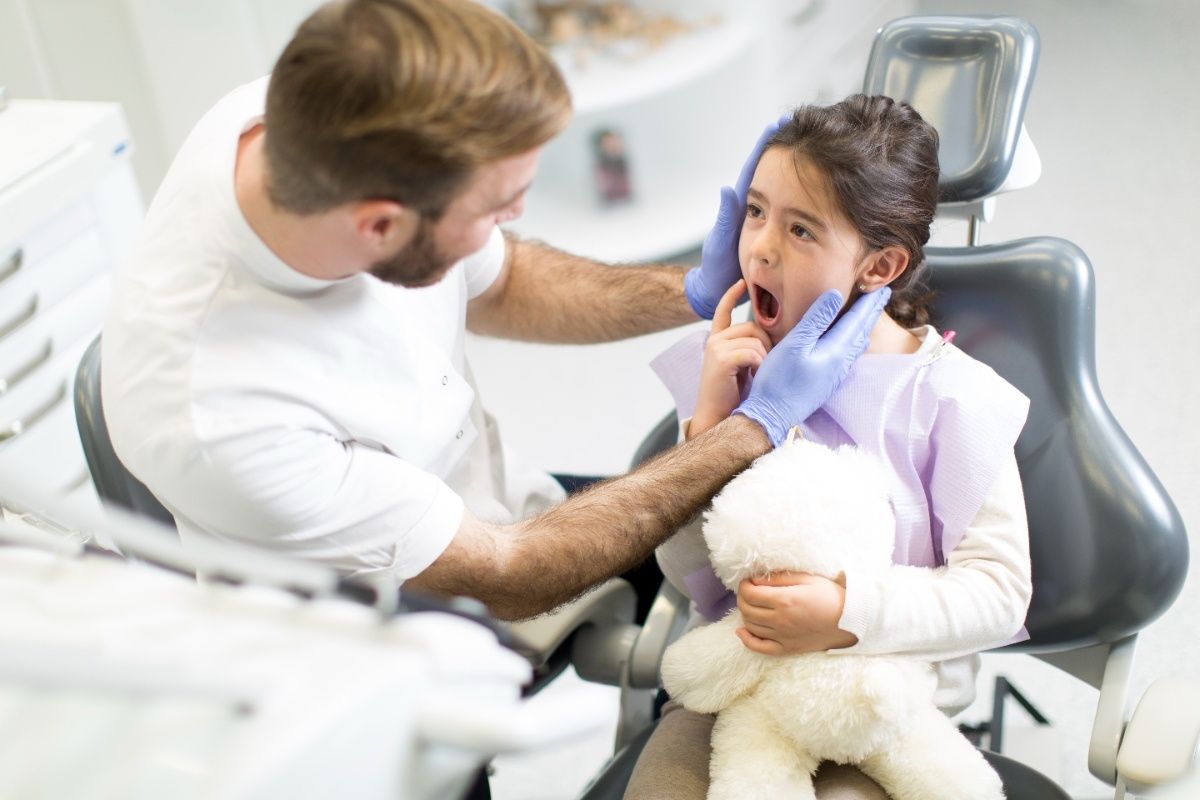
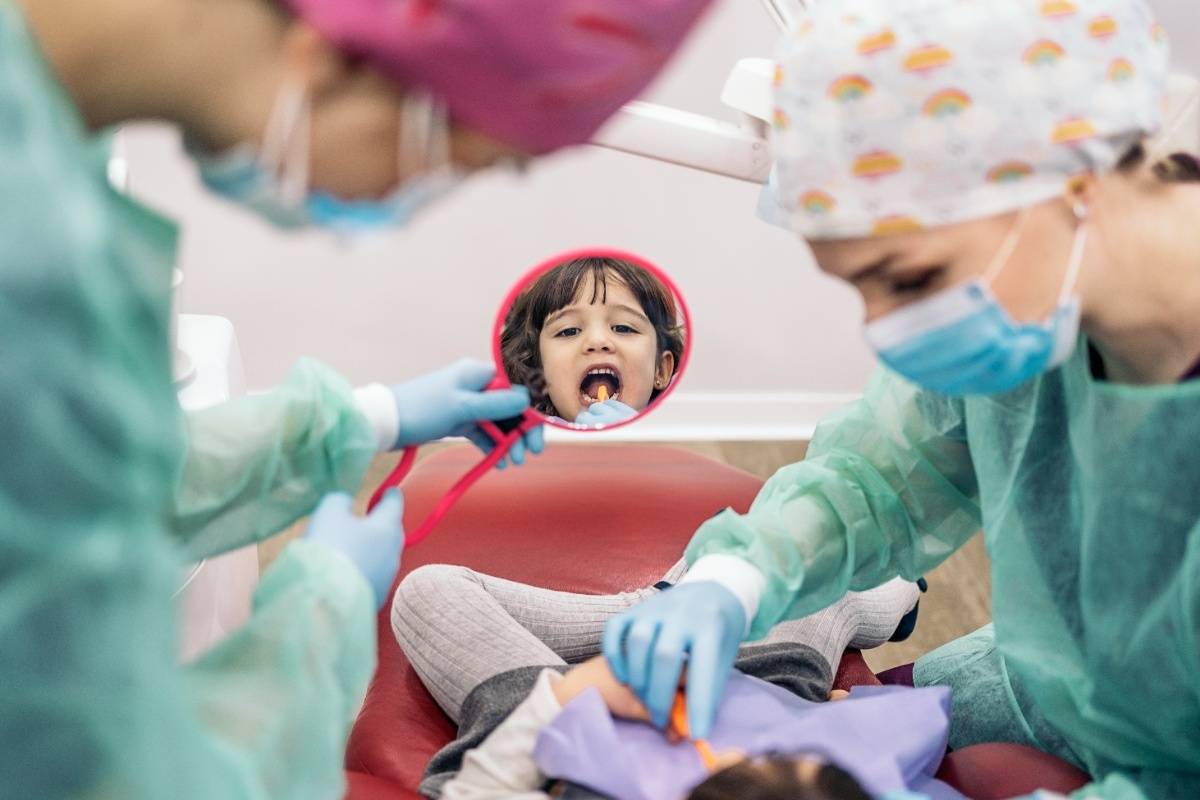
Tips for Making Dental Visits Positive
Parents can help children feel comfortable by:
- Reading children’s books about the dentist.
- Avoiding frightening language.
- Scheduling morning appointments when children are well-rested.
- Praising cooperation after the visit.
- Choosing a pediatric dental office designed for children.
Positive experiences reduce dental anxiety over time.
Common Oral Health Myths
Myth 1: Baby Teeth Don’t Matter
Fact: Baby teeth are essential for proper nutrition, speech, and guiding permanent teeth.
Myth 2: Cavities Are Inevitable
Fact: Proper brushing, fluoride, healthy nutrition, and regular dental visits can prevent most cavities.
Myth 3: Children Can Brush Perfectly on Their Own
Fact: Most young children need supervision until they develop adequate hand coordination.
When Should Parents Contact a Pediatric Dentist?
Schedule an appointment if your child has:
- Tooth pain
- Swollen gums
- White or brown spots on teeth
- Dental trauma
- Persistent bad breath
- Delayed tooth eruption
- Difficulty chewing
Early treatment often prevents more complex problems later.
Benefits of Early Preventive Dental Care
Preventive care helps:
- Reduce cavities
- Protect permanent teeth
- Lower future dental costs
- Improve overall health
- Build lifelong healthy habits
- Increase confidence
Children who develop strong oral hygiene routines early are more likely to maintain them into adulthood.
Conclusion
Healthy smiles are built one habit at a time, beginning in infancy and continuing through the teenage years. From scheduling the first dental visit by age one to encouraging proper brushing, flossing, balanced nutrition, and routine checkups, each stage of childhood offers valuable opportunities to protect your child’s oral health. Preventive care not only reduces the risk of cavities and gum disease but also supports healthy speech, chewing, and overall development.
Partnering with a trusted pediatric dentist in Denton gives your family personalized guidance as your child grows. With consistent home care, regular professional visits, and healthy daily routines, you can help your child enjoy a confident, healthy smile that lasts well into adulthood.
Visit our dental practice in Denton. Book now to schedule your appointment with our team.
Frequently Asked Questions
1. When should my child first visit a pediatric dentist?
The American Academy of Pediatric Dentistry recommends scheduling your child’s first dental visit by their first birthday or within six months after the first tooth erupts.
2. How often should children have dental checkups?
Most children benefit from dental examinations and professional cleanings every six months, although your pediatric dentist may recommend a different schedule based on your child’s oral health needs.
3. How can I help prevent cavities in my child?
Brush twice daily with fluoride toothpaste, floss once teeth touch, limit sugary snacks and beverages, encourage water between meals, and schedule regular dental visits. Dental sealants may also help protect permanent molars.
4. Are baby teeth really important?
Yes. Baby teeth help children chew properly, develop clear speech, maintain jaw growth, and preserve space for permanent teeth.
5. At what age can children brush their teeth independently?
Many children develop the coordination needed for effective independent brushing around ages 7 to 8, but parents should continue supervising until brushing is consistently thorough.