940-380-1188
What Happens If You Delay Dental Implants or Root Canal Treatment?
Think about the last time you ignored a “Check Engine” light in your car. Maybe it stayed on for a week, and nothing happened. But deep down, you knew that the longer you waited, the higher the chance of a breakdown on a rainy Tuesday night.
Your dental health works much the same way—except you can’t just trade in your jawbone for a newer model. Whether it’s a lingering toothache that “isn’t that bad yet” or a missing tooth you’ve been meaning to replace with an implant, procrastination is the most expensive thing you can do at the dentist.
Are you currently weighing the “cost of waiting” against the cost of treatment? You aren’t alone. But as we head into 2026, the data is clearer than ever: the biological and financial price of delay grows exponentially. Let’s dive into what actually happens inside your mouth when you hit the snooze button on your dental care.
Why Timing Matters in Dental Treatment
Imagine you notice persistent tooth sensitivity or even just a dull ache. It’s easy to say, “I’ll wait until my next paycheck.” But delaying needed dental work isn’t like putting off laundry — the consequences can compound rapidly and, in some cases, become dangerous.
Oral health affects more than your smile. The mouth is directly connected to your bloodstream — meaning dental infections can influence your heart, immune system, and even metabolic health. Delays in treatment don’t just cost more later — they cost health.
The Cost of Delaying Root Canal Treatment
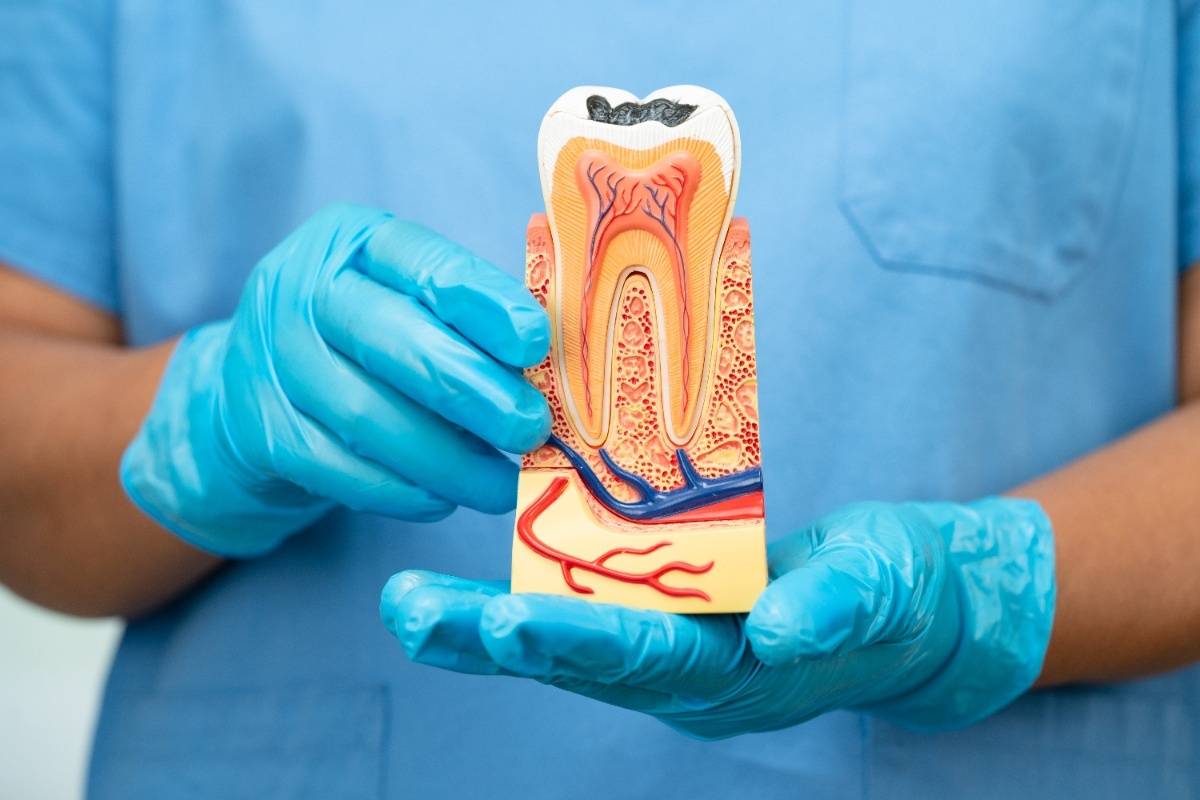
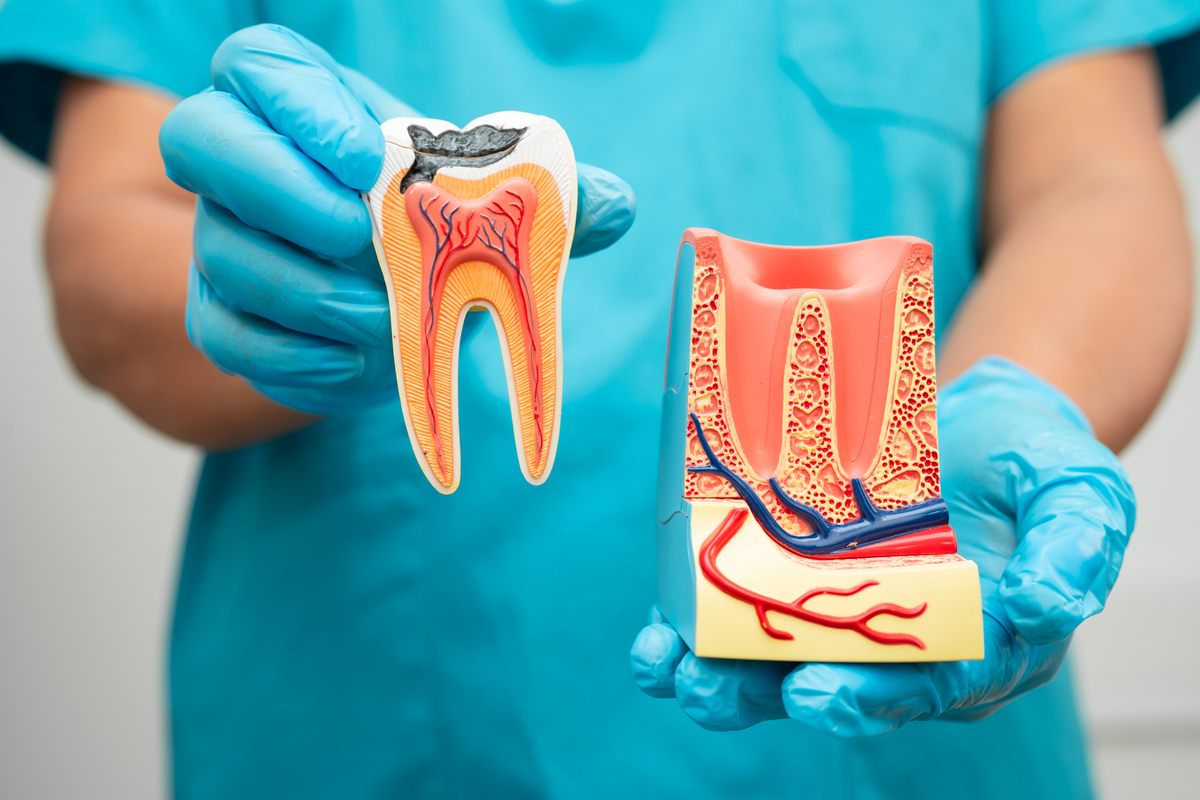
A root canal isn’t just about relieving pain — it’s about stopping infection at its source. The procedure removes infected tissue from inside a tooth, thoroughly cleans the canal, and seals it to prevent reinfection.
Here’s what happens if you put it off:
Pain Worsens Over Time
Delaying a root canal might seem harmless if pain is mild at first. But the bacterial infection inside a tooth doesn’t improve on its own — it intensifies. The nerve endings become more inflamed, leading to:
- Pain that becomes constant, throbbing, and hard to manage
- Sensitivity to hot or cold foods that doesn’t go away
- Difficulty eating, sleeping, or speaking comfortably
This pattern — from mild discomfort to intense pain — is not unusual. Many patients report pain that escalates significantly within just a few weeks of postponement.
Infection Can Spread Beyond Your Tooth
Dental infections aren’t contained to the tooth pulp forever. As bacteria multiply, they can travel beyond the root to:
- Surrounding bone
- Jaw tissue
- Even your bloodstream
This sets you up for more serious complications, such as abscesses or systemic conditions — some of which can become dangerous if untreated.
Risk of Abscess and Bone Damage
An abscess is a pocket of pus formed when infection spreads past the root tip. It can:
- Cause severe swelling in the gums or face
- Lead to fever and sore lymph nodes
- Eventually requires surgical drainage
If infection reaches the jawbone, it can degrade the bone that supports your tooth. This jawbone loss may compromise not only the infected tooth but also adjacent teeth — leading to instability, shifting, or multiple treatment needs later.
Tooth May Become Unsalvageable
Although root canals save many teeth, delaying treatment increases the chance that a tooth will be too damaged to save — requiring extraction instead.
In one older study, teeth with incomplete or delayed root canal therapy were extracted 56% of the time, compared with only 2–3% of teeth that received timely treatment.
That’s dramatic: delays make a failed root canal more than 10× more likely.
More Complex & Costly Treatments Later
When treatment is postponed, it almost always becomes more complicated — and more expensive. What might have been a single simple root canal can transform into:
- Surgical root procedures (apicoectomy)
- Bone grafting
- Tooth extraction
- Dental implant placement
All of these options are more invasive and expensive than a timely root canal.
Delaying Dental Implants After Tooth Loss
Dental implants are widely considered one of the best ways to replace missing teeth. They mimic natural tooth roots and help preserve bone. But delay has its own consequences.
Your Jawbone Will Shrink Without Stimulation
Bones in your jaw lose volume quickly when they’re not being stimulated by a natural tooth root or implant post. This process — called bone resorption — starts immediately after tooth loss and accelerates over the first few months:
- Bone width can shrink by 30–63% within 6 months after extraction
- Vertical bone height reduces by around 11–22% in the same period
This shrinking jawbone may make implant placement harder or even impossible without additional bone grafting.
More Complex Surgery May Be Needed Later
If you delay implants long enough and bone loss becomes severe, your local certified Denton dentist may recommend a bone graft or sinus lift before implant placement. These procedures add:
- Additional surgical visits
- Higher costs
- Longer healing time
Even with advanced techniques, more bone loss means more planning, more anaesthesia, and more time out of your schedule.
This complexity can turn what should have been a straightforward implant process into a multi-stage treatment requiring months of healing.
Implant Success Can Be Affected by Delay
Interestingly, some research shows that delayed implant placement (after initial bone healing) can result in better long-term stability than placing implants immediately after extraction, when bone is still fresh.
However, this doesn’t negate the need for implants — it simply reinforces that timing and planning must be right. Poorly timed implants can struggle to integrate fully with bone or may develop failure conditions such as peri-implantitis.
Missing Teeth Lead to Bite, Function & Appearance Changes
When a tooth is missing for too long, the gap doesn’t just stay empty — nearby teeth begin to shift or tilt toward the space. This can:
- Change your bite
- Make chewing difficult or uneven
- Increase uneven wear on other teeth
Over time, misalignment can lead to jaw pain, TMJ issues, and general wear and tear on your dental system.
Gaps can also contribute to a sunken or aged appearance, especially around the cheeks and lips.
Implant Success Stats Also Show Reason for Care
Dental implants are highly successful overall, with long-term success rates often ranging from about 90% to 96% in recent analyses.
Even so, failure can occur — especially without proper planning, bone volume, and oral hygiene. Supporting bone loss (from delay) makes maintaining implant stability more challenging over time.
Understanding Pain vs. Prevention
A common misconception is that “if it doesn’t hurt, it’s not serious.” In dentistry, symptoms lag behind actual damage.
- Your infection might be worse than the pain feels.
- Your jawbone might be shrinking, even without discomfort.
- A small infection can become a facial swelling or systemic problem.
Taking action early often means fewer procedures, lower costs, less pain, and better long-term health outcomes.
Conclusion
The “silent” nature of dental issues is their most dangerous trait. Bone loss doesn’t hurt. A dying nerve might stop hurting once the nerve officially dies, but the infection remains. Delaying treatment doesn’t just put your smile at risk—it complicates your future health and drains your bank account.
Your smile isn’t just cosmetic — it supports nutrition, confidence, and overall health. Listening to your dentist and addressing problems early can save you time, money, and discomfort.
Frequently Asked Questions
1. Can I safely delay a root canal if I’m not in pain?
Not usually. Even without pain, an infection can be progressing invisibly and damage bone or neighbouring teeth.
2. How fast does jawbone shrink after a tooth is lost?
Studies show significant bone loss — up to 30–63% width loss in the first 6 months — without stimulation.
3. Are dental implants painful to get?
Most patients report mild discomfort, similar to a tooth extraction, with pain managed by local anaesthesia and modern sedation techniques.
4. Does delaying implants increase cost?
Yes. Additional bone grafts, sinus lifts, and more complex dental work increase both time and cost.
5. Is it better to get a root canal or go straight to an implant?
It depends on your case. Saving a natural tooth with a root canal is usually best when possible, but in some situations, implants may be recommended. A dentist can help determine the right option.