940-380-1188
Common Mistakes To Avoid After Dental Implants
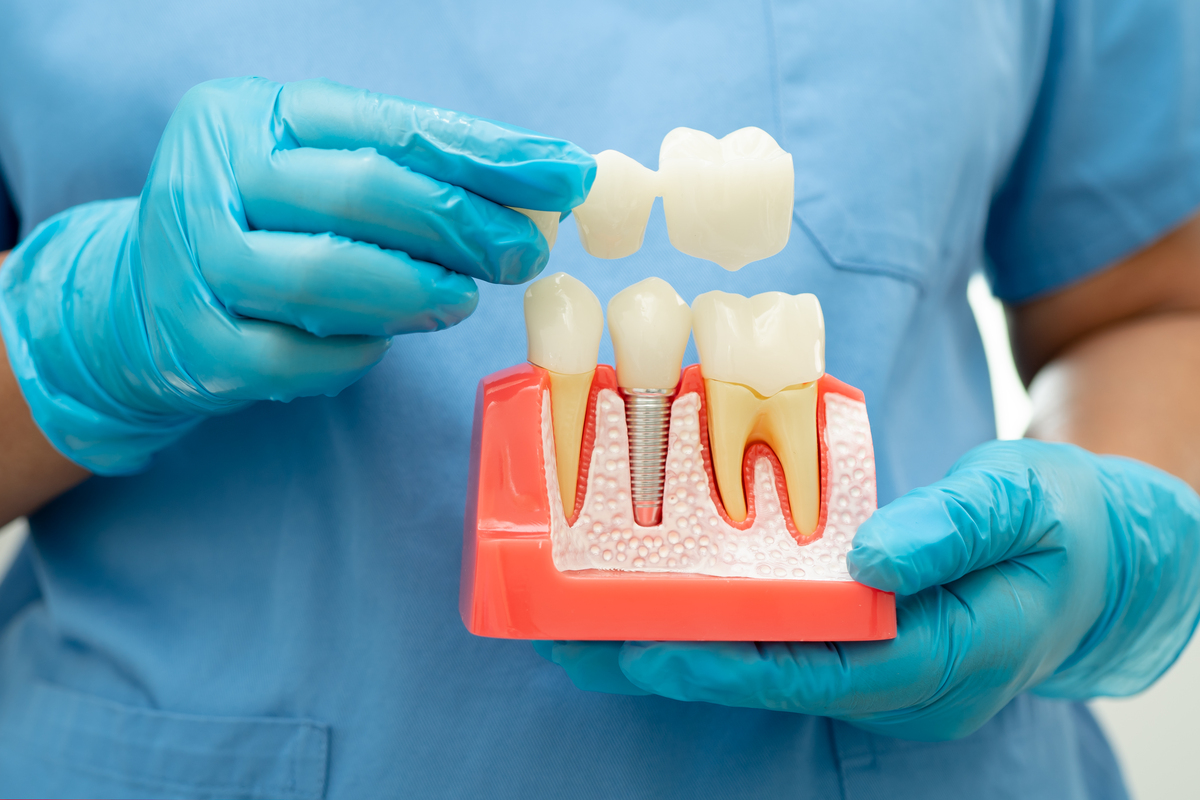
So, you’ve finally done it! You’ve taken that big step toward restoring your smile with a dental implant. Whether it was to replace a single missing tooth or part of a full-mouth restoration, you’re now joining the ranks of the 5 million Americans who receive dental implants every single year.
But here is the million-dollar question: Now that the surgery is over, are you in the “clear”?
Think of your new implant like a high-end luxury car. It’s built to last a lifetime, but if you don’t follow the maintenance schedule or try to “off-road” it before the tires are even on, you’ll run into trouble. While dental implants boast an impressive 95% to 98% success rate in the United States, that 2% to 5% failure rate often comes down to what happens after you leave the dentist’s chair.
If you want to protect your investment and ensure your smile stays intact, avoid these common post-op pitfalls.
Dental Implant Success
Before we talk about mistakes, here’s why aftercare matters:
- Dental implants are among the most reliable tooth-replacement options, with success rates typically between 90% and 98% over 10–15 years when properly cared for.
- A large retrospective study reported an overall implant survival of over 97%, with failures occurring mostly within the first year after placement.
- Other clinical analyses report 86%–92% success even after 20 years when patients support daily care and follow-up protocols.
That means most dental implants last a lifetime — but it’s the post-surgery habits that make the difference between success and complications.
Forgetting to Follow Post-Op Instructions
This may be the #1 mistake patients make after implant surgery: treating the procedure like a single appointment rather than a healing process that requires teamwork between you and your dental team.
When instructions are ignored — like how to care for the surgical site, when to eat, and how to take medications — the risk of infection, swelling, or even implant failure significantly increases.
Tip: Always ask your dentist to review post-op care instructions aloud before you leave. Make notes or set reminders on your phone for things like medication times or follow-up visits.
Ignoring Oral Hygiene
A common misconception is that “it’s new — don’t touch it.” But implants need just as much care as natural teeth — especially right after surgery.
Poor hygiene leads to bacterial buildup, which can cause peri-implantitis, an inflammatory condition that harms gums and bone around the implant. Left untreated, peri-implant inflammation can erode bone support and risk implant stability.
Good habits include:
- Brushing gently with a soft-bristled brush
- Flossing daily (or using a water flosser)
- Using dentist-approved antiseptic mouth rinses
Your dentist may even recommend specific tools designed for implant care.
Eating Hard or Sticky Foods Too Soon
Food is fuel — but right after implant surgery, it can be a hazard zone for your healing tissues. Crunchy snacks, hard nuts, sticky candies, seeds, and even certain fruits can press against healing gum tissue and disrupt osseointegration (the bone bonding process).
Safe food options early on include:
- Mashed potatoes
- Scrambled eggs
- Smoothies (no straws!)
- Yogurt
- Soup (not hot)
Important: Avoid using straws soon after surgery — suction can disturb the blood clot and delay healing.
Smoking and Alcohol Use After Surgery
Smoking isn’t just a bad habit for your lungs — it’s a major risk factor for implant complications. Research shows smokers have a significantly higher rate of implant complications compared to non-smokers.
Smoking reduces blood flow and oxygen to the gum tissues, which:
- Slow down healing
- Increase inflammation
- Raise the risk of peri-implant disease
- Can more than double the risk of implant failure.
Even occasional smoking or vaping shortly after surgery can have serious effects — so avoiding tobacco entirely during the healing phase (ideally longer) gives your implant the best chance of long-term success.
Alcohol isn’t great either. It can irritate oral tissues and interfere with medications and healing, so it’s best to avoid excessive drinking during recovery.
Skipping or Delaying Follow-Up Visits
Dental implants are not a “set it and forget it” procedure. Follow-up visits let your dentist:
- Monitor how well the implant is integrating
- Detect early signs of inflammation or infection
- Adjust your care plan as healing progresses
Skipping appointments may seem harmless — until a small problem becomes a big one.
Returning to Strenuous Activity Too Early
After surgery, your body needs energy to focus on healing — that means rest is part of recovery. Heavy lifting, intense workouts, or even bending and straining can increase blood pressure, leading to swelling, bleeding, or implant site irritation.
While gentle walking is usually fine, save intense exercise for after the initial healing period your dentist recommends.
Using the Wrong Cleaning Tools
You might think your everyday toothbrush or floss is fine — and it usually is once fully healed — but right after surgery, your gums are sensitive. Brushing too hard or using aggressive floss can irritate sutures.
Your dentist can recommend:
- A soft-bristle toothbrush
- Non-abrasive toothpaste
- Interdental brushes with gentle bristles
- Water flossers are designed to clean around implants
These tools help clean without hurting healing tissues.
Touching the Implant Area
It’s tempting to poke or rub the surgical site with your tongue or fingers — don’t do it!
Touching the area introduces bacteria and can irritate delicate tissues. If you notice something unusual—swelling, pain, bleeding—call your local qualified dentist in Denton instead of trying to “check it yourself.”
Other Factors That Affect Implant Success
Even beyond your everyday actions, these risk factors are linked with higher failure or complication rates:
- Bruxism: Teeth grinding puts abnormal pressure on implants. A custom night guard can reduce this risk over the long term.
- Poor Overall Health: Conditions like uncontrolled diabetes or immune disorders can affect healing. Always discuss your full medical history before surgery.
- Inadequate Bone Support: If your jawbone is too thin or weak, dentists may perform a bone graft before implant placement — ignoring this increases the risk of failure.
Conclusion
Dental implants are durable, life-changing restorations with success rates of 90–98% with good care. But that doesn’t mean they’re risk-free — especially in the early stages of healing.
Your actions in the first few weeks and months greatly influence how long your implant lasts and how comfortable your everyday life will be. Make aftercare a priority, communicate with your dental team, and don’t hesitate to ask questions — there’s no such thing as a silly one when it comes to your health.
Frequently Asked Questions
1. How long does it take for a dental implant to fully heal?
Healing varies, but osseointegration (bone bonding to the implant) typically takes 3–6 months. Your dentist will monitor this during follow-ups.
2. Can I smoke after my implant is placed?
Smoking significantly increases the risk of complications and failure. Avoid tobacco entirely during healing — and ideally long-term for best outcomes.
3. How soon can I brush and floss after surgery?
Gently clean nearby teeth immediately, but follow your dentist’s guidance on brushing the exact implant site — usually after initial swelling goes down. Use soft tools.
4. Is it normal to have pain after implant surgery?
Yes, mild discomfort is expected in the first few days. Persistent or severe pain, excessive bleeding, or swelling should prompt a call to your dentist.
5. Can dental implants fail later, even years after placement?
Yes — though rare, late failures can happen due to peri-implantitis, bruxism, or poor oral care. Lifelong hygiene and checkups help prevent these issues.