940-380-1188

Which Foods To Eat and Avoid After Dental Implant Surgery?
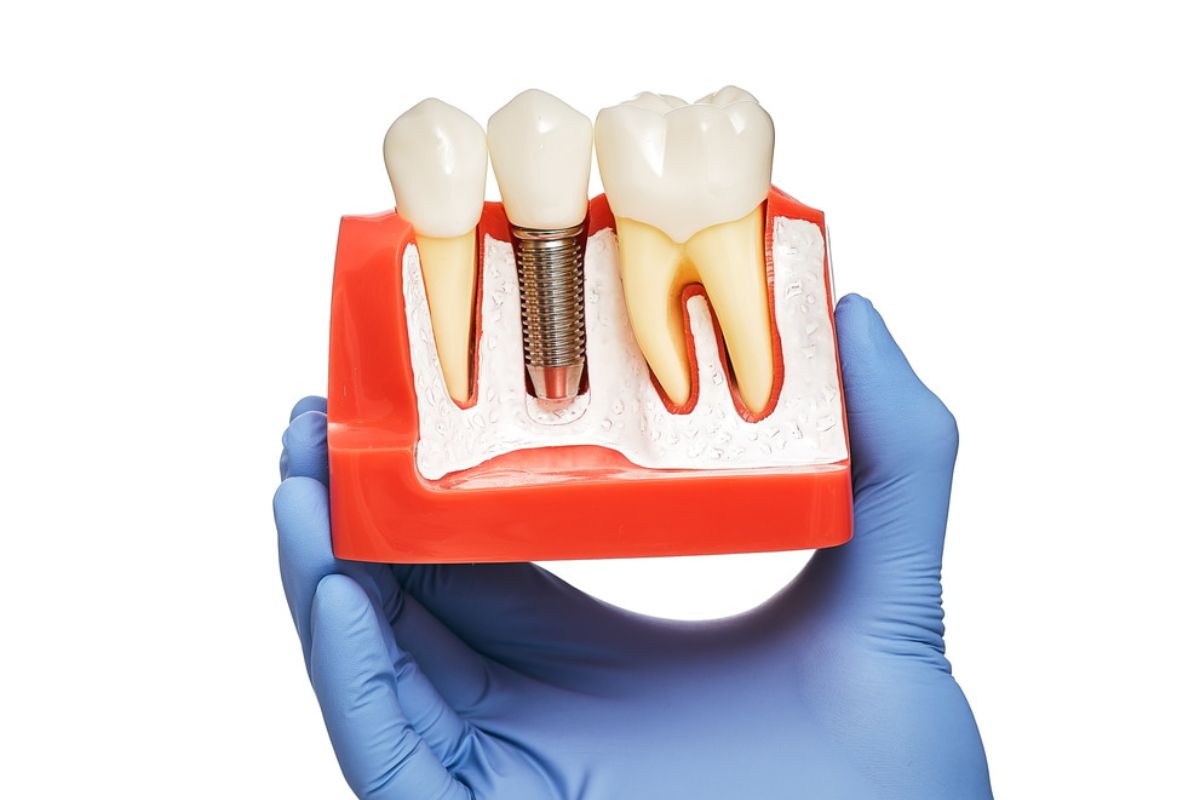
Hey there, smile seeker! Just taken the plunge and gotten a shiny new dental implant? Congratulations on taking a fantastic step towards a confident and complete smile! Now, while you’re probably excited to show off your new addition, there’s a crucial pit stop on this journey: recovery. And guess what plays a HUGE role in a smooth and speedy healing process? You guessed it – your diet!
Think of your mouth after implant surgery like a delicate construction site. You wouldn’t want heavy trucks rumbling through and causing damage, right? Similarly, the wrong foods can irritate the surgical area, hinder healing, and even lead to complications.
So, what should be on your plate, and what should you politely decline? Let’s dive into the dos and don’ts of post-dental implant dining, with some helpful tips straight from the experts.
List: Foods to Embrace
During the initial healing phase (typically the first few days to a week), your focus should be on soft, non-chewing foods that are gentle on your gums. Think comfort food, but with a healing twist!
- Liquids are your best friends: Hydration is key for overall healing. Opt for water, clear broths (like chicken or vegetable), and lukewarm tea. According to the American Dental Association (ADA), staying hydrated helps maintain saliva production, which is crucial for oral health and preventing infection.
- Smooth and creamy delights: Think yogurt (without bits!), smoothies (avoiding seeds and small fruits), and protein shakes. These provide essential nutrients without requiring much chewing. A study published in the Journal of Oral Implantology highlighted the importance of adequate protein intake for tissue repair after implant surgery.
- Mashed to perfection: Mashed potatoes, smooth applesauce, and pureed soups are excellent choices. They’re easy to swallow and won’t put pressure on the implant site. The National Institutes of Health (NIH) emphasizes the role of easily digestible foods in the immediate post-operative period.
- Soft and subtle flavors: Scrambled eggs (eaten lukewarm), soft tofu, and well-cooked, flaky fish are good sources of protein that are gentle on your mouth.
As the initial tenderness subsides, you can gradually introduce slightly more textured foods. However, always listen to your body and avoid anything that causes discomfort.
List: Foods to Avoid
Just as important as knowing what to eat is knowing what to steer clear of. Certain foods can irritate the surgical site, increase the risk of infection, or even put undue stress on the healing implant.
- The crunchy culprits: Hard foods like nuts, seeds, chips, and popcorn are a big no-no. These can easily get lodged in the surgical area and disrupt the healing process. A survey by the American Academy of Implant Dentistry (AAID) found that food impaction is a common concern during the initial recovery phase after implant surgery.
- The sticky situation: Chewy candies, caramel, and even sticky bread can adhere to the surgical site and are difficult to remove, increasing the risk of infection.
- The spicy sensation: Spicy foods can irritate the sensitive tissues around the implant. It’s best to stick to bland flavors during the initial healing period.
- The temperature extremes: Very hot or very cold foods and drinks can cause discomfort and sensitivity. Opt for lukewarm options.
- The acidic offenders: Citrus fruits and juices, as well as tomatoes, can irritate the healing tissues. According to a study in the Journal of Periodontology, high acidity can potentially delay wound healing.
- Chewing gum: While seemingly harmless, chewing gum can put unnecessary pressure on the implant area.
Pro Tips from Your Friendly Neighborhood Dentist
- Small bites, slow chewing: Even when you start reintroducing more textured foods, take small bites and chew slowly and carefully, away from the implant site.
- Listen to your body: If a food causes any pain or discomfort, avoid it.
- Stay hydrated: Continue drinking plenty of fluids throughout your recovery.
- Maintain excellent oral hygiene (carefully!): Gently rinse your mouth with warm salt water as directed by your dentist. Be careful when brushing around the surgical area.
- Follow your dentist’s instructions: Your qualified dentist in Denton will provide personalized advice based on your specific situation. Don’t hesitate to reach out if you have any questions or concerns.
Conclusion
Recovering from dental implant surgery requires patience and care. By making smart food choices, you’ll be giving your body the best chance to heal quickly and successfully, paving the way for that beautiful, functional smile you’ve been waiting for! So, nourish yourself wisely, follow these tips, and you’ll be back to enjoying all your favorite foods in no time.