940-298-8467
Dental Implants For Seniors: Is It Too Late To Restore Your Smile?

Ever looked in the mirror and wished you could turn back the clock on your smile? Maybe you’re missing a tooth or two, or perhaps dentures have become a daily source of frustration. If you’re a senior, you might be wondering, “Is it too late for me to get dental implants?” Let’s dive in and explore the reality of dental implants for older adults, separating myth from fact.
The truth is, age is rarely a barrier to a healthy, restored smile. While it’s true that oral health can change as we age, advancements in dental technology have made implants a viable option for many seniors. According to the American Academy of Implant Dentistry (AAID), approximately 3 million Americans have dental implants, and that number is growing by 500,000 each year. Many of these individuals are seniors.
Why Seniors Consider Dental Implants
One of the most significant reasons seniors seek dental implants is to improve their quality of life. Missing teeth can lead to difficulty chewing, which can affect nutrition and overall health. Furthermore, gaps in your smile can impact your confidence and social interactions.
- Improved Chewing and Nutrition: A study published in the Journal of Prosthodontics indicated that dental implants significantly improve chewing efficiency compared to dentures. This means seniors can enjoy a wider variety of foods, ensuring they get the necessary nutrients for optimal health.
- Enhanced Speech: Ill-fitting dentures can cause slurring or mumbling. Dental implants provide a stable foundation for replacement teeth, allowing for clearer and more confident speech.
- Increased Confidence and Self-Esteem: A complete smile can dramatically boost self-esteem. According to the American College of Prosthodontists, a healthy smile plays a crucial role in social interactions and overall well-being.
- Preventing Bone Loss: When a tooth is lost, the jawbone begins to deteriorate. Dental implants stimulate the jawbone, preventing further bone loss and maintaining facial structure.
Addressing Common Concerns
Many seniors have concerns about the safety and success of dental implants due to age-related health issues. Let’s address some of these concerns:
- Bone Density: While bone loss is a concern, modern techniques like bone grafting can help create a stable foundation for implants. According to a study in the International Journal of Oral & Maxillofacial Implants, even patients with reduced bone density can achieve high implant success rates with proper treatment planning.
- Healing Time: Healing may take slightly longer for seniors, but it’s still manageable. The average healing period is 3-6 months, and with careful post-operative care, seniors can achieve excellent results.
- Medical Conditions: Conditions like diabetes and osteoporosis can affect implant success. However, with proper management and communication with your dentist and physician, implants can still be a viable option. According to the National Institute of Dental and Craniofacial Research (NIDCR), even with systemic illnesses, dental implant success is still high if the patient has those illnesses well-managed.
What to Expect During the Process
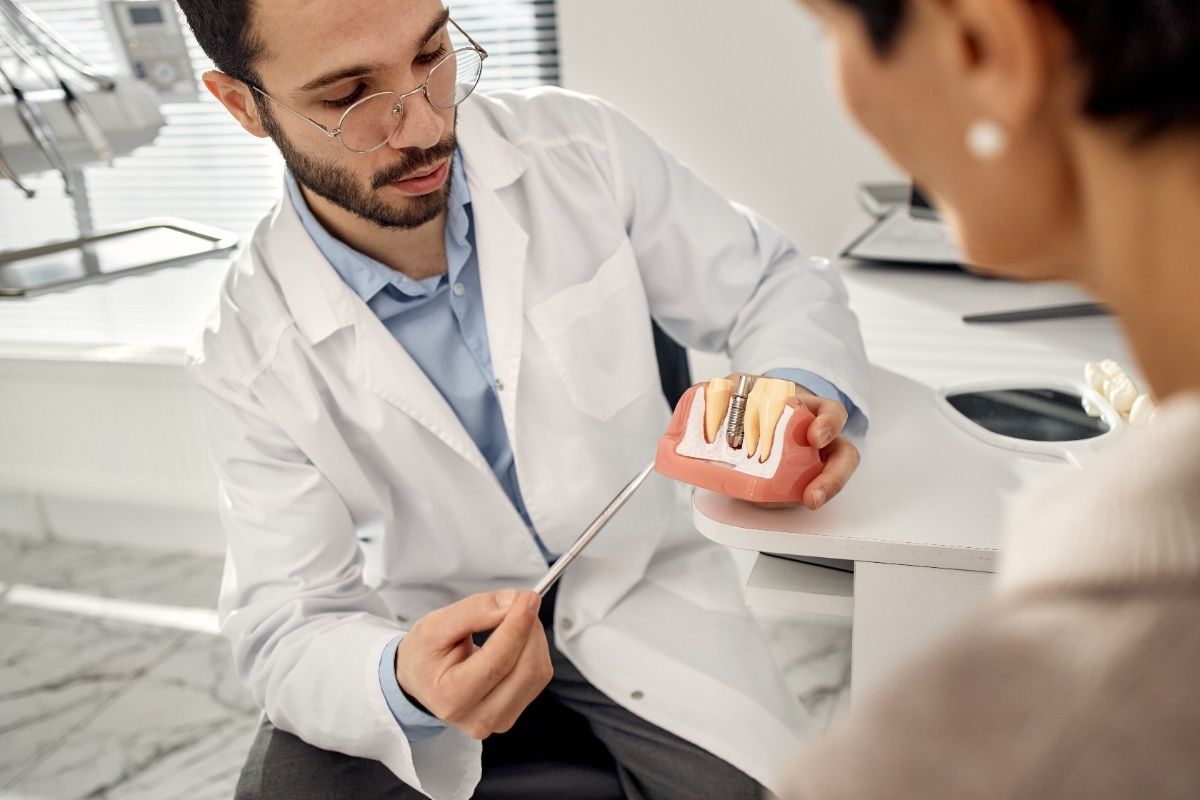
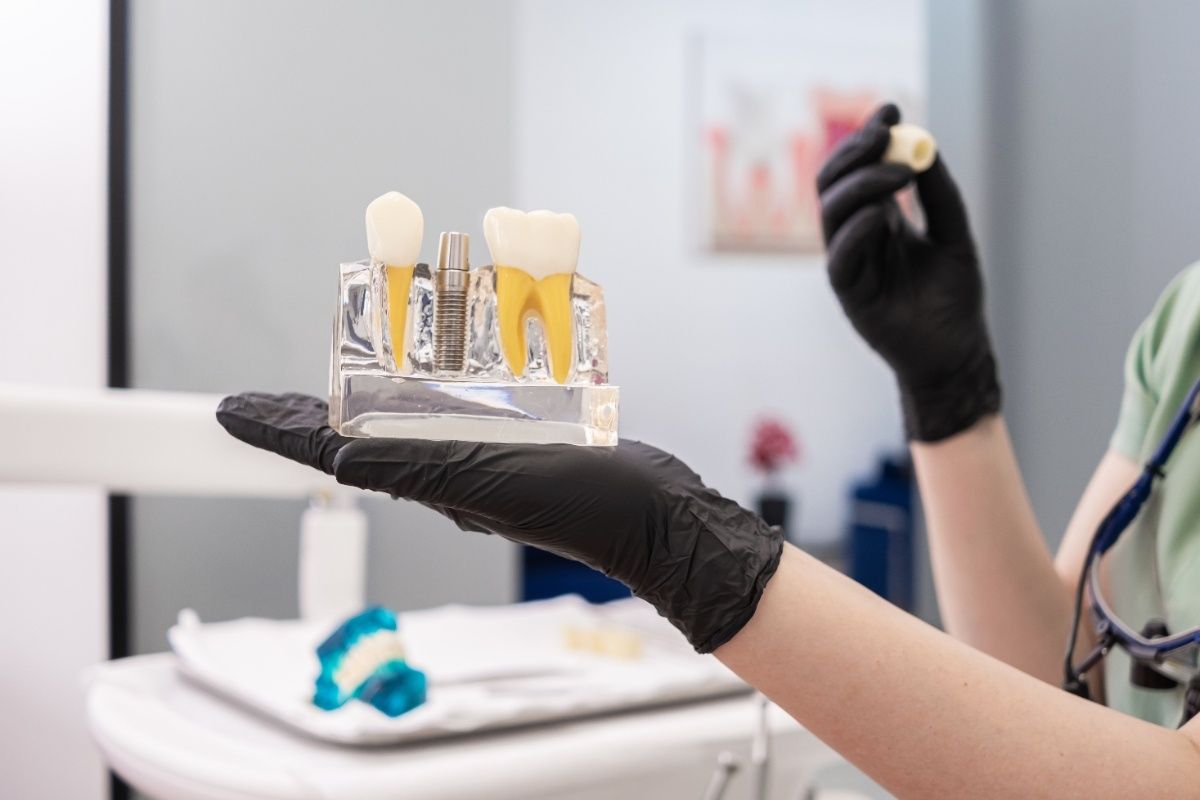
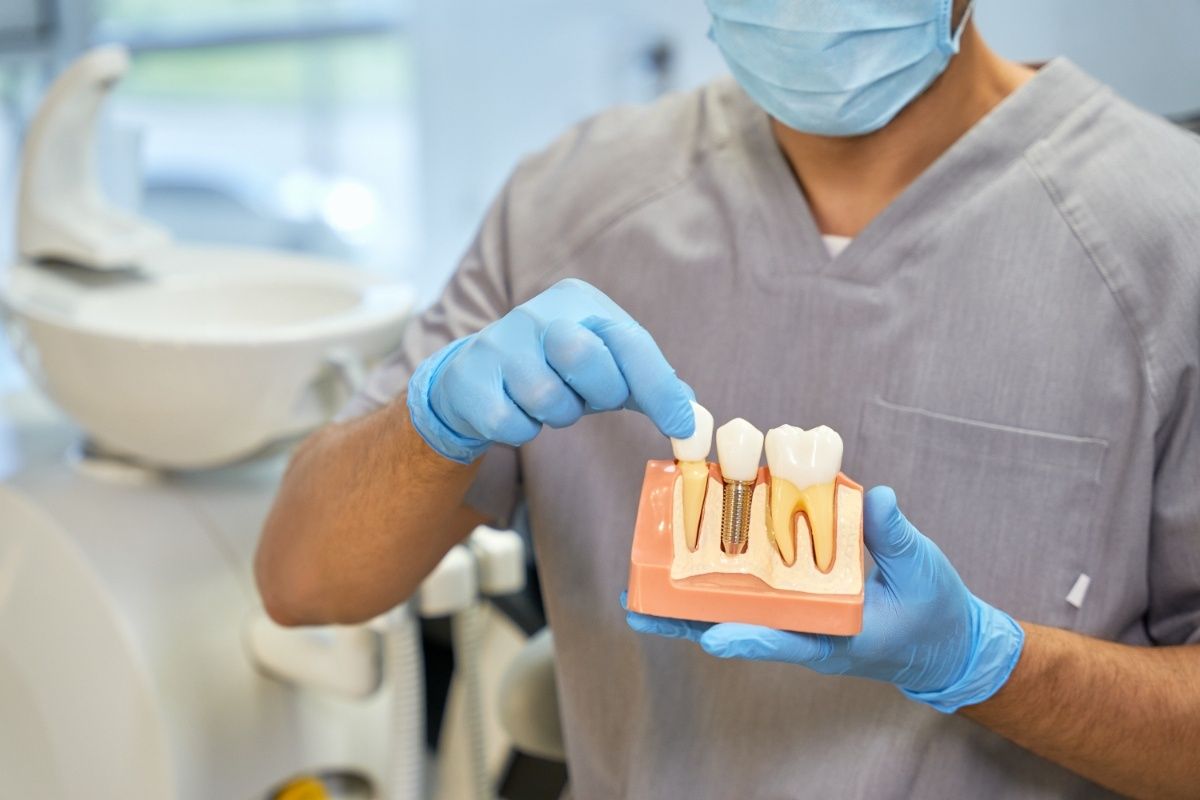
The dental implant process typically involves several steps:
- Consultation and Evaluation: Your qualified dentist in Denton will assess your oral health and determine if you are a candidate for implants.
- Implant Placement: The titanium implant is surgically placed into the jawbone.
- Healing Period (Osseointegration): The implant fuses with the jawbone.
- Abutment Placement: A connector post is attached to the implant.
- Crown Placement: A custom-made crown is attached to the abutment, completing the restoration.
Conclusion
It’s never too late to invest in your smile and overall well-being. Dental implants offer a long-lasting and natural-looking solution for seniors looking to restore their smiles. With advancements in dental technology and personalized treatment plans, seniors can enjoy the benefits of a healthy, confident smile for years to come.
Remember to consult with a qualified dental professional to determine if dental implants are right for you. They can assess your individual needs and create a personalized treatment plan.