940-298-8467

5 Ultimate Care Tips After Dental Implants Treatment
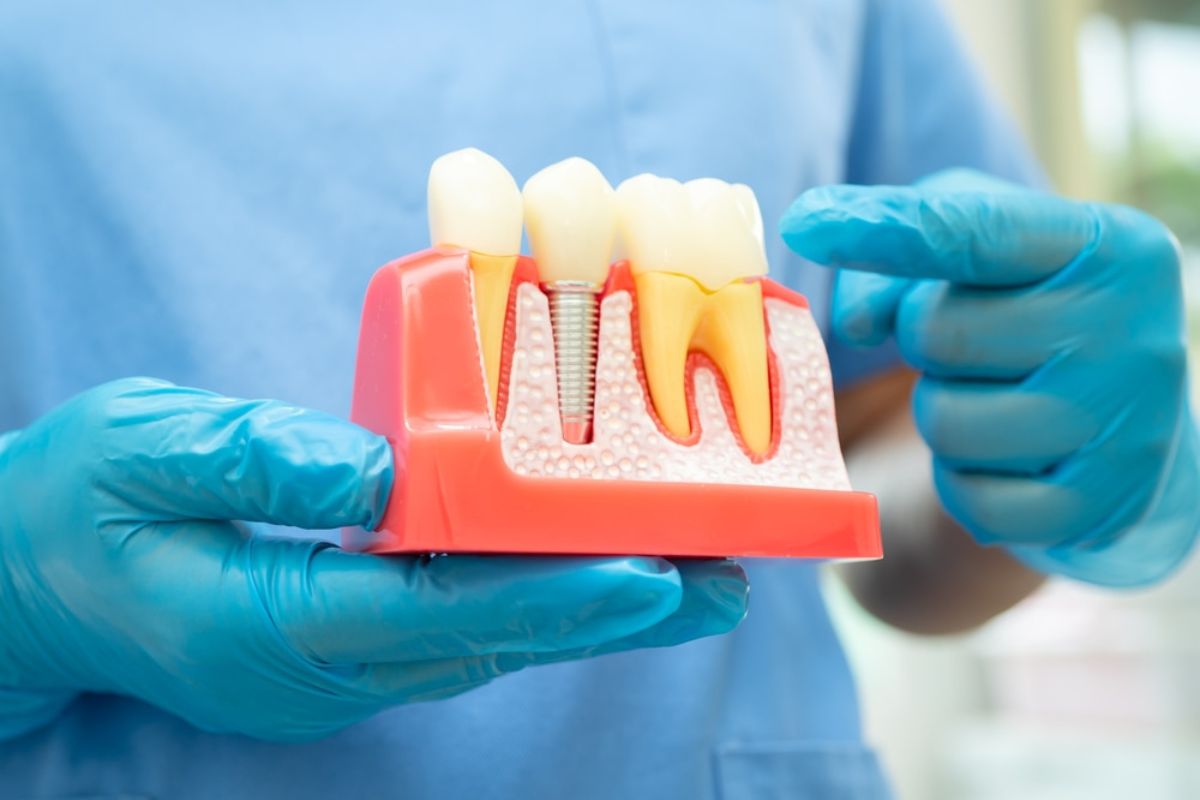
If you’ve recently undergone this life-changing procedure, congratulations on taking the first step towards a healthier and more confident smile. Now that you have your new dental implants in place, it’s crucial to ensure proper care and maintenance for long-lasting results. In this article, we will share five essential tips to help you keep your dental implants in excellent shape. From follow-up visits to healthy eating habits and exercise, we’ve got you covered. So let’s dive in and discover how you can take charge of your oral health after dental implant treatment!
How to take care of dental implants after treatment?
Proper care is essential for maintaining the health and longevity of your dental implants after treatment. Here are some crucial steps to follow:
- Maintain good oral hygiene: Just like with natural teeth, it’s important to brush and floss regularly to keep your implant area clean. Use a soft-bristle toothbrush and non-abrasive toothpaste, gently brushing around the implant site.
- Avoid smoking and excessive alcohol consumption: These habits can delay healing and increase the risk of complications such as infection or implant failure. Quitting smoking altogether will not only benefit your overall health but also improve the success rate of your dental implants.
- Be mindful of what you eat: Immediately after surgery, stick to a soft-food diet recommended by your dentist or surgeon. As you progress in recovery, gradually reintroduce harder foods into your diet while being cautious about biting directly on the implant site.
- Protect against teeth grinding: If you have a habit of grinding or clenching your teeth at night, inform your dentist so they can provide you with a custom-made nightguard to protect both natural teeth and implants from damage.
Remember that regular follow-up visits with your dental professional are vital for ongoing monitoring and maintenance of dental implants! By following these care tips diligently, you can ensure long-term success with minimal complications for your new smile transformation.
Follow up visits for dental implant patients
Once you have undergone dental implant treatment, it is crucial to schedule follow-up visits with your dentist. These regular check-ups are essential for monitoring the healing process and ensuring the long-term success of your implants.
During these follow-up visits, your dentist will examine the implant site and surrounding tissues to ensure that they are healing properly. They may also take X-rays to assess the stability of the implants. This allows them to identify any potential issues early on and address them promptly.
In addition to assessing healing progress, these visits provide an opportunity for your dentist to clean and polish your dental implants. Regular professional cleaning helps prevent plaque buildup around the implant crowns or bridges, reducing the risk of infection or gum disease.
Your dentist will also evaluate how well you are adapting to your new dental implants during these appointments. They may ask about any discomfort or difficulty you’re experiencing while speaking or chewing. This feedback allows them to make any necessary adjustments or modifications.
Remember, follow-up visits play a vital role in maintaining optimal oral health after dental implant treatment. By keeping up with these appointments, you can ensure that your implants remain healthy and functional for years to come!
How to keep your dental implant crowns and bridges healthy?
Taking care of your dental implant crowns and bridges is crucial for maintaining their longevity and ensuring a healthy smile. Here are some tips to help you keep them in tip-top shape.
It’s important to maintain good oral hygiene practices. Brushing your teeth twice a day, flossing daily, and using an antibacterial mouthwash can help prevent plaque buildup around the implant area. This will not only keep your implants clean but also protect your natural teeth.
In addition to regular oral hygiene, make sure to visit your dentist regularly for professional cleanings and check-ups. Your dentist will be able to detect any potential issues early on and provide appropriate treatment if needed.
When it comes to eating, try to avoid hard or sticky foods that may put excessive pressure on the implant crowns and bridges. Opt for softer options like cooked vegetables, lean proteins, and yogurt during the initial healing period.
Protecting your dental implants during physical activities is also essential. If you play sports or engage in high-impact activities, consider wearing a mouthguard or protective gear to prevent any accidental damage.
Refrain from bad habits such as smoking or excessive alcohol consumption as these can negatively affect the health of your implant crowns and overall oral health.
Tips for healthy eating after dental implant treatment
After undergoing dental implant treatment, it’s important to take care of your new teeth to ensure their longevity and functionality. One aspect of post-treatment care is maintaining a healthy diet that supports the healing process and keeps your implants in top condition.
It’s crucial to avoid hard or sticky foods that could exert excessive pressure on your dental implants. Opt for softer options like cooked vegetables, lean proteins such as fish or tofu, and well-cooked grains. These choices will minimize strain on your implants while providing essential nutrients for overall health.
Additionally, be mindful of acidic foods and beverages that can erode tooth enamel. Acidic substances include citrus fruits, tomatoes, vinegar-based dressings, soda, and certain fruit juices. Limiting consumption or rinsing with water immediately after eating can help protect both natural teeth and dental implants.
Maintaining good oral hygiene is also vital during this time. Brush twice daily with a soft-bristled toothbrush using gentle circular motions around the implant area. Floss carefully to remove any food particles lodged between the teeth.
Staying hydrated is key for optimal healing after dental implant treatment. Water not only helps flush out toxins but also promotes saliva production which aids in digestion and protects against dry mouth – a common side effect of some medications taken post-surgery.
Remember: proper nutrition plays an integral role in supporting the success of your dental implant treatment while ensuring long-term oral health!
The importance of exercise after dental implant treatment
Regular exercise is not only important for maintaining overall health and well-being, but it can also play a crucial role in the success of your dental implant treatment. Engaging in physical activity after getting dental implants can promote healing, reduce the risk of complications, and improve long-term outcomes.
Exercise increases blood flow throughout the body, including to the area where the implants have been placed. This enhanced circulation helps deliver essential nutrients and oxygen to support healing and tissue regeneration. Furthermore, regular exercise strengthens the immune system, which is vital for preventing infections that could potentially affect the stability of your implants.
Staying active promotes bone density and strength. Weight-bearing exercises like walking or weightlifting stimulate bone remodeling processes that ensure proper integration of the implant with your jawbone. Stronger bones provide a solid foundation for your dental restorations while minimizing the risk of implant failure over time.
Additionally, incorporating physical activity into your routine can help manage stress levels during recovery. Dental implant procedures may cause temporary discomfort or anxiety; however, engaging in exercise releases endorphins – natural mood boosters – reducing any post-treatment blues you may experience.
However, it’s crucial to consult with your dentist before starting or modifying an exercise regimen after dental implant surgery. They will assess your individual case and provide personalized recommendations based on factors such as treatment complexity or potential limitations related to specific activities.
Remember to start gradually and listen to your body throughout this process. Avoid high-impact sports or activities that put excessive pressure on your jaw until you receive clearance from your dentist. Instead, opt for low-impact exercises like swimming or yoga that promote flexibility without compromising oral health.
The Bottom Line
Taking proper care of your dental implants is crucial for maintaining their longevity and ensuring optimal oral health. By following these ultimate care tips, you can protect your investment and enjoy a beautiful smile for years to come.
Remember to schedule regular follow-up visits with your dentist or implant specialist in Denton. These appointments are essential for monitoring the healing process and addressing any potential issues early on. Don’t neglect these visits as they play a vital role in the long-term success of your dental implants.
To keep your dental implant crowns and bridges healthy, practice good oral hygiene habits such as brushing twice a day, flossing daily, and using an antibacterial mouthwash. Additionally, avoid chewing on hard objects or biting down forcefully to prevent damage to the prosthetic teeth.