940-380-1188
Your Jawbone Is Shrinking: Why Waiting on Implants Gets Harder
Most people don’t realize their jawbone is shrinking until the damage is already done. In Denton, TX, many patients come to see Dr. Glenn Vo at Denton Smiles Dentistry after years of putting off tooth replacement. By then, the process of getting implants has become significantly more complicated. Understanding why waiting on implants gets harder in Denton starts with understanding what happens beneath your gums when a tooth goes missing.
Every day without a tooth root, your jawbone loses density. This process is called resorption, and it happens faster than most people expect. Within the first year of losing a tooth, you can lose up to 25% of the surrounding bone. That bone loss doesn’t stop — it continues for years.
Why Your Jawbone Needs Tooth Roots to Survive
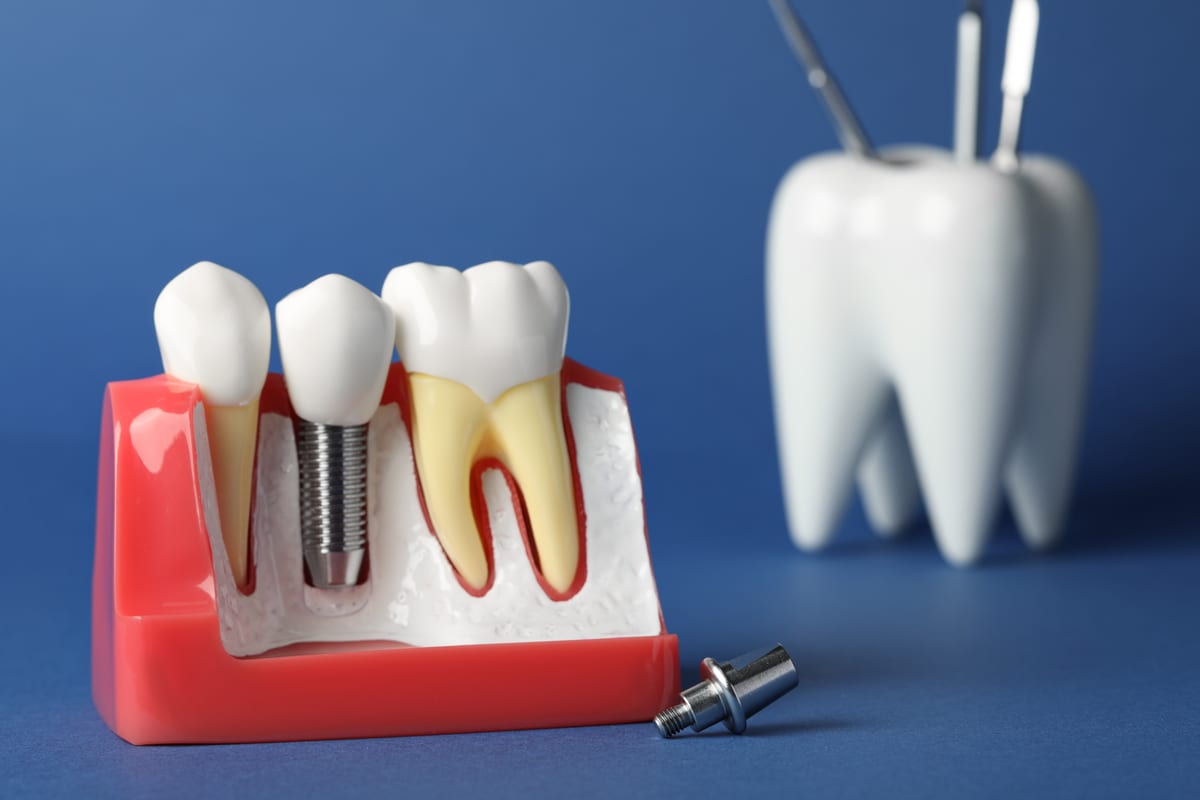
Your teeth do more than help you chew. Their roots send constant signals to your jawbone, stimulating it to stay dense and healthy. When a tooth is lost, those signals disappear. Your body treats the empty space as unnecessary and begins redirecting bone minerals elsewhere.
Think of it like a muscle that stops being used. Without regular stimulation, it atrophies. Your jawbone works the same way. Dental implants are the only tooth replacement option that mimics a natural root — which is exactly why they preserve bone better than dentures or bridges.
The longer the gap in your jaw goes unfilled, the less bone remains to anchor a future implant. That’s the core reason why waiting on implants gets harder over time, especially for patients in Denton who may have delayed treatment for years.
Warning Signs You May Have Already Waited Too Long in Denton
Not everyone realizes how far bone loss has progressed. Your body gives warning signs, but they’re easy to dismiss as normal aging. Knowing what to look for can help you act before it’s too late for a straightforward implant procedure.
Here are key warning signs that bone loss may already be significant:
- Shifting or drifting teeth — Neighboring teeth lean into the gap left by a missing tooth
- Difficulty chewing — Certain foods become harder to manage, especially on one side
- A sunken or collapsed facial appearance — Cheeks look hollow or the chin appears closer to the nose
- Loose-fitting dentures — Existing dentures no longer stay in place as the bone shrinks
- Jaw pain or clicking — Bite changes from shifting teeth strain the jaw joint
- Bone showing on X-rays — Dr. Vo can identify resorption on dental imaging before you feel it
If any of these signs sound familiar, don’t wait any longer. These symptoms suggest bone loss is already underway. Acting now gives you better options and a simpler treatment path.
What Happens When There Isn’t Enough Bone for Implants
When patients come in with advanced bone loss, implants are still possible — but the process becomes more involved. Bone grafting is often required to rebuild the jaw before an implant can be placed. This adds time, cost, and recovery to your treatment plan.
A bone graft uses donor material or your own bone to rebuild the area. After grafting, you typically need four to six months of healing before the implant can be placed. Then the implant itself requires several more months to fuse with the jaw. What could have been a straightforward procedure becomes a multi-phase process.
Some patients also develop dental emergencies related to shifting teeth or compromised adjacent teeth. In those cases, Emergency Dental Services Denton can help stabilize the situation before a longer-term plan is made.
In severe cases, implants may not be possible at all without major reconstruction. This is rare but real. Catching bone loss early gives Dr. Vo more tools and options to help you.
Shifting Teeth and Hidden Complications
One of the most overlooked consequences of a missing tooth is what it does to the teeth around it. When a gap exists, neighboring teeth slowly drift toward it. Teeth above the gap may over-erupt, growing downward without resistance.
This shifting changes your entire bite. An uneven bite puts extra pressure on specific teeth, wearing them down faster. It can also cause jaw joint strain, headaches, and chronic discomfort. Over time, some patients develop problems that require treatments like Root Canals Endodontics Denton to address damage to affected teeth.
Correcting a shifted bite may also require orthodontic work before implants can be placed. Again, this adds time and complexity to what could have been a simpler solution. The ripple effects of one missing tooth are more significant than most patients anticipate.
Here’s a quick look at how delays affect your treatment options:
- Lost tooth under 6 months ago — Implant placement is often straightforward with minimal bone loss
- Lost tooth 1–3 years ago — Some bone loss likely; a bone graft may be needed
- Lost tooth 3+ years ago — Significant resorption is common; grafting and longer timelines are expected
- Multiple missing teeth for years — Facial structure changes may be visible; reconstruction may be necessary
Why Denton Patients Should Act Sooner Rather Than Later
Dr. Glenn Vo and the team at Denton Smiles Dentistry see patients at every stage of tooth loss. Those who act early consistently have better outcomes and simpler procedures. Those who wait often face more complex treatment plans — through no fault of their own, but simply because time changes what’s possible.
The goal at Denton Smiles Dentistry is never to pressure patients. It’s to educate you so you can make the best decision for your health. Dental implants are an investment in your long-term quality of life. They protect your bone, stabilize neighboring teeth, and restore your ability to eat and speak comfortably.
If you’ve been putting off replacing a missing tooth, now is genuinely the best time to come in. A consultation with Dr. Vo includes a full evaluation of your bone density and an honest conversation about what treatment makes sense for you.
Your jawbone is shrinking every day without a tooth root — but the right care at the right time can stop that process and restore your smile. Book Now to schedule your appointment with our team.
Frequently Asked Questions
How quickly does jawbone loss happen after losing a tooth?
Bone loss begins almost immediately after a tooth is extracted. Studies show that up to 25% of the surrounding bone can be lost within the first year. The process slows over time but continues for years without a replacement tooth root in place.
Can I still get a dental implant if I’ve had a missing tooth for several years?
In many cases, yes — but the process may be more complex. If significant bone loss has occurred, Dr. Glenn Vo may recommend a bone graft to rebuild the area before placing an implant. A thorough evaluation will determine what’s possible for your specific situation.
What does bone grafting involve, and how long does it take?
A bone graft involves placing bone material in the area where your jaw has thinned. This material integrates with your existing bone over four to six months. After healing, the implant can be placed. The full process with grafting typically spans nine to eighteen months depending on the individual.
Are dental implants the only way to stop jawbone loss?
Dental implants are the only tooth replacement option that directly stimulates the jawbone the way a natural tooth root does. Dentures and bridges replace the visible tooth but don’t address the root-level stimulation needed to maintain bone density. For long-term bone preservation, implants are the gold standard.
What should I do if I notice my teeth shifting after losing a tooth?
Contact Denton Smiles Dentistry as soon as possible. Shifting teeth are a sign that bone loss and bite changes are underway. The sooner Dr. Vo evaluates your situation, the more treatment options you’ll have. Early action almost always leads to simpler, more effective outcomes.