940-380-1188
How To Treat Changes in Mouth Taste After Orthodontic Treatment?
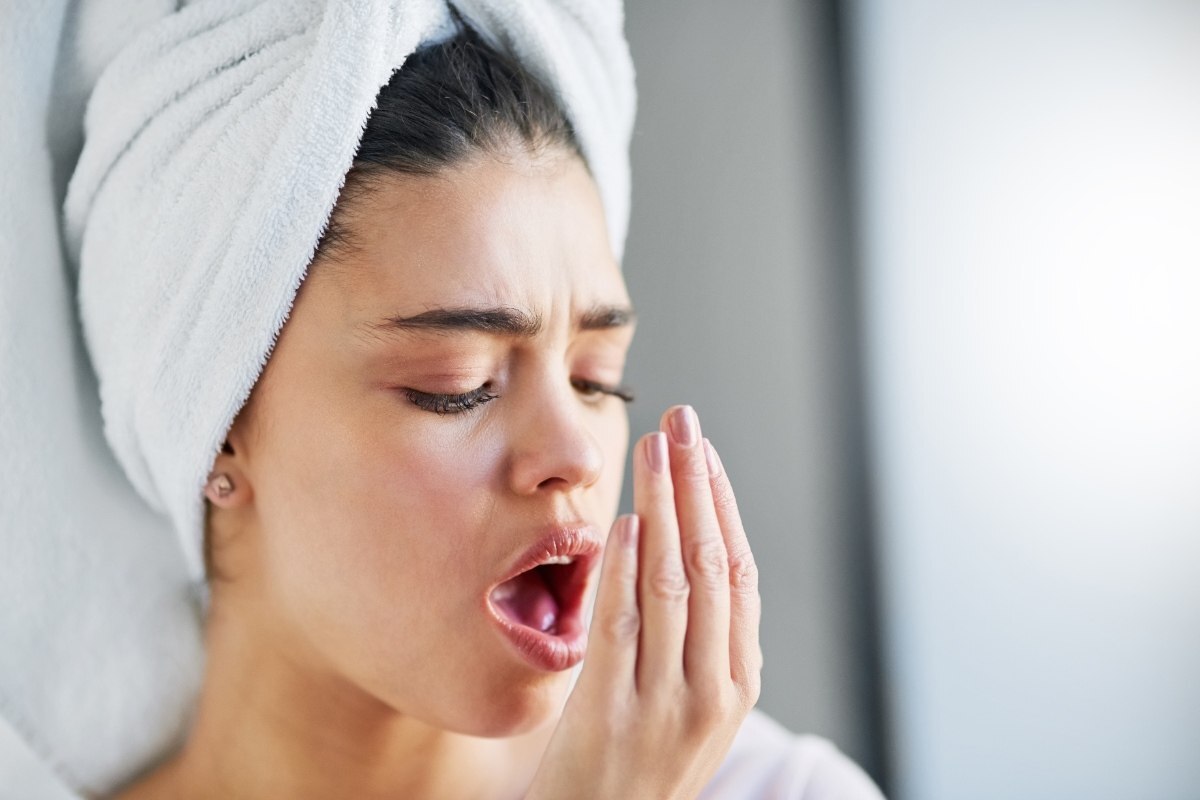
Have you noticed a metallic taste, unusual bitterness, or a change in how sweet and salty foods taste after orthodontic treatment? If so, you may wonder whether braces, clear aligners, or your retainer is to blame. Taste changes can be frustrating, especially after treatment when you expect your mouth to feel normal again.
For patients in Denton, TX, understanding the cause is the first step toward relief. Your symptoms might be related to dry mouth, plaque buildup, oral hygiene products, medications, or another condition that needs attention. Although mild taste changes may improve on their own, persistent symptoms deserve a professional evaluation.
At Denton Smiles Dentistry, Dr. Tony Nguyen understands the importance of maintaining good oral health after orthodontic treatment. Learning how saliva, oral bacteria, and dental appliances affect taste can help you make informed decisions about your care.
Are you experiencing a metallic taste, a dry tongue, or food that suddenly tastes different? Keep reading to learn practical ways to manage these symptoms, recognize warning signs, and determine when to schedule a dental appointment.
Can Orthodontic Treatment Change Your Sense of Taste?
Yes, some patients experience temporary taste changes during orthodontic treatment. However, orthodontic appliances are not necessarily the cause of every unusual taste sensation.
A randomized controlled trial published in Clinical Oral Investigations in December 2025 examined taste perception in 128 adolescents aged 10–19. Researchers assigned 64 participants to fixed orthodontic treatment and 64 to a control group. At six weeks, the treatment group showed changes in the perception of certain sweet and bitter tastes, but the researchers found no significant differences between the treatment and control groups across the measured taste categories.
These findings suggest that orthodontic treatment in Denton can cause minor changes, but they do not establish that braces routinely cause taste disorders.
Taste perception involves several interacting systems. Your taste buds detect five basic tastes: sweet, salty, sour, bitter, and savory. Smell, texture, temperature, and other sensations also influence how you experience food.
According to the National Institute on Deafness and Other Communication Disorders, people who believe they have lost their sense of taste may actually have a reduced sense of smell. This distinction matters because the appropriate treatment depends on the underlying cause.
What Causes Taste Changes After Orthodontic Treatment?
Identifying the cause is essential before choosing a treatment. Several factors may contribute to an unusual taste after braces or clear aligner therapy.
1. Dry Mouth and Reduced Saliva
Saliva dissolves food chemicals, so taste receptors can detect them. It also washes away food particles, protects oral tissues, and helps control harmful acids.
When saliva production decreases, food may taste bland, bitter, or unusually salty. You might also notice a sticky feeling, difficulty swallowing dry foods, or persistent bad breath.
The American Dental Association (ADA) identifies dry mouth as a condition that can interfere with tasting, chewing, swallowing, and speaking. A review cited by the ADA estimated that about 22% of the global population experiences xerostomia, though prevalence varies by population and definition.
Orthodontic appliances do not automatically cause reduced saliva production. However, changes in oral habits, dehydration, mouth breathing, or medications taken during treatment may contribute to dryness.
2. Plaque Buildup Around Teeth and Retainers
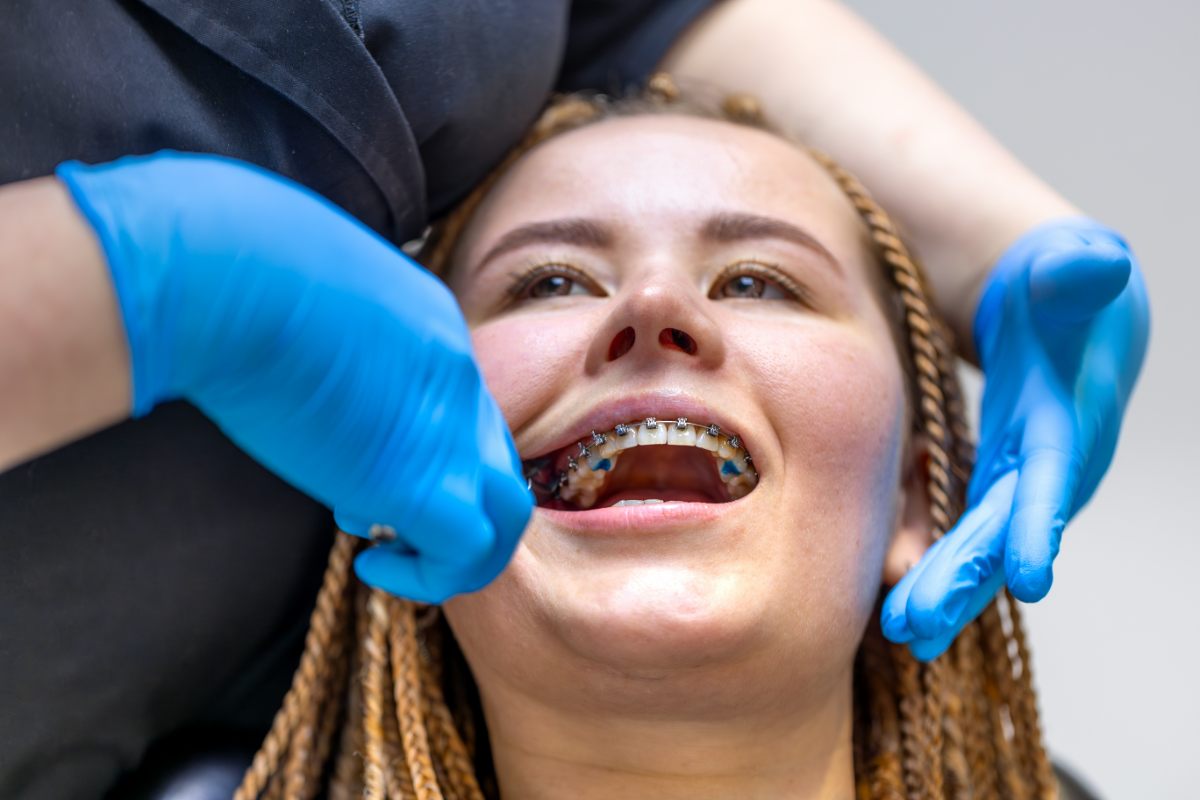
Braces in Denton create additional surfaces where food particles and plaque can collect. If cleaning becomes difficult, bacteria may accumulate around brackets, between teeth, and along the gumline.
Clear aligners and retainers also require regular cleaning. If you don’t clean an appliance properly, it can trap debris against your teeth and contribute to unpleasant odors or tastes.
Plaque buildup may also cause gingivitis, which can lead to swollen gums and bleeding during brushing. Blood in the mouth may produce a metallic taste.
Thorough brushing, daily interdental cleaning, and proper appliance care can help reduce these problems.
3. Oral Hygiene Products and Mouthwash
Some toothpastes, mouthwashes, and whitening products can temporarily change how food tastes. Strong flavors, certain ingredients, or irritation from the product may leave an unusual aftertaste.
If your symptoms started after introducing a new oral hygiene product, review when you began using it and whether the timing matches your symptoms.
Choose a fluoride toothpaste and avoid products that cause burning or irritation. If a prescribed mouth rinse appears to be contributing to the problem, contact the prescribing dental professional before changing how you use it.
4. Medications and Medical Conditions
Taste changes may occur for reasons unrelated to orthodontic treatment. Certain antibiotics, antihistamines, antidepressants, and other medications can affect taste directly or contribute to dry mouth.
Other possible causes include respiratory infections, allergies, oral infections, nutritional problems, and some systemic health conditions.
The National Institute of Dental and Craniofacial Research (NIDCR) identifies medications, poor oral hygiene, dental problems, and infections among the potential causes of taste disorders.
If you recently started a medication or developed another symptom, share that information with your dentist or physician. Never stop a prescribed medication without guidance from the prescribing healthcare professional.
How To Treat Taste Changes After Orthodontic Treatment
The right approach depends on whether your symptoms are related to dryness, plaque, irritation, infection, or another condition. The following steps may help while you determine the cause.
1. Drink Water Regularly
Start by staying adequately hydrated throughout the day. Sip water regularly, especially when your mouth feels dry or food tastes unusually strong.
Water can help rinse away food debris and make eating more comfortable. Keep water nearby at work, school, or while traveling around Denton.
Limit excessive caffeine and alcohol if they worsen dryness. Avoid using sugary drinks to compensate for a reduced sense of taste, because frequent sugar exposure can increase the risk of tooth decay.
2. Brush Your Teeth and Clean Your Tongue
Brush twice daily with fluoride toothpaste and clean between your teeth every day. Pay particular attention to the gumline, the areas where brackets were attached, and the surfaces that contact removable appliances.
Gently clean your tongue with a soft toothbrush or tongue scraper. Avoid aggressive scraping, which can irritate the tissue.
The NIDCR notes that brushing or scraping the tongue, along with professional dental cleaning to remove hardened deposits, can improve taste in some people with taste disorders.
If you have recently had braces removed, ask your dental professional whether a cleaning is appropriate based on your gum health and current symptoms.
3. Clean Your Retainer or Clear Aligner Correctly
A removable appliance can collect saliva, plaque, and food debris. Follow the cleaning instructions from your orthodontic provider or the appliance manufacturer.
In general, you should:
- Rinse the appliance after removing it, as directed.
- Clean it with an appropriate appliance-cleaning product or a method recommended by your provider.
- Avoid hot water that could distort the appliance.
- Store it in its designated case when it is not being worn.
- Brush your teeth before reinserting it whenever possible.
Do not use household bleach, abrasive cleaners, or boiling water unless a specific product’s instructions explicitly permit them. Improper cleaning can damage an appliance or irritate oral tissues.
If a retainer still smells unpleasant despite proper cleaning, schedule a professional assessment.
4. Stimulate Saliva Production
If dry mouth is contributing to the altered taste, sugar-free gum or sugar-free lozenges may help stimulate saliva production when appropriate.
The ADA also recommends strategies such as sipping water, using saliva substitutes, and considering additional preventive care for patients with dry mouth.
You can try the following:
- Chew sugar-free gum after meals if you can.
- Use an oral moisturizer or saliva substitute designed for dry mouth.
- Avoid tobacco and reduce substances that worsen dryness.
- Consider a humidifier if the air in your bedroom is particularly dry.
Persistent dry mouth should not be ignored. Saliva protects your teeth, and reduced salivary flow can increase the risk of cavities, tooth sensitivity, and oral infections.
5. Choose Foods That Are Comfortable to Eat
When food tastes different, focus on balanced meals with varied textures and naturally aromatic ingredients.
Fresh herbs and mild seasonings may make meals more enjoyable without requiring excessive salt or sugar. If your mouth is dry or irritated, softer foods and water with meals may improve comfort.
Avoid repeatedly adding salt or sugar to compensate for reduced taste. If altered taste causes you to eat substantially less, lose weight unintentionally, or struggle to maintain a balanced diet, discuss these concerns with your healthcare provider.
6. Review Your Oral Care Routine
Think about what changed shortly before the symptoms appeared. Did you start using a new toothpaste, whitening treatment, mouthwash, medication, or retainer-cleaning solution?
A brief symptom diary can help you spot patterns. Record when the taste change began, which foods seem affected, whether your mouth feels dry, and any other symptoms.
If a nonprescription product appears to trigger irritation, ask your dentist about an alternative. Do not discontinue prescribed products without professional advice.
7. Schedule a Dental Examination
Home care may help with mild symptoms, but it cannot identify every cause of altered taste.
A dentist can examine your teeth, gums, tongue, and oral tissues; assess plaque accumulation and signs of infection; review your medications and dental history; and determine whether additional testing or a medical referral is appropriate.
At Denton Smiles Dentistry, Dr. Tony Nguyen can help evaluate oral health concerns and discuss suitable next steps based on your symptoms.
How Long Do Taste Changes Last After Braces?
The duration depends on the cause. A temporary aftertaste related to food residue or an oral hygiene product may improve after the source is removed. Taste changes associated with a short-term illness may improve as the illness resolves.
In the 2025 orthodontic study described earlier, researchers assessed taste perception six weeks after treatment began. Although some within-group changes were observed, the study did not demonstrate a significant overall difference between the orthodontic and control groups.
This does not establish a universal recovery timeline. The study involved adolescents receiving fixed orthodontic treatment and cannot predict how quickly every adult or patient using clear aligners will recover.
If your symptoms persist, worsen, or return repeatedly, schedule an evaluation instead of assuming they are a normal part of orthodontic recovery.
When Should You Seek Professional Help?
A mild, temporary taste change may not be an emergency. However, you should have persistent or unexplained symptoms assessed, especially if they’re accompanied by other oral health concerns.
Schedule a dental appointment if you notice:
- A metallic, bitter, or foul taste that does not improve.
- Bleeding, swollen, or tender gums.
- Persistent dry mouth or burning sensations.
- White patches, sores, or unusual changes in your tongue.
- Ongoing bad breath despite careful oral hygiene.
- Difficulty eating because food tastes unpleasant.
A dentist may recommend evaluation by a physician or an ear, nose, and throat specialist if the cause appears to be medical, medication-related, or associated with smell dysfunction.
Seek urgent medical care if taste changes occur with facial swelling that affects breathing or swallowing, or with sudden neurological symptoms such as facial weakness, confusion, or difficulty speaking.
How Denton Smiles Dentistry Can Help
Taste changes can have several possible causes, so treatment should be based on a careful assessment rather than guesswork.
A dental exam can identify plaque-related problems, gum inflammation, dry mouth, and other conditions that may affect how your mouth feels and functions. Your dentist can also advise you on appliance hygiene, preventive care, and whether another healthcare professional should evaluate your symptoms.
Dr. Tony Nguyen and the team at Denton Smiles Dentistry can help you understand your oral health concerns and discuss practical steps toward better daily comfort.
Whether your symptoms began during orthodontic treatment or appeared after your braces were removed, getting the right guidance can help you avoid unnecessary worry and address problems early.
Conclusion
Taste changes after orthodontic treatment can be confusing, particularly when foods suddenly taste metallic, bitter, or less flavorful. Although research suggests that minor changes in taste perception may occur during fixed orthodontic treatment, braces are not the only possible explanation.
Dry mouth, plaque buildup, oral hygiene products, medications, infections, and changes in smell can all influence taste. Drinking water regularly, maintaining good oral hygiene, cleaning retainers properly, and using appropriate dry-mouth products may relieve symptoms if these factors contribute.
Persistent or worsening changes deserve professional attention. Dr. Tony Nguyen at Denton Smiles Dentistry can help assess your oral health and recommend an appropriate course of action.
Visit our dental practice in Denton, TX. Book now to schedule your appointment with our team and discuss any unusual taste changes or other oral health concerns.
Frequently Asked Questions
1. What dental services can I ask about at Denton Smiles Dentistry?
Patients can contact our dental team to discuss their oral health concerns, preventive care, and potential treatment options. Our dentist can evaluate your needs and explain which services may be appropriate for your situation.
2. How often should I visit the dentist?
Many patients benefit from dental checkups every six months, but the appropriate schedule depends on individual oral health needs and risk factors. Our dentist can recommend a visit schedule based on your dental history, gum health, and risk of tooth decay.
3. What should I bring to my dental appointment?
Bring a list of medications and supplements you take, information about relevant medical conditions, and details about your symptoms. If your taste changed after orthodontic treatment, mention when it began and whether you use a retainer or clear aligner.
4. Can I schedule a dental appointment if I have unusual taste changes?
Yes. Persistent or unexplained taste changes are a reasonable reason to request an evaluation. Our dentist can examine your mouth, discuss possible causes, and determine whether further assessment or a referral is needed.
5. How can I schedule an appointment at Denton Smiles Dentistry?
Contact our dental practice to ask about available appointment times and explain your concerns. Our team can help you understand the next steps for arranging a visit with our dentist in Denton, TX.