940-298-8467

How To Remove Brown Spots On Teeth After Braces?
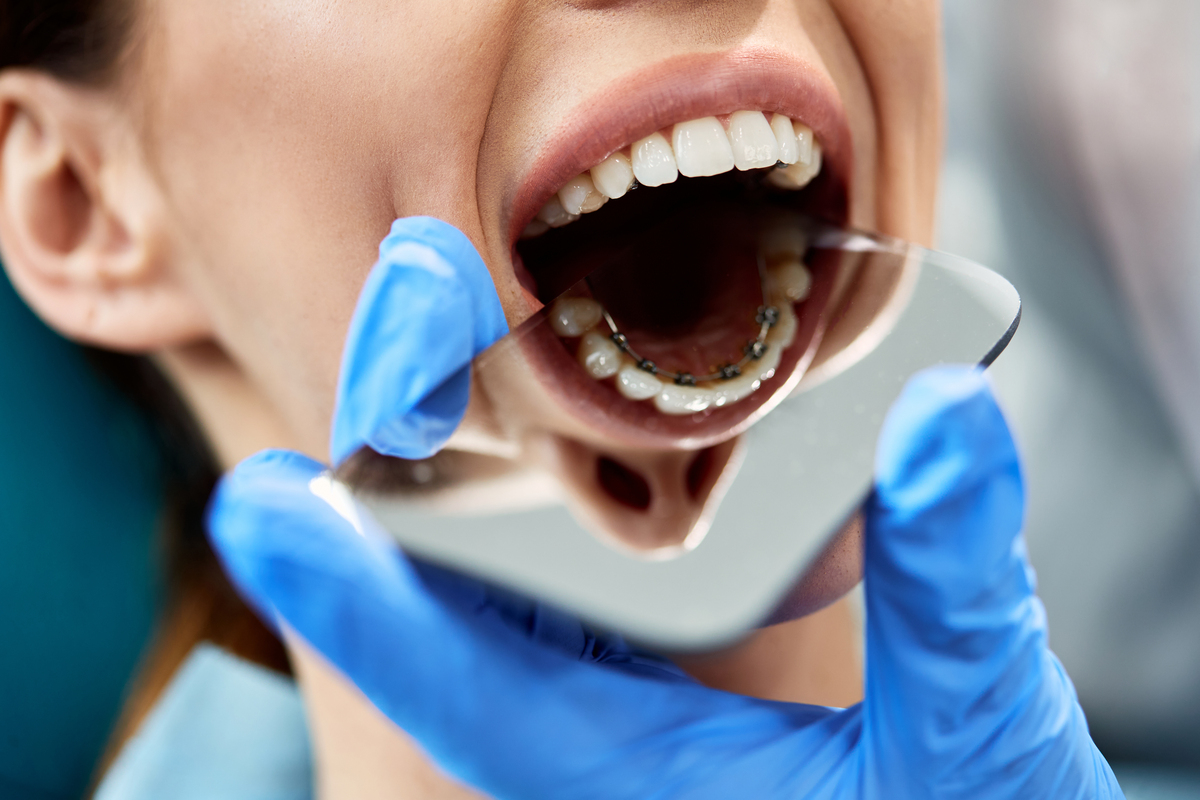
You did it! After months (or maybe years) of “tightening” appointments, avoiding popcorn like the plague, and mastering the art of the floss threader, your braces are finally off. You look in the mirror, ready to see that Hollywood smile, but instead of pearly whites, you notice something frustrating: mysterious brown or yellowish spots right where your brackets used to be.
First off, take a deep breath. You aren’t alone. In fact, research published in the American Journal of Orthodontics and Dentofacial Orthopedics (AJODO) suggests that between 50% and 95% of orthodontic patients experience white spot lesions (WSLs), which can quickly turn brown due to staining or decay if not addressed immediately.
So, why did this happen, and more importantly, how do we fix it? Whether you’re a teen heading into senior year or an adult finally enjoying a straight smile, this guide will walk you through the science, the stats, and the solutions for removing brown spots after braces.
Brown Spots After Braces: What’s Really Going On?
First, let’s clarify the difference between white spots and brown spots:
- White spots are often the early sign of enamel demineralization, caused by plaque buildup that weakens the surface of your tooth enamel around brackets. These are common with braces because brackets and wires create nooks where food and bacteria hide. Studies show that 23% to 50% of patients develop new white spot lesions during orthodontic treatment, and in some assessments, up to 60% prevalence after months of treatment.
- Brown spots, on the other hand, usually appear when enamel damage progresses further, and staining occurs from pigments in foods or drinks, tartar buildup, or decay. These are often considered worse than simple white spots because they can reflect deeper enamel wear or a buildup of stains.
In essence, white/opaque spots represent demineralization; brown spots often represent staining + deeper enamel compromise.
How Common Are These After Braces?
Dental research shows that fixed braces increase the difficulty of keeping teeth clean, which in turn increases the risk of enamel demineralization — the precursor to visible spots:
- About 23.4% of orthodontic patients developed at least one white spot lesion during treatment, especially on front teeth.
- Other clinical reviews report enamel demineralization incidence rates during fixed appliance treatment of ~23% to ~46%.
- One study reported that up to 60% of orthodontic patients developed white spot lesions after several months of wearing braces.
Once enamel is demineralized, it becomes more vulnerable to stain penetration, which is how brown spots often emerge.
Why Brown Spots Form After Braces
Enamel Demineralization + Bacterial Plaque
Brackets and wires trap food and bacteria, making plaque more persistent. Plaque contains acid‑producing bacteria that erode enamel minerals. Over time, this can turn chalky white spots into deeper stains or brown decay.
Diet & Pigmented Foods
Dark‑colored drinks like coffee, tea, soda, and red wine, or foods with intense colorants (berries, soy sauce), stick to enamel imperfections and deepen stains.
Tartar Build‑Up
When plaque isn’t removed regularly, it hardens into tartar. Tartar can look yellow or brown and often collects around the gum line and previous bracket sites.
Other Factors
Smoking, tobacco use, old, decayed fillings, and even aging all contribute to brown discoloration that becomes noticeable after braces are removed.
How To Remove Brown Spots After Braces
Let’s go from spotty to spotless — here are practical options, from at‑home care to professional treatments.
Professional Dental Cleaning (Baseline Step)
Before considering cosmetic fixes, schedule a professional cleaning. Dental hygienists can remove hardened tartar and surface stains that regular brushing can’t handle. If brown spots are mostly extrinsic stains, this simple step can dramatically improve appearance.
Recommended for: Brown spots caused by tartar/staining.
Teeth Whitening (Professional & At‑Home Options)
Whitening can lighten stains around spots, making them less noticeable. This is often recommended after braces are removed — but don’t whiten while braces are on; it can cause uneven results.
- In‑office whitening: Faster and more powerful.
- Take‑home whitening trays or strips: Daily use over several weeks can help.
Best for: Surface stains that haven’t penetrated deeply into enamel.
Remineralization Therapy
For spots that are early demineralization or just beginning to discolor:
- Fluoride varnishes and gels help re‑deposit minerals into enamel.
- Calcium phosphate pastes (e.g., MI Paste) can aid remineralization.
Note: These therapies are most effective early on — before deep staining or decay. Ask your qualified dentist in Denton about options. This can sometimes improve appearance without drilling.
Microabrasion
A gentle sanding of the outer enamel layer can reduce or remove superficial brown or white spots. Dental professionals generally do this and may require removing a tiny layer of enamel.
Best for: Stubborn spots that don’t respond to remineralization or whitening.
Resin Infiltration (ICON Treatment)
A minimally invasive cosmetic option where a tooth‑colored resin is infiltrated into the spot to blend it with the surrounding enamel color. It doesn’t remove deep enamel but visually neutralizes spots.
- Effective for white and some brown spots.
- Conservative compared to veneers.
Dental Bonding or Veneers
If brown spots are severe or structural enamel loss has occurred, cosmetic restoration may be needed.
- Bonding: Tooth‑colored resin covers the discolored area.
- Veneers: Thin porcelain shells permanently attached to the tooth front.
These options offer dramatic improvement but are more invasive and costly.
Daily Care Tips to Fade or Prevent Spots
Even with professional care, consistent home habits make a huge difference:
Brush and Floss Like It Matters
- Brush after every meal with fluoride toothpaste — especially right after braces come off.
- Use an electric toothbrush or orthodontic brush head to reach tricky spots.
Rinse with Fluoride Mouthwash
Boosts enamel strength and reduces ongoing demineralization.
Watch Your Diet
Limit sugar, soda, energy drinks, coffee, and wine — they can stain and feed plaque bacteria. Rinse or brush soon after consuming colored foods.
Don’t Smoke
Tobacco intensifies stains on enamel and hardens plaque, making them harder to lift.
See Your Dentist Regularly
Routine checkups help catch issues early — before spots turn into cavities.
Expert Tips Most People Miss
✔ Don’t try whitening while braces are still on — it can cause uneven color when the brackets come off.
✔ Fluoride treatments during braces significantly reduce enamel damage. Ask your ortho or dentist.
✔ Staining is often a sign of enamel vulnerability — not just cosmetic dentistry.
Conclusion
Seeing brown spots after your braces come off can feel like a “fail,” but it’s actually a prevalent part of the orthodontic journey. The most important thing to remember is that enamel can often be repaired. With modern techniques like ICON Resin Infiltration and hydroxyapatite, those spots don’t have to be permanent. Your first step should be a visit to your general dentist in Denton for a professional cleaning and an assessment. They can tell you if the spots are simple stains or something that requires a bit more “science” to fix.
You worked hard for that straight smile—don’t let a few spots keep you from showing it off!
FAQs
1. Are brown spots permanent after braces?
Not always — if stains are superficial or early enamel weakening, whitening, remineralization, or microabrasion can significantly reduce or eliminate them. Severe structural damage may need cosmetic restoration.
2. Can I whiten my teeth right after braces?
Yes! Whitening after braces are removed is ideal because brackets block whitening effects during treatment and can cause uneven color.
3. Do brown spots mean I have cavities?
Not necessarily, but they can indicate enamel weakening. Your dentist should evaluate them to rule out decay.
4. Can toothpaste alone remove these spots?
Regular fluoride toothpaste helps prevent additional damage, but it typically cannot entirely remove established brown staining on its own.
5. How long will professional treatments last?
Results vary by treatment: Whitening might last months to years (with proper care), resin infiltration and bonding can last several years, and veneers may last 10+ years with good maintenance.