940-380-1188
How Does A Pediatric Emergency Dentist Treat Children with Sedation Dentistry?
A sudden toothache, a broken tooth during sports, or a dental injury after a fall can turn an ordinary day into a stressful experience for any family. For children, the situation can be even more difficult when fear of dental instruments or discomfort makes it hard to receive treatment. If your child needs urgent dental care in Denton, TX, you may wonder whether sedation dentistry can help make the visit more comfortable.
The answer depends on your child’s symptoms, age, medical history, and the treatment required. A pediatric emergency dentist may recommend an appropriate sedation option to reduce anxiety and help a child cooperate during necessary dental procedures. Sedation does not replace treatment for the underlying problem, and it isn’t appropriate for every child or emergency.
At Denton Smiles Dentistry, Dr. Tony Nguyen can help families understand their dental care options and why it’s important to address urgent symptoms promptly. Knowing what to expect can help you make informed decisions when your child needs professional attention.
Has your child complained of severe tooth pain, chipped a tooth, or developed swelling around the gums? Read on to learn how emergency dental treatment and sedation work together, which options may be considered, and when your child needs immediate medical care.
What Is Pediatric Emergency Dentistry?
Pediatric dentistry in Denton focuses on evaluating and treating urgent dental problems in children. These problems can involve baby teeth or permanent teeth and may result from tooth decay, infection, accidents, or sports injuries.
Common pediatric dental emergencies include:
- Severe or persistent toothaches.
- Broken, cracked, or knocked-out teeth.
- Dental abscesses and localized swelling.
- Injuries to the lips, gums, or other oral tissues.
- Lost fillings or crowns that cause pain.
- Dental injuries that interfere with eating or sleeping.
Prompt evaluation matters because some dental problems can worsen without appropriate treatment. According to the Centers for Disease Control and Prevention (CDC), approximately 11% of children ages 2–5 had at least one untreated cavity in their baby teeth, while the prevalence reached nearly 20% among children ages 6–8. These figures demonstrate that untreated tooth decay remains an important childhood oral health concern.
Although not every cavity becomes an emergency, untreated decay can progress and eventually cause significant pain or infection.
Why Might a Child Need Sedation During Emergency Dental Treatment?
Children react differently to dental procedures. Some feel comfortable sitting in the dental chair, while others become frightened by unfamiliar sounds, instruments, or the possibility of discomfort.
Sedation dentistry in Denton uses medication or inhaled agents to help selected patients relax during dental treatment. Depending on the technique, sedation may reduce anxiety, cause drowsiness, or make it easier for the dental team to complete a necessary procedure.
A dentist may consider sedation when a child:
- Experiences substantial dental anxiety.
- Has difficulty remaining still during treatment.
- Needs an urgent procedure that would otherwise be difficult to complete.
- Requires extensive dental treatment.
- Has certain developmental or special healthcare needs that affect cooperation.
The American Academy of Pediatric Dentistry (AAPD) recommends individualized behavior guidance based on a child’s developmental level, medical history, temperament, dental needs, and previous treatment experiences.
Sedation is only one option. For some children, clear explanations, distraction, positive reinforcement, and other behavior guidance techniques may be enough. The goal is to select an approach that balances comfort, treatment needs, and safety.
How Does a Pediatric Emergency Dentist Treat Children with Sedation Dentistry?
The process generally involves several stages, from evaluating the emergency to choosing an appropriate treatment plan and monitoring the child afterward.
1. Evaluating the Dental Emergency
The first step is determining what caused the problem and how urgently it needs treatment.
The dentist may ask when the pain started, whether an injury occurred, whether swelling is present, and whether your child has experienced fever or difficulty eating. An examination and dental X-rays, when appropriate, can help identify decay, fractures, pulp damage, or other concerns.
For example, a child with a deep cavity and persistent tooth pain may need treatment to address the affected tooth. A child with a knocked-out permanent tooth requires a different, time-sensitive approach.
If your child has facial swelling, uncontrolled bleeding, or a significant dental injury, contact a dental professional promptly. Call 911 or go to an emergency department for difficulty breathing or swallowing, rapidly spreading swelling, or a serious facial injury.
2. Reviewing Medical History and Sedation Eligibility
Before recommending sedation, the dental team should review the child’s medical history, medications, allergies, previous reactions to anesthesia or sedation, and relevant health conditions.
The child’s age, weight, airway anatomy, current symptoms, and the procedure’s urgency can also affect the decision.
The AAPD and American Academy of Pediatrics (AAP) emphasize that safe pediatric sedation requires careful pre-sedation assessment, appropriately trained personnel, suitable monitoring equipment, and the ability to manage complications.
Parents should disclose any recent illness, breathing problems, sleep-related breathing disorders, or medications their child takes. These details can influence whether sedation is appropriate and which method may be safest.
3. Choosing the Appropriate Sedation Method
Not every child needs sedation, and the available options vary by dental practice, provider qualifications, and the child’s needs.
The dentist explains the potential benefits, risks, alternatives, and preparation requirements before obtaining informed consent from the parent or legal guardian.
Depending on the situation, options may include:
Nitrous Oxide and Oxygen
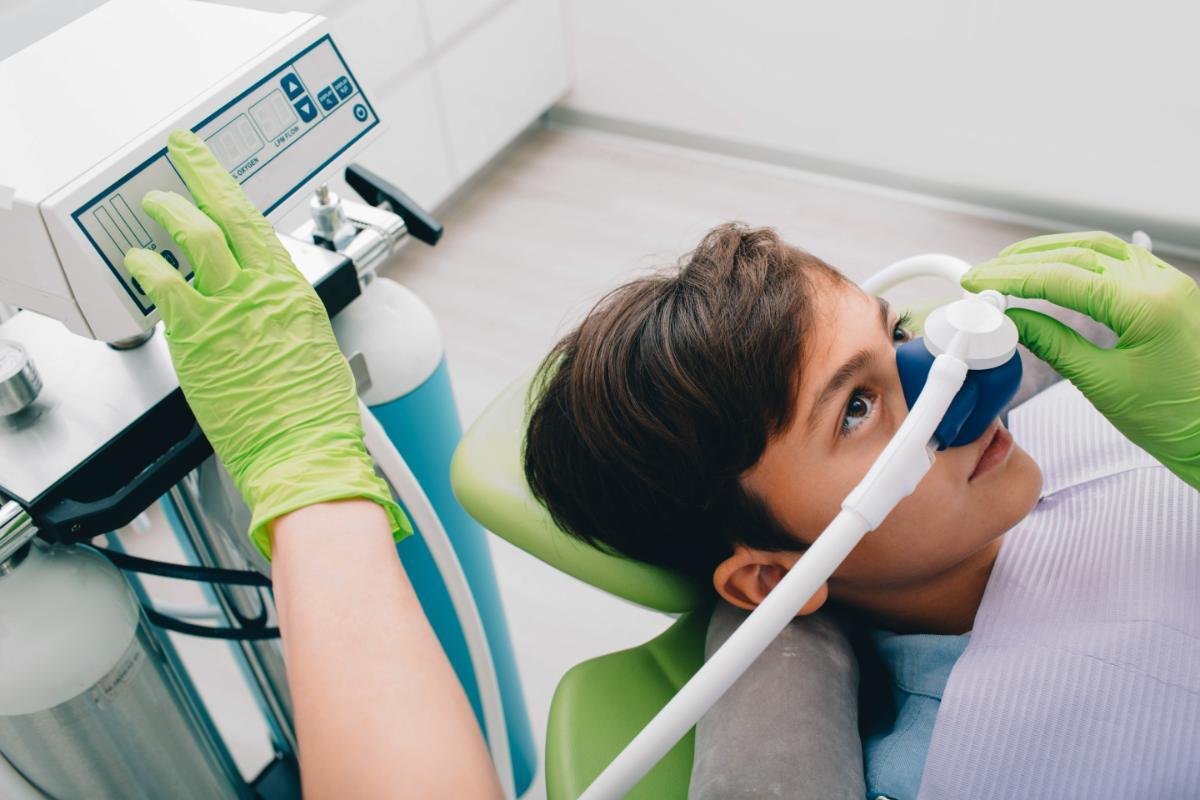
Nitrous oxide, commonly called laughing gas, is inhaled through a small nasal mask. It can help reduce anxiety and produce a relaxed feeling while the child remains responsive to verbal instructions.
The AAPD recognizes nitrous oxide and oxygen inhalation as an effective technique for reducing anxiety and improving communication during selected pediatric dental procedures.
Its effects generally wear off quickly after administration stops and oxygen is provided as directed. However, nitrous oxide is not suitable for every child. Nasal congestion, certain medical conditions, and the child’s ability to tolerate the nasal mask may affect suitability.
Nitrous oxide also does not eliminate the need for local anesthesia when a procedure requires it.
Oral Sedation
In selected cases, a qualified provider may consider oral medication to help a child relax. The medication, dose, and expected level of sedation depend on the individual patient and treatment plan.
Oral sedation can produce deeper or less predictable effects than parents may expect. It requires appropriate supervision, monitoring, and preparation. Parents should never give a child a sedative or use someone else’s medication before a dental appointment.
Deep Sedation or General Anesthesia
Some children need a deeper level of sedation or general anesthesia for extensive treatment, severe anxiety, or other specific clinical reasons.
These approaches require appropriate personnel, facilities, monitoring, and emergency preparedness. The treatment setting and anesthesia provider depend on the child’s medical needs and the procedure’s complexity.
A routine dental office may not offer every sedation level. When a child needs care beyond a practice’s capabilities, the dentist may refer the family to a suitably equipped provider or facility.
4. Preparing the Child for Treatment
Preparation depends on the chosen sedation method and how urgent the emergency is.
For some visits, explaining the procedure in simple, reassuring language can reduce anxiety. Parents can tell children that the dental team will examine the tooth and help them feel more comfortable, without promising exactly what they will experience.
For sedation, follow the dental team’s instructions about food, drinks, medication, and arrival time. Fasting requirements vary by procedure and sedation level.
Do not independently fast, medicate, or give sedatives to your child without specific instructions. If the emergency is urgent and your child has recently eaten, tell the dental team exactly what your child ate or drank and when. The provider must weigh the urgency of treatment against sedation-related risks.
5. Treating the Dental Problem
Once the child is assessed and the dentist has an appropriate plan, they treat the underlying problem.
Treatment may include:
- Repairing a chipped or broken tooth.
- Placing a filling when suitable.
- Treating an infected or damaged tooth pulp.
- Draining an abscess when clinically indicated.
- Removing a tooth that cannot be restored.
- Stabilizing an injured tooth when appropriate.
Treatment depends on the child’s age, whether the tooth is primary or permanent, the extent of the damage, and whether an infection is present.
Sedation can help facilitate treatment, but it does not cure tooth decay or eliminate an infection on its own. The dentist must address the underlying condition and explain any follow-up care.
6. Monitoring the Child During and After Sedation
Monitoring is central to pediatric sedation safety.
Depending on the sedation level, trained personnel may monitor breathing, oxygen levels, heart rate, blood pressure, and other measures of the child’s condition. They must be prepared to recognize and respond to complications.
After treatment, the child remains under appropriate observation until the required recovery criteria are met. Discharge instructions should explain what to expect, which activities to avoid, when the child can resume normal eating and drinking, and when to seek additional help.
Follow all instructions from the dental or anesthesia team. Children who have received sedation may need an adult to supervise them closely during recovery.
Is Sedation Dentistry Safe for Children?
Sedation can be appropriate for selected children when qualified professionals administer it with the required safeguards. However, no sedation method is completely risk-free.
Possible adverse effects vary by medication and sedation depth. They can include nausea, vomiting, excessive drowsiness, or changes in breathing. Deeper sedation carries greater risks and requires more extensive monitoring and rescue capabilities.
The AAP and AAPD’s pediatric sedation guidelines, reaffirmed with reference updates in 2025, stress the importance of presedation evaluation, appropriate staffing, physiologic monitoring, airway management skills, and supervised recovery.
Parents should ask who will administer the medication, who will monitor their child, what level of sedation is planned, and what emergency procedures are available.
A reputable treatment plan should explain both the advantages and limitations of sedation, including alternatives when sedation is unnecessary or unsuitable.
What Should Parents Do After Emergency Dental Treatment?
Recovery instructions depend on the treatment performed and whether sedation was used.
Parents can support recovery by following the dentist’s directions, giving medications only as prescribed or specifically recommended, and keeping the treated area clean according to instructions.
After an extraction or infection treatment, the dental team may provide specific guidance on food choices, oral hygiene, pain control, and follow-up appointments. If the child has a treated permanent tooth or a dental injury, the team may need to monitor more closely.
Contact the dental team if pain worsens instead of improving, swelling increases, bleeding doesn’t stop as instructed, or your child develops concerning symptoms.
If your child has breathing difficulty, severe allergic symptoms, or rapidly progressing swelling that affects the airway, seek emergency medical care immediately.
How Can Parents Reduce Future Dental Emergencies?
Not every dental injury can be prevented, but consistent oral care can reduce several common risks.
Help your child brush twice daily with fluoride toothpaste and clean between the teeth as appropriate for their age. Schedule routine dental visits, limit sugary foods and drinks, and follow professional recommendations for fluoride and preventive treatments.
Children who play contact sports should wear a properly fitted mouthguard. Parents should also address tooth sensitivity, persistent pain, and visible cavities before symptoms become severe.
If your child develops a toothache or breaks a tooth, early evaluation can help determine whether urgent treatment is needed.
Pediatric Emergency Dental Care at Denton Smiles Dentistry
A child’s dental emergency can worry parents, especially when fear or anxiety makes treatment more challenging. Understanding the examination process, available behavior guidance techniques, and sedation safety requirements can make it easier to discuss the next steps with a dental professional.
Dr. Tony Nguyen and the team at Denton Smiles Dentistry can help you understand your child’s dental concerns and discuss appropriate care options. Confirm sedation availability and suitability directly with the practice, as not every dental office offers every sedation method.
If your child has a toothache, a broken tooth, or another urgent dental concern, contact our team to explain the symptoms and ask how quickly your child should be evaluated.
Conclusion
Emergency dentistry in Denton focuses on identifying urgent dental problems, relieving discomfort, and protecting a child’s oral health. When fear, limited cooperation, or treatment complexity creates additional challenges, sedation may be considered as part of an individualized treatment plan.
Options range from nitrous oxide and oxygen to deeper sedation or general anesthesia, depending on the child’s needs and the provider’s capabilities. Every approach requires an appropriate assessment, clear communication with parents, and safety measures matched to the level of sedation.
Good preparation, careful monitoring, and clear aftercare instructions help support a safer treatment experience. Parents should seek prompt evaluation for significant dental pain, fractures, or suspected infection and emergency medical care for breathing or swallowing difficulties.
At Denton Smiles Dentistry, Dr. Tony Nguyen can help families understand their options and determine the appropriate next step. Contact our team to discuss your child’s symptoms and arrange an evaluation when needed.
Visit our dental practice in Denton, TX. Book now to schedule your appointment with our team and discuss your child’s dental care needs.
Frequently Asked Questions
1. What dental services can I ask about at Denton Smiles Dentistry?
Contact our practice to discuss your family’s dental needs, preventive care, and available treatment options. Our dentist can evaluate your concerns and explain which services may be appropriate.
2. How often should my child visit the dentist?
Many children benefit from routine dental visits every six months, although some need more frequent appointments based on their oral health and risk of tooth decay. Our dentist can recommend an appropriate schedule for your child.
3. What should I bring to my child’s dental appointment?
Bring your child’s medical and dental history, a list of medications and allergies, insurance information if applicable, and details about the current symptoms or injury. Tell our dentist when the problem started and whether your child has experienced fever, swelling, or difficulty eating.
4. Can my child receive dental treatment if they are afraid of the dentist?
Yes. Depending on the child’s age, needs, and the procedure, our dentist can discuss behavior-management approaches, including clear explanations, distraction, positive reinforcement, or an appropriate sedation option if available and clinically indicated, appropriate sedation.
5. How can I schedule an appointment at Denton Smiles Dentistry?
Contact our dental practice to ask about available appointment times and explain your child’s symptoms. Our team can help you understand the next steps and whether your Denton, TX dentist needs to evaluate the situation urgently.