940-380-1188

How To Care For Your Braces After An Orthodontic Treatment?
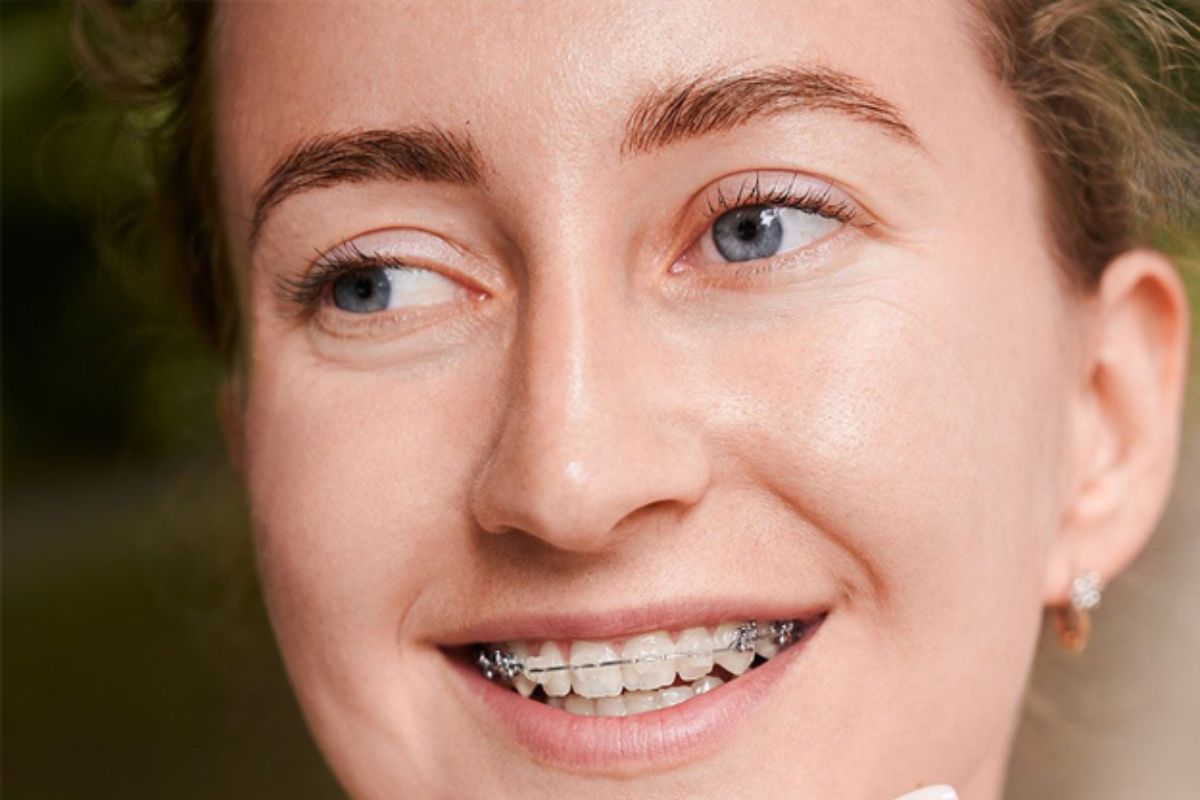
If you think you’re “done” with orthodontics, think again! The end of active treatment is really just the beginning of the crucial maintenance phase. Did you know that your teeth are under constant natural pressure and can return to their original positions? This phenomenon, known as orthodontic relapse, is a very real threat. Studies suggest that an average of 30-50% of patients may experience some degree of relapse within 10 years after treatment if they don’t follow retention instructions.
So, how do you make sure your investment lasts a lifetime? It all comes down to two things: Retention and Maintenance.
Embrace Your Retainer for Life
This is arguably the single most crucial step. Your teeth are not set in stone; the bone and ligaments surrounding them need time to stabilize in their new positions. Your retainer is the guard dog for your gorgeous grin.
- The Lifetime Commitment: Most orthodontists prescribe a phase of full-time wear (often 3 to 9 months) followed by part-time, lifelong wear—usually nightly. While initial compliance rates are generally high (over 70% in the first few months), adherence tends to decrease over time.
- Don’t Become a Statistic: 95% of orthodontic patients report satisfaction after completing treatment, but satisfaction depends on compliance. If you stop wearing your retainer, your teeth will try to shift. The good news is that for patients who maintain a weekly wear schedule, 81% largely maintain their orthodontic result two years post-treatment.
- Keep it Clean and Safe: Your retainer is a magnet for bacteria and plaque. Clean it daily with a soft toothbrush and mild soap or a designated retainer cleaner. Crucially: Keep it in its case when not in use! Lost retainers are a common issue; replacing them costs time and money.
Master Your Oral Hygiene Routine
While you were in braces, you had to navigate around brackets and wires. Now, you have a clean slate—and a mandate to keep it that way.
- Target the Tough Spots: Braces can sometimes leave you more susceptible to issues. One common side effect of poor hygiene during treatment is decalcification (white spot lesions) around where the brackets sat. While proper hygiene can minimize this to below 10% of patients, post-treatment care is key for overall tooth health.
- Brush Like a Boss: Brush twice a day with a soft-bristled or electric toothbrush and fluoride toothpaste. Don’t over-brush; focus on a gentle, thorough clean, paying special attention to the gum line.
- Floss is Your Friend: Floss daily. If you have a permanent, bonded retainer behind your front teeth (a common practice), you’ll need special tools like floss threaders or a water flosser to clean underneath the wire.
Schedule Your Check-ups
Your team of dental professionals is essential to maintaining your smile’s health and stability.
- Professional Cleanings: Schedule a professional cleaning with your general dentist soon after removing your braces. This cleaning can remove any stubborn plaque or buildup accumulated during treatment, especially in hard-to-reach areas. You should continue to visit your dentist every six months for routine check-ups and cleanings.
- Retention Checks: Your orthodontist in Denton will want to see you periodically to check the fit and integrity of your retainer and monitor for any slight shifting. Do not skip these appointments! A minor retainer adjustment is far cheaper and faster than a full course of re-treatment.
The Bottom Line
Achieving a straight smile took dedication, but keeping it requires consistency. The secret to a beautiful, long-lasting smile after braces is simple: Wear your retainer, keep your teeth sparkling clean, and never miss a dental check-up. Your future self—and your wallet—will thank you for preventing relapse, which can be just as costly and lengthy as your original treatment.
Frequently Asked Questions (FAQs)
Q: Why do I have to wear my retainer for so long?
A: Your teeth are held in place by periodontal ligaments and the bone structure of your jaw. It takes time—often over a year—for the bone and ligaments to fully solidify around the new, corrected positions. Without the retainer applying pressure, the teeth will naturally drift back toward their original spots due to muscle tension and the elasticity of those tissues.
Q: What happens if I lose or break my retainer?
A: Call your orthodontist immediately! The longer you go without a retainer, the more your teeth will shift. Your orthodontist must take a new impression or scan to create a replacement. This is an urgent situation, as even a few weeks without a retainer can lead to noticeable movement.
Q: I have a permanent (bonded) retainer. Do I still need a removable one?
A: Usually, yes. Fixed retainers typically only cover the front few teeth. Your orthodontist will often prescribe a removable retainer (like a clear aligner or Hawley retainer) to cover and stabilize the entire arch, including your back teeth, which are also susceptible to shifting. Always follow your specific orthodontist’s instructions.
Q: Why are my teeth sensitive after the braces came off?
A: It’s normal to experience temporary sensitivity after having your braces removed. Your teeth are finally exposed after being partially covered by brackets, and they may be slightly tender from the recent movement. This should subside within a few weeks. If it persists, ask your dentist about using a desensitizing toothpaste or a fluoride treatment.