940-298-8467

Top 5 Benefits of Periodontal Therapy For Gum Disease

Hey there, are your gums looking a little redder than usual? Maybe they’ve been feeling a bit sensitive lately? If so, you’re not alone! Millions of adults in the United States experience some form of gum disease, also known as periodontal disease. The Centers for Disease Control and Prevention (CDC) estimates that nearly half (46%) of adults aged 30 years and older show signs of gum disease. That’s a significant number!
But don’t worry, there’s good news! Periodontal therapy offers effective solutions to manage and treat gum disease, helping you get back to a healthy and happy smile. Let’s dive into the top 5 incredible benefits of seeking periodontal therapy.
Halts the Progression of Gum Disease
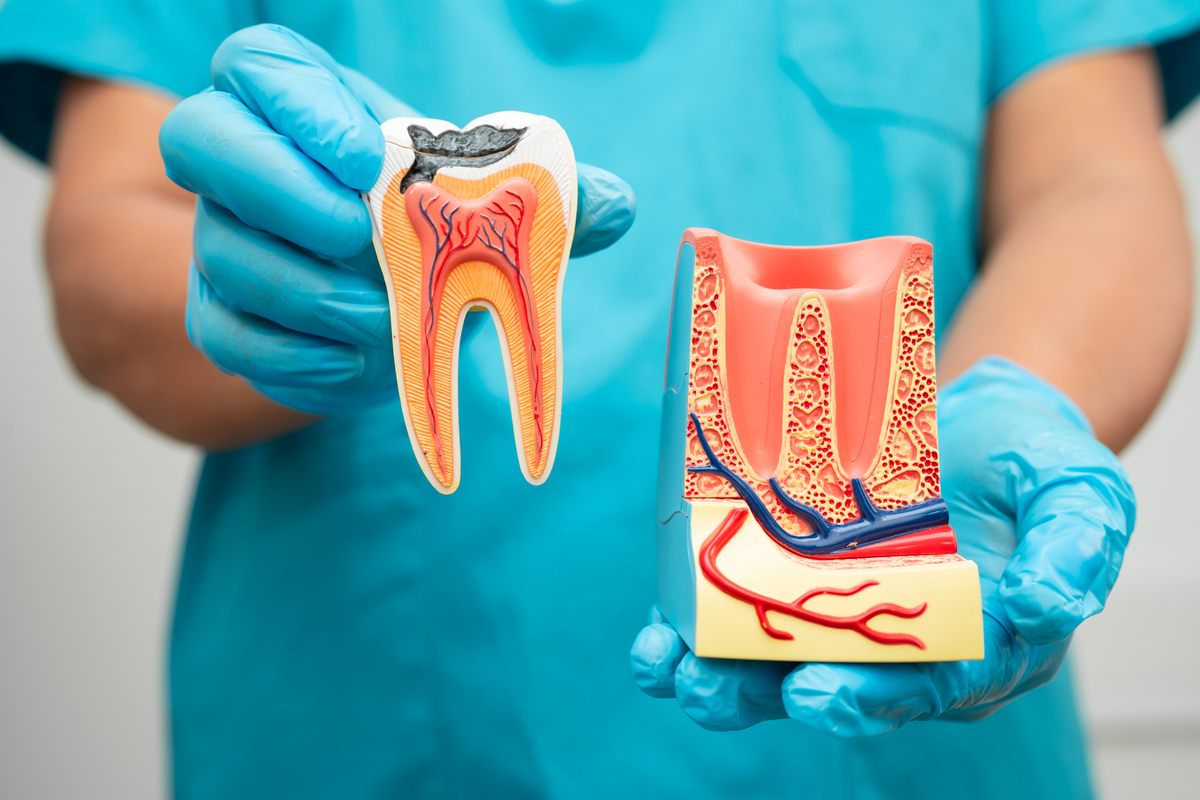
One of the primary goals of periodontal therapy is to stop gum disease in its tracks. Gum disease is a progressive condition, meaning it worsens over time if left untreated. It starts with gingivitis, an inflammation of the gums caused by plaque and bacteria buildup. According to the American Academy of Periodontology (AAP), if gingivitis isn’t treated, it can advance to periodontitis, where the gums pull away from the teeth, forming pockets that become infected. These infections can damage the bone and connective tissues that hold teeth in place, eventually leading to tooth loss.
Periodontal therapy, which can include scaling and root planing (a deep cleaning procedure to remove plaque and tartar below the gum line) and other treatments, directly addresses the bacterial infection and inflammation. Studies have shown that non-surgical periodontal therapy can significantly reduce the levels of disease-causing bacteria in the mouth, thereby halting the progression of the disease and preventing further damage.
Prevents Tooth Loss
As mentioned earlier, untreated periodontitis is a leading cause of tooth loss in adults. The destructive nature of the infection weakens the supporting structures of the teeth. Think of your teeth like plants – if the soil around their roots erodes, they become unstable and eventually fall out.
Periodontal therapy aims to stabilize the teeth by reducing the infection, promoting healing of the gums, and potentially regenerating lost bone and tissue through advanced procedures. By preserving the supporting structures, periodontal therapy significantly reduces the risk of tooth loss. A study published in the Journal of Periodontology found that patients who received regular periodontal maintenance after active treatment had significantly lower rates of tooth loss compared to those who did not.
Reduces Gum Bleeding and Inflammation
Bleeding gums are a common early sign of gum disease and indicate inflammation. This inflammation is the body’s response to the bacterial infection present in the gum tissues. Persistent gum bleeding isn’t normal and shouldn’t be ignored!
Periodontal therapy, through the removal of irritants like plaque and tartar, directly targets the source of the inflammation. As the infection is controlled and the gums heal, the bleeding and swelling will subside. Many patients experience a noticeable reduction in gum bleeding and sensitivity within a few weeks of undergoing periodontal therapy. This improvement not only enhances comfort but also contributes to better oral hygiene practices as brushing and flossing become less uncomfortable.
Improves Overall Oral Health
Periodontal therapy isn’t just about treating gum disease; it significantly contributes to overall oral health. Eliminating harmful bacteria and creating a healthier oral environment can help prevent other dental problems. For instance, reducing the bacterial load in the mouth can also contribute to fresher breath by eliminating odor-causing bacteria. Furthermore, a healthy foundation of gums and bone is crucial for the long-term success of other dental treatments, such as fillings, crowns, and implants.
May Benefit Systemic Health
Emerging research suggests a potential link between gum disease and various systemic health conditions, including heart disease, diabetes, and adverse pregnancy outcomes. While more research is needed to fully understand these connections, the inflammatory nature of gum disease is believed to play a role.
By reducing inflammation in the oral cavity through periodontal therapy, there’s a possibility of positively impacting overall health. For example, some studies have shown improved blood sugar control in diabetic patients who receive periodontal treatment. While periodontal therapy isn’t a cure for these systemic conditions, managing gum disease can be an important part of a comprehensive healthcare approach.
Conclusion
Periodontal therapy offers a multitude of benefits for individuals struggling with gum disease. From halting the progression of the disease and preventing tooth loss to improving overall oral and potentially systemic health, seeking timely treatment is crucial. If you’ve noticed any signs of gum disease, don’t hesitate to consult with your qualified dentist in Denton. Taking proactive steps towards your gum health is an investment in your smile and your overall well-being!