940-380-1188
Common Mistakes To Avoid After A Pediatric Cosmetic Dentistry
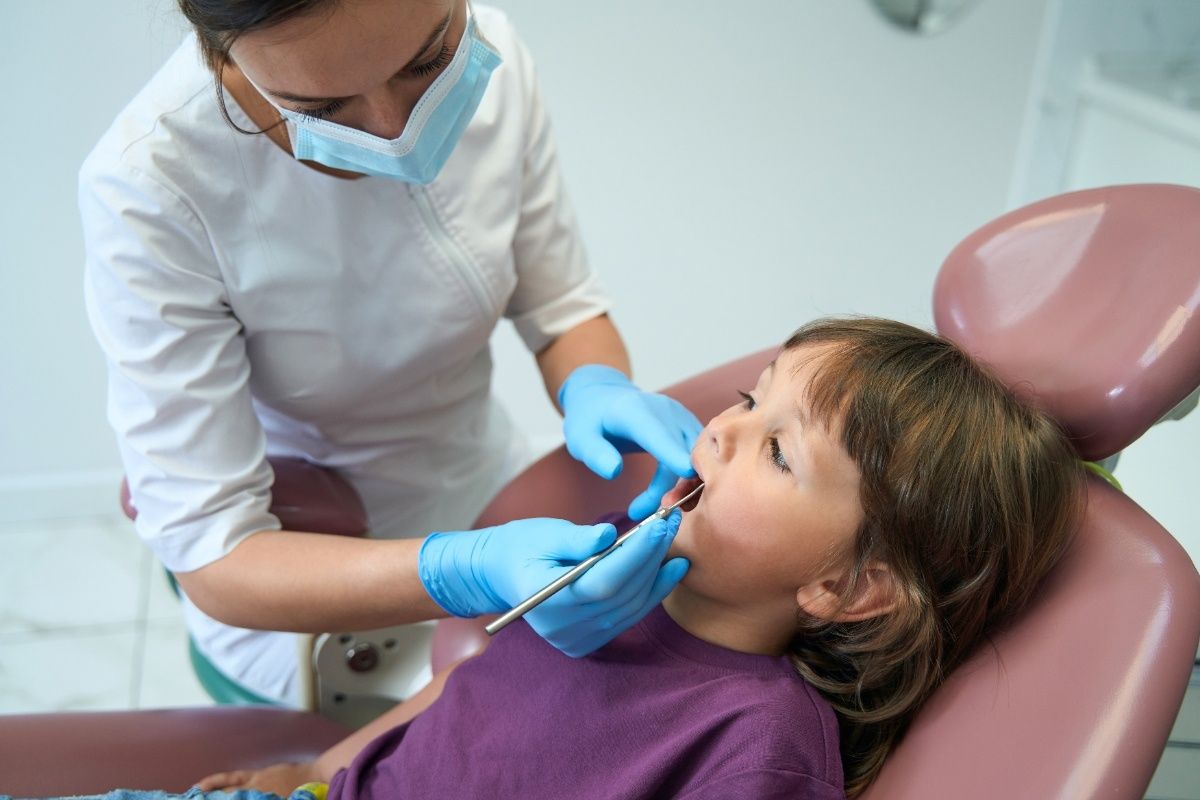
Has your child recently undergone a cosmetic dental procedure? Whether it was tooth-colored bonding, enamel shaping, pediatric crowns, treatment for chipped teeth, or another smile-enhancing procedure, you probably want the results to last as long as possible.
The good news is that modern pediatric cosmetic dentistry can dramatically improve the appearance, function, and confidence of a child’s smile. However, what happens after treatment can be just as important as the procedure itself.
Many parents unintentionally make mistakes during the recovery and maintenance period that may affect treatment results. From allowing certain foods too soon to neglecting follow-up care, these errors can shorten the lifespan of cosmetic dental work and increase the risk of complications.
According to the Centers for Disease Control and Prevention (CDC), more than 50% of children ages 6 to 8 have had a cavity in at least one baby tooth, while untreated oral health problems remain among the most common chronic conditions affecting children in the United States. Proper aftercare following cosmetic dentistry can help protect both oral health and a child’s investment in their smile.
In this guide, we’ll discuss the most common mistakes parents should avoid after pediatric cosmetic dentistry, explain why aftercare matters, and provide practical tips for keeping your child’s smile healthy and beautiful.
What Is Pediatric Cosmetic Dentistry?
Cosmetic dentistry in Denton focuses on improving the appearance of children’s teeth while maintaining oral health and function.
Common treatments include:
- Tooth-colored dental bonding
- Cosmetic reshaping
- Pediatric crowns
- Enamel contouring
- Treatment of chipped or fractured teeth
- White fillings
- Space maintainers with aesthetic components
- Orthodontic cosmetic corrections
While many procedures are minimally invasive, proper healing and maintenance are essential for long-term success.
Why Post-Treatment Care Matters
Children are naturally active, curious, and sometimes less attentive to oral hygiene than adults.
As a result, cosmetic dental restorations may be exposed to:
- Excessive chewing forces
- Poor brushing habits
- Sugary snacks
- Sports injuries
- Accidental trauma
According to the American Academy of Pediatric Dentistry (AAPD), preventive care and parental involvement remain critical factors in maintaining oral health and reducing future dental problems.
Good aftercare helps protect the appearance and durability of cosmetic treatments.
Mistake #1: Allowing Hard Foods Too Soon
One of the most common mistakes parents make is allowing children to return immediately to hard or crunchy foods.
Depending on the procedure, the dentist may recommend avoiding foods such as:
- Ice
- Hard candy
- Popcorn kernels
- Pretzels
- Nuts
- Chewy caramel
These foods can damage newly placed restorations or place unnecessary pressure on treated teeth.
For example, dental bonding materials are durable, but excessive force may increase the risk of chipping or fracture.
Encouraging softer foods during the recommended recovery period can help preserve treatment results.
Mistake #2: Ignoring Oral Hygiene Instructions
Some parents mistakenly assume cosmetic dental work eliminates the need for careful oral hygiene.
The reality is exactly the opposite.
Cosmetic restorations still require:
- Brushing twice daily
- Daily flossing
- Routine dental checkups
According to the American Dental Association (ADA), plaque begins forming on teeth within hours after brushing.
If plaque accumulates around cosmetic restorations, it may contribute to:
- Tooth decay
- Gum inflammation
- Staining
- Restoration failure
Parents should supervise brushing habits, especially in younger children.
Mistake #3: Consuming Excessive Sugary Snacks and Drinks
Children often enjoy:
- Soda
- Sports drinks
- Candy
- Fruit snacks
- Sweetened juices
Unfortunately, frequent sugar exposure can undermine oral health.
The CDC reports that tooth decay remains one of the most common chronic childhood diseases in America.
Bacteria in the mouth feed on sugars and produce acids that attack tooth enamel.
Even if cosmetic treatment improves appearance, underlying teeth remain vulnerable to cavities.
Limiting sugary foods helps protect both natural teeth and restorations.
Mistake #4: Skipping Follow-Up Appointments
After cosmetic dental treatment, follow-up visits allow the dentist to evaluate:
- Healing progress
- Restoration stability
- Bite alignment
- Oral hygiene habits
Some parents assume that because treatment is complete, no additional visits are necessary.
However, regular monitoring can help identify small issues before they become larger problems.
According to the ADA, preventive dental care plays a major role in reducing future treatment needs.
Routine evaluations are especially important for growing children because their mouths continue to develop.
Mistake #5: Allowing Nail Biting or Chewing Habits
Children frequently develop habits such as:
- Nail biting
- Pencil chewing
- Ice chewing
- Toy chewing
These behaviors can place significant stress on cosmetic restorations.
Research published in the pediatric dental literature has linked parafunctional habits to increased dental wear and damage to restorations.
Parents should monitor and discourage these habits whenever possible.
Mistake #6: Returning to Sports Without Protection
Sports-related dental injuries remain common among children.
The CDC estimates that millions of sports and recreation-related injuries occur annually among youth participants.
Children involved in:
- Football
- Basketball
- Soccer
- Baseball
- Hockey
- Martial arts
May face an increased risk of dental trauma.
If your child has received cosmetic dental treatment, a custom-fitted mouthguard may help protect their smile.
The American Dental Association recommends mouthguards for many athletic activities to reduce the risk of dental injury.
Mistake #7: Using Teeth as Tools
Children sometimes use their teeth to:
- Open packages
- Tear wrappers
- Bite fingernails
- Hold objects
These actions may damage cosmetic dental work.
Even durable restorations can chip under excessive force.
Teaching children to use appropriate tools instead of their teeth helps prevent avoidable accidents.
Mistake #8: Ignoring Signs of Damage
Children may not always report dental problems immediately.
Parents should watch for:
- Sensitivity
- Discomfort
- Chipped restorations
- Loose dental work
- Changes in appearance
Prompt evaluation allows dentists to address minor issues before they worsen.
Early intervention often reduces treatment complexity and cost.
Mistake #9: Poor Hydration Habits
Hydration supports overall oral health.
Saliva helps:
- Wash away food particles
- Neutralize acids
- Reduce bacterial growth
- Protect enamel
According to the National Institute of Dental and Craniofacial Research (NIDCR), reduced saliva flow can increase the risk of cavities.
Encouraging water consumption throughout the day supports healthier teeth and gums.
Mistake #10: Assuming Baby Teeth Don’t Matter
Some parents mistakenly believe cosmetic treatment on primary teeth is unimportant because those teeth will eventually fall out.
However, healthy primary teeth play important roles in:
- Speech development
- Nutrition
- Jaw growth
- Permanent tooth guidance
- Self-confidence
The American Academy of Pediatric Dentistry emphasizes that maintaining healthy primary teeth contributes to long-term oral health outcomes.
Protecting cosmetic dental work on baby teeth remains worthwhile.
Best Practices After Pediatric Cosmetic Dentistry
To help maximize treatment longevity, parents should encourage:
- Daily Brushing: Use fluoride toothpaste and brush for two minutes twice daily.
- Daily Flossing: Flossing removes plaque and debris between teeth.
Balanced Nutrition
Choose foods rich in:
- Calcium
- Vitamin D
- Protein
- Fiber
These nutrients support healthy teeth and gums.
- Regular Dental Checkups: Most children should visit the dentist every six months unless otherwise recommended.
- Protective Mouthguards: Children involved in sports should wear properly fitted mouthguards.
How Long Do Pediatric Cosmetic Restorations Last?
Longevity varies depending on:
- Type of treatment
- Oral hygiene habits
- Diet
- Growth and development
- Trauma exposure
For example:
- Dental Bonding: May last several years with proper care.
- Pediatric Crowns: Often, they remain functional until the natural exfoliation of teeth.
- White Fillings: Can provide years of reliable service when maintained appropriately.
Routine dental evaluations help ensure restorations remain in good condition.
Helping Children Take Ownership of Their Smile
Children are more likely to maintain oral health habits when they understand their importance.
Parents can encourage participation by:
- Creating brushing routines
- Using reward charts
- Modeling healthy habits
- Explaining treatment benefits
- Celebrating dental milestones
Positive reinforcement often improves long-term compliance.
Conclusion
Pediatric cosmetic dentistry can improve a child’s smile, confidence, and oral function, but maintaining those results requires proper aftercare. Common mistakes such as allowing hard foods too soon, neglecting oral hygiene, skipping follow-up appointments, or ignoring protective measures can increase the risk of damage to restorations and future dental problems.
By encouraging healthy habits, attending regular dental visits, and following your trusted Denton pediatric dentist’s recommendations, you can help protect your child’s investment in their smile for years to come.
A beautiful smile isn’t just about appearance—it’s also about creating a strong foundation for lifelong oral health.
Frequently Asked Questions
1. How soon can my child eat normally after cosmetic dental treatment?
This depends on the procedure performed. Your pediatric dentist will provide specific dietary recommendations, but softer foods are often encouraged initially.
2. Can dental bonding chip easily in children?
Dental bonding is durable, but habits such as nail biting, chewing ice, or sports injuries can increase the risk of chipping.
3. Are follow-up visits necessary after pediatric cosmetic dentistry?
Yes. Follow-up appointments help monitor healing, evaluate restorations, and ensure long-term treatment success.
4. Should my child wear a mouthguard after cosmetic dental treatment?
If your child participates in sports or recreational activities that carry an injury risk, a mouthguard can help protect their dental work and natural teeth.
5. How can I help my child maintain cosmetic dental results?
Encourage daily brushing and flossing, limit sugary foods and drinks, attend regular dental checkups, and follow all aftercare instructions provided by your dentist.