940-380-1188

How To Taste Changes in The Mouth After Root Canal Treatment?
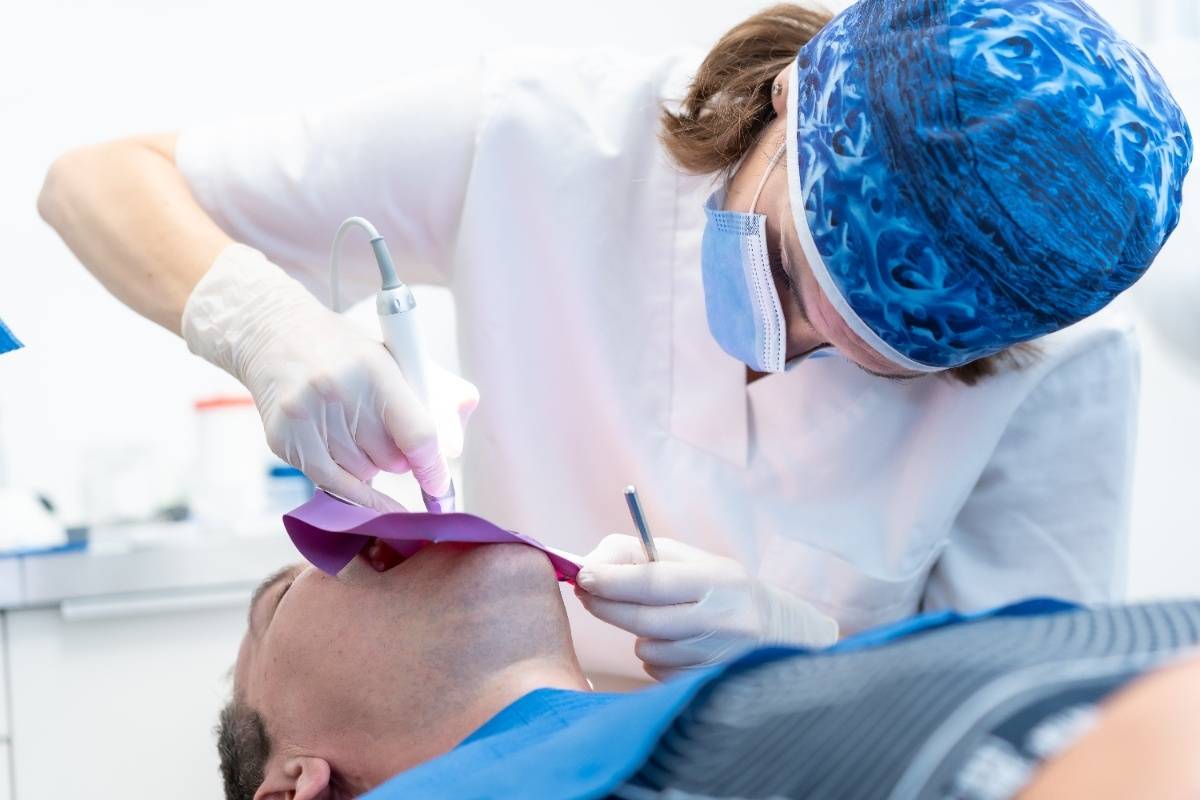
You finally finished your root canal treatment, expecting relief from tooth pain and sensitivity. But instead, you notice something strange—your mouth tastes bitter, metallic, sour, or simply “off.” Maybe coffee tastes different, food seems dull, or there is an unpleasant flavor that will not go away.
If this sounds familiar, you are not alone. Taste changes after root canal treatment are more common than many patients realize. While most cases are temporary, persistent bad taste or altered taste sensations may signal healing issues, dry mouth, infection, medication effects, or temporary nerve irritation.
According to the American Association of Endodontists, more than 15 million root canal procedures are performed every year in the United States.
Understanding why taste changes happen after root canal treatment can help patients recover more comfortably and know when it is time to call the dentist. This guide explains the causes, symptoms, treatment options, and dentist-approved relief tips for managing unusual tastes after a root canal.
Why Does Your Taste Change After a Root Canal?
Taste changes after root canal treatment may happen for several reasons. Some are harmless and temporary, while others may require follow-up care.
Common taste-related complaints include:
- Bitter taste
- Metallic taste
- Sour taste
- Chemical taste
- Reduced taste sensation
- Foul odor affects flavor perception
Many patients online describe lingering bitter or chemical tastes after root canal treatment, especially while temporary fillings are still in place.
Common Causes of Taste Changes After Root Canal Treatment
Temporary Dental Materials and Medications
Root canal procedures often involve disinfectants, medicated dressings, sealers, and temporary filling materials.
Some patients notice:
- Chemical flavors
- Bitter tastes
- Medicinal tastes
Online dental discussions frequently mention bleach-like or chemical tastes after treatment, due to medicated fillings or disinfecting solutions used during root canal therapy.
These tastes often improve as the materials settle or are replaced with permanent restorations.
Dry Mouth (Xerostomia)
Dry mouth is a major cause of altered taste sensation.
The American Dental Association explains that reduced saliva flow can cause:
- Difficulty tasting
- Oral discomfort
- Mouth soreness
- Increased bacterial growth
- Changes in flavor perception
Dry mouth after root canal treatment may occur because of:
- Stress
- Mouth breathing
- Medications
- Dehydration
- Healing tissue irritation
The ADA reports that xerostomia affects approximately 22% of the global population.
Infection or Residual Bacteria
A foul or bad taste may occasionally indicate lingering infection.
According to Healthline, symptoms of root canal infection may include:
- Bad taste in the mouth
- Swelling
- Pain
- Pus discharge
- Bad breath
Sharecare also notes that a persistent unpleasant taste after root canal treatment may signal infection or healing complications.
Patients should not ignore a persistent bad taste accompanied by pain or swelling.
Temporary Nerve Irritation
The mouth contains many sensory nerves that detect taste and oral sensations.
Occasionally:
- Local anesthetic injections
- Swelling
- Tissue irritation
may temporarily affect nearby nerves.
Some patients report a temporary bitter taste or altered taste on one side of the tongue after dental anesthesia during root canal procedures.
Most mild nerve-related taste changes improve gradually.
Temporary Fillings or Leakage
Temporary crowns or fillings may occasionally loosen slightly during healing.
If bacteria or fluids enter the treated area, patients may notice:
- Bitter taste
- Metallic flavor
- Unpleasant odor
Several Reddit discussions describe a foul taste associated with temporary fillings after root canal treatment.
Dentists should evaluate any persistent taste accompanied by pressure, swelling, or discomfort.
What Types of Taste Changes Can Happen?
Bitter Taste
A bitter taste is one of the most commonly reported symptoms.
Possible causes:
- Dental medicaments
- Infection
- Dry mouth
- Temporary sealers
Metallic Taste
Metallic taste may occur because of:
- Blood
- Dental materials
- Medications
- Minor bleeding
Metallic flavors often improve within days.
Sour or Foul Taste
A sour or foul taste may suggest:
- Bacterial buildup
- Infection
- Food trapping
- Temporary filling leakage
Healthline reports that infected tissue may create unpleasant taste or odor sensations after root canal complications.
Reduced Taste Sensation
Some patients notice that food tastes bland temporarily.
The ADA explains that saliva is essential for normal taste perception and that dry mouth can significantly impair it.
How Long Do Taste Changes Last After Root Canal Treatment?
Most temporary taste changes improve within:
- Several hours to a few days after treatment
- 1–2 weeks if temporary fillings are involved
Healing time depends on:
- Infection severity
- Dry mouth
- Medications
- Oral hygiene
- Type of restoration
Persistent symptoms lasting longer than two weeks should be evaluated by a local certified Denton dentist.
Dentist-Approved Relief Tips for Taste Changes After Root Canal
Stay Hydrated
Water helps:
- Increase saliva flow
- Wash away bacteria
- Reduce dry mouth
- Improve taste perception
The ADA recommends hydration as part of dry mouth management.
Aim for:
- 8–10 glasses of water daily
- Reduced caffeine and alcohol intake
Practice Excellent Oral Hygiene
Brushing and flossing help remove bacteria that contribute to bad taste.
Healthy habits include:
- Brushing twice daily
- Cleaning the tongue
- Flossing carefully
- Using alcohol-free mouthwash
The ADA recommends gentle brushing with fluoridated toothpaste to reduce oral complications associated with dry mouth and bacterial buildup.
Rinse With Warm Salt Water
Saltwater rinses may help:
- Reduce bacteria
- Soothe tissue
- Improve oral cleanliness
Simple rinse recipe:
- 1 cup warm water
- ½ teaspoon salt
Use 2–3 times daily unless your dentist advises otherwise.
Avoid Smoking and Tobacco
Smoking can worsen:
- Dry mouth
- Infection risk
- Healing delays
- Taste disturbances
Tobacco products may also increase bad breath and oral irritation.
Eat Mild Foods During Healing
Some foods worsen taste sensitivity after dental treatment.
Temporarily avoid:
- Very spicy foods
- Acidic foods
- Alcohol
- Extremely hot beverages
Soft and mild foods may feel more comfortable while healing.
Use Sugar-Free Gum or Lozenges
The ADA explains that sugar-free gum may help stimulate saliva production for dry mouth sufferers.
More saliva may improve:
- Mouth moisture
- Taste perception
- Oral comfort
Attend Follow-Up Appointments
Root canal treatment sometimes requires:
- Additional cleaning
- Permanent crown placement
- Seal adjustments
- Infection monitoring
The American Association of Endodontists explains that proper sealing and restoration are essential for long-term root canal success.
Signs You Should Call Your Dentist Immediately
Temporary taste changes are common. Severe symptoms are not.
Contact your dentist if you experience:
- Persistent foul taste
- Swelling
- Fever
- Pus
- Severe pain
- Bad odor
- Loose temporary filling
- Difficulty chewing
- Symptoms lasting longer than 2 weeks
Healthline notes that symptoms of infection after root canal treatment should be evaluated promptly.
Can Root Canal Treatment Permanently Affect Taste?
Permanent taste problems after root canal treatment are rare.
Most cases improve after:
- Healing
- Crown placement
- Improved saliva flow
- Infection resolution
Online discussions indicate that many patients experience temporary taste disturbances that gradually fade.
Persistent symptoms may require further dental or medical evaluation.
The Connection Between Oral Health and Taste
Taste perception depends heavily on:
- Healthy saliva production
- Clean oral tissues
- Healthy nerves
- Infection-free gums and teeth
The ADA emphasizes that saliva plays a critical role in maintaining oral comfort, pH balance, and taste sensation.
Maintaining good oral health after root canal treatment supports both healing and normal taste recovery.
Conclusion
Taste changes after root canal treatment can feel surprising, but most cases are temporary and manageable. Bitter, metallic, sour, or chemical tastes may occur because of healing tissues, dental materials, dry mouth, temporary fillings, or mild irritation after treatment.
Fortunately, most patients recover fully with proper hydration, excellent oral hygiene, saltwater rinses, and regular dental follow-up care. However, a persistent foul taste combined with swelling, pain, or fever should never be ignored, as it may indicate an infection or complications requiring treatment.
If your taste changes continue for more than two weeks after root canal therapy, schedule a dental evaluation promptly. Early attention can help protect both your oral health and your restored tooth.
Frequently Asked Questions
1. Is a bad taste normal after a root canal?
Yes. Temporary bitter, metallic, or chemical tastes can happen after root canal treatment due to dental materials, healing tissue, or dry mouth.
2. How long do taste changes last after root canal treatment?
Most mild taste changes improve within several days to two weeks, depending on healing and oral hygiene.
3. Can a bad taste after a root canal mean infection?
Sometimes. Persistent foul taste, along with swelling, pain, or pus, may indicate an infection and should be evaluated by a dentist.
4. Why does my mouth taste metallic after a root canal?
A metallic taste may occur due to temporary dental materials, blood, medications, or healing tissues after treatment.
5. How can I improve taste changes after root canal treatment?
Drink water regularly, brush and floss carefully, rinse with saltwater, avoid smoking, and follow all post-treatment instructions from your dentist.