940-380-1188

Can You Eat Normally with A Single Tooth Denture?
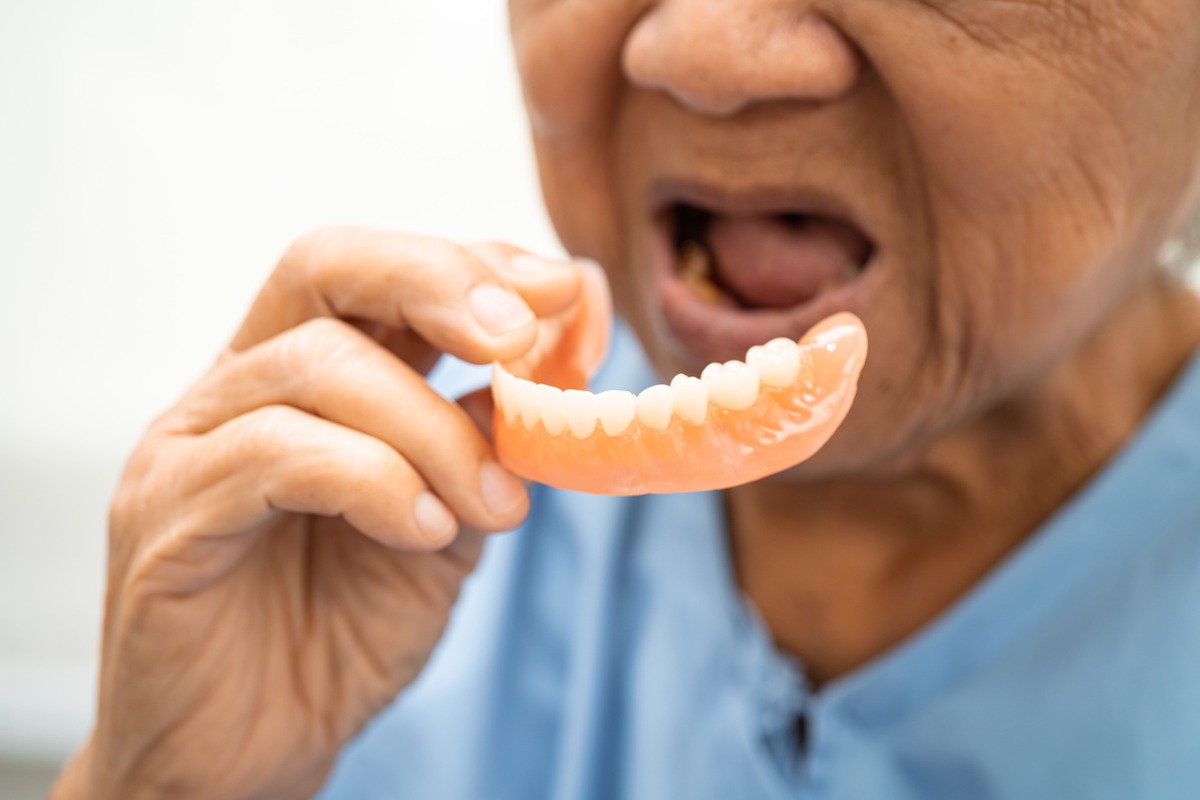
Have you ever sat down to a steak dinner or bit into a crisp apple and felt a sudden wave of hesitation? If you’re missing a single tooth, that gap isn’t just an aesthetic concern—it’s a functional hurdle. You might find yourself chewing awkwardly on one side or avoiding your favorite crunchy snacks altogether. So, when you finally get that single-tooth denture (often called a “flipper” or a partial), the big question is: Will life go back to normal? Can you finally trust your bite again, or are you traded one set of restrictions for another?
Let’s dive into the reality of eating with a single-tooth replacement, backed by the data you need to make the best choice for your smile and diet.
The Mechanics of a Single Tooth Denture
A single-tooth denture is typically a removable partial denture (RPD) designed to fill a single gap. While it restores the appearance of a full smile, its stability differs significantly from that of a natural tooth or a permanent dental implant.
1. Stability and Bite Force
Natural teeth are anchored into the jawbone by the periodontal ligament, which acts as a shock absorber. In contrast, a single tooth denture sits atop the gum tissue or is held in place by small metal clasps attached to adjacent teeth.
According to research published in the Journal of Prosthodontic Research, the bite force of individuals wearing removable partial dentures is significantly lower than that of individuals with natural teeth or fixed bridges. On average, a removable appliance may only restore about 30% to 50% of your original chewing efficiency.
2. The “Learning Curve” Phase
During the first 2 to 4 weeks, “normal” eating is a goal, not an immediate reality. Your brain needs time to adjust to the sensation of a foreign object in your mouth. A study in the Journal of Oral Rehabilitation notes that patients typically report a significant improvement in chewing satisfaction after the first month of consistent wear, as the oral musculature adapts to the appliance.
Can You Really Eat Normally with a Single Tooth Denture?
Short Answer:
Yes—but with some adjustments, especially at the beginning.
What the Research Says
- Studies show that dentures significantly improve chewing efficiency compared with missing teeth.
- However, chewing ability with dentures is still lower than that of natural teeth in most cases.
- Tooth loss alone reduces chewing ability and can affect nutrition and confidence while eating.
In simple terms, a single-tooth denture helps you eat much better than before, but it may not feel exactly like your natural tooth.
How Eating Feels with a Single Tooth Denture
1. First Few Weeks: Adjustment Phase
- You may feel slight pressure while chewing
- Food might feel different in texture
- You’ll need to chew more slowly
Many patients report that within 2–4 weeks, eating becomes noticeably easier as their mouths adapt.
2. After Adjustment: Comfortable but Different
Once you get used to it:
- You can eat most everyday foods
- Your bite feels more balanced
- Chewing becomes more efficient
However, you may:
- Avoid very hard or sticky foods
- Chew more evenly on both sides
What Foods Can You Eat?
Easy-to-Eat Foods (Best for Beginners)
- Scrambled eggs
- Pasta
- Soft fruits (bananas, berries)
- Cooked vegetables
- Fish and tender meats
Foods to Be Careful With
- Hard nuts
- Sticky candy (caramel, taffy)
- Tough meats (steak)
- Crunchy raw vegetables
Good News
With time and proper fit, many patients return to eating nearly everything they enjoy—just with better chewing habits.
How a Single Tooth Denture Improves Eating
1. Restores Bite Balance
Missing even one tooth can shift your bite and make chewing uneven. A denture:
- Redistributes pressure evenly
- Reduces strain on surrounding teeth
2. Improves Digestion
Better chewing = better digestion.
Research shows dentures can positively impact nutritional status and the quality of life.
3. Boosts Confidence While Eating
Tooth gaps can make people:
- Avoid eating in public
- Feel self-conscious
A denture restores your smile—so you can enjoy meals socially again.
Tips to Eat Normally with a Single Tooth Denture
- Start Slow: Begin with soft foods and gradually introduce harder textures.
- Chew on Both Sides: This keeps the denture stable and prevents uneven pressure.
- Cut Food into Smaller Pieces, especially during the first few weeks.
- Avoid Sticky Foods Initially: They can dislodge the denture.
- Practice Makes Perfect: Your muscles and gums adapt over time—consistency is key.
Common Challenges (And How to Fix Them)
Problem: Denture Feels Loose While Eating
Solution: Visit your dentist for an adjustment or relining.
Problem: Soreness or Gum Irritation
Solution:
- Give your gums rest
- Use dentist-approved adhesives if needed
Problem: Food Gets Stuck
Solution:
- Rinse after meals
- Maintain proper oral hygiene
Why Patients Choose Single Tooth Dentures
Many patients opt for single-tooth dentures because:
- They’re affordable compared to implants
- They provide quick restoration
- They improve both function and appearance
For busy lifestyles—students, professionals, and families—this solution balances cost, convenience, and comfort.
Conclusion
Can you eat normally with a single-tooth denture? The answer is yes, with caveats. You can enjoy a diverse, healthy diet and social meals without embarrassment. However, you must accept that a removable appliance requires a different chewing technique and a bit more care than a natural tooth.
By taking the time to adapt during the first month and being mindful of extremely sticky or hard foods, your single-tooth denture will serve as a functional bridge to a better quality of life. If you find that 50% chewing efficiency isn’t enough for your lifestyle, it may be time to discuss more permanent, high-stability options, such as dental implants, with your local certified Denton dentist.
Frequently Asked Questions
1. How long does it take to eat normally with a single-tooth denture?
Most people adjust within 2–4 weeks, though full comfort may take a bit longer.
2. Can I eat hard foods like steak or nuts?
Yes, but gradually. Start with softer foods and reintroduce harder ones as you adapt.
3. Will my denture move while eating?
A properly fitted denture should stay stable, but minor movement is normal initially.
4. Do single-tooth dentures affect taste?
No, they typically do not significantly affect taste, unlike full upper dentures.
5. Is a single-tooth denture permanent?
It’s a long-term solution, but it may need adjustments or replacement over time.