940-298-8467

What Could Cause a Dental Bridge to Fail?

Dental bridges are a reliable solution for replacing missing teeth, restoring your smile, and maintaining proper oral function. However, like any dental restoration, bridges can sometimes fail. Understanding the possible causes of dental bridge failure helps you prevent problems, maintain your oral health, and extend the life of your dental work.
According to the National Institute of Dental and Craniofacial Research (NIDCR), tooth loss is common in adults over 35, and fixed dental bridges are among the most effective ways to restore missing teeth. Knowing why a bridge may fail can ensure you take the right precautions to protect your investment.
Common Reasons Why a Dental Bridge Might Fail
Tooth Decay Around Supporting Teeth
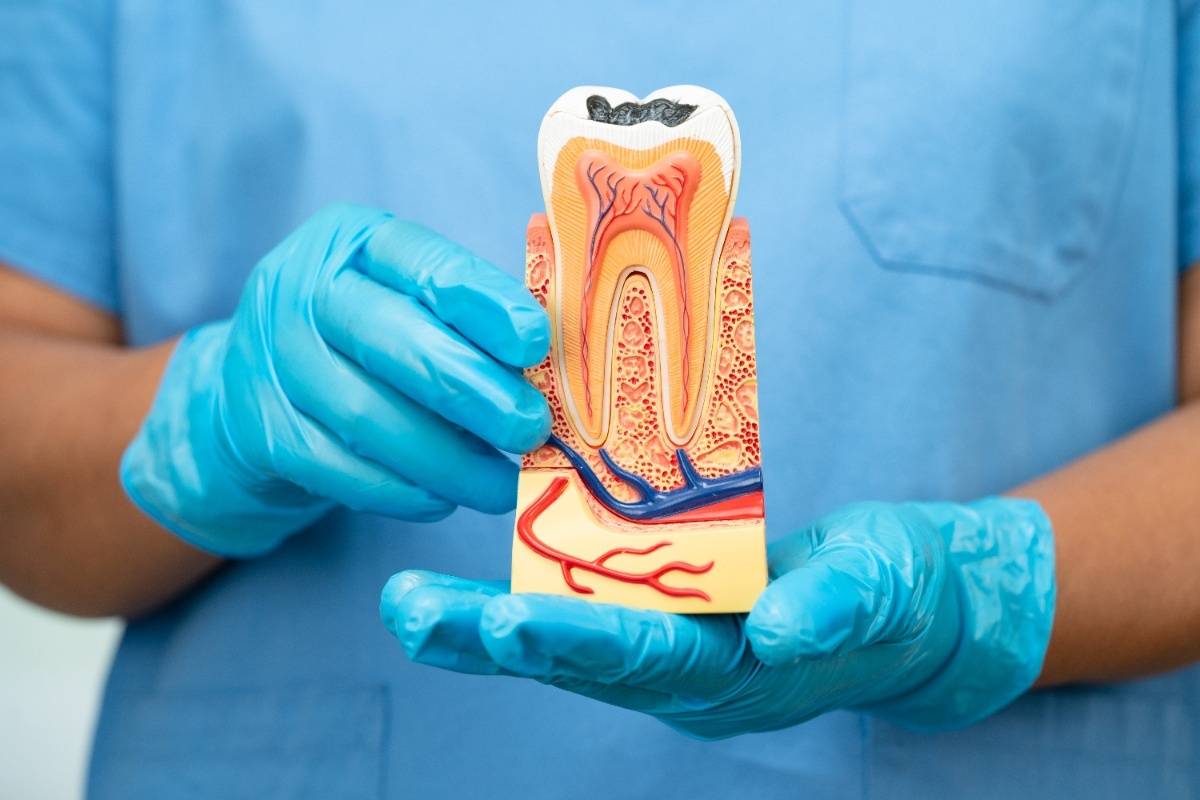
Even though a bridge replaces missing teeth, the surrounding natural teeth (called abutment teeth) are still vulnerable to cavities. If decay develops on these teeth, it can weaken the support for the bridge and lead to failure. Proper oral hygiene, including brushing, flossing, and regular dental checkups, is essential to prevent decay.
Gum Disease (Periodontal Issues)
Gum disease can compromise the stability of the abutment teeth by causing bone loss or gum recession. When the supporting teeth are not healthy, the bridge may become loose or even fall out. Early treatment of gum disease and maintaining healthy gums are key to bridge longevity.
If you’re confused about choosing between a veneer and a dental crown for your dream smile, this blog will guide you toward the right solution.
Improper Fit or Placement
If the bridge is not properly designed or fitted, it may not distribute biting forces evenly. An improper fit can lead to discomfort, damage to supporting teeth, or even bridge failure. Skilled dental professionals use careful planning and modern techniques to ensure a proper fit.
Excessive Bite Pressure or Grinding
Bruxism (teeth grinding) or frequently biting hard foods can place too much stress on a bridge. Over time, this pressure can loosen the bridge, crack the materials, or damage the supporting teeth. Wearing a nightguard and avoiding very hard foods can help protect your bridge.
Trauma or Injury
Accidents or injuries to the mouth can dislodge a bridge or damage the supporting teeth. Protecting your teeth during sports or high-risk activities with a mouthguard can help prevent damage.
Check out our Google reviews and hear directly from our happy patients
Been going to Denton Smiles for some time now and I STILL love all the staff. This time I got a bridge and Dr. Tran was her usual gentle self making me go through the process painlessly (I’m something of a sissy). I’ll be going there forever even if we move from Denton and I have to drive from somewhere else! I wrote this some time ago but today we drove from our new home in Euless to go back to Dr. Tran. It’s absolutely worth it to make the effort to go to her. – Anne Brown
Wear and Tear Over Time
While bridges are durable, they are not permanent. Normal wear and tear from chewing can cause the materials to weaken or the cement bonding the bridge to fail. Routine dental visits allow your dentist to monitor the bridge and address minor issues before they become major problems.
Poor Oral Hygiene Practices
Failure to clean the area under and around the bridge can lead to plaque buildup, cavities, and gum disease. Special flossing tools and regular professional cleanings help maintain the bridge and surrounding teeth.
Changes in the Mouth
Over time, changes in the jawbone, shifting teeth, or other oral health issues can affect how the bridge fits. These changes may require adjustment, repair, or replacement to maintain proper function.
Preventing Dental Bridge Failure
- Brush twice daily and use a soft-bristled toothbrush to avoid damaging the bridge.
- Floss carefully around the bridge using floss threaders or interdental brushes.
- Attend regular dental checkups for professional cleanings and examinations.
- Avoid chewing very hard foods like ice or nuts that could stress the bridge.
- Wear a nightguard if you grind or clench your teeth.
- Address gum disease, cavities, or other oral health issues promptly.
When to Seek Professional Help
If your bridge feels loose, causes discomfort, or you notice changes in your bite, contact your dentist immediately. Early intervention can prevent further damage and extend the life of your bridge.
Restoring Your Smile with a Fixed Dental Bridge
A fixed dental bridge can restore your smile, improve chewing, and maintain your oral health when properly cared for. For patients looking for expert care, visiting Denton’s great cosmetic dentist ensures you receive a high-quality bridge and personalized treatment.
If you are considering a bridge or need repair for an existing one, Denton Smiles Dentistry offers expert fixed dental bridge treatment in Denton. Our team focuses on custom solutions using high-quality materials to ensure comfort, functionality, and long-lasting results. With comprehensive evaluations and personalized care, we help patients regain confidence in their smiles.
Dental bridge failure can result from several factors, including tooth decay, gum disease, improper fit, excessive bite pressure, and general wear and tear. By understanding these risks and practicing proper oral hygiene, you can protect your dental investment and enjoy a healthy, functional smile for years. Denton Smiles Dentistry provides expert guidance and treatment for both new and existing dental bridges, ensuring your smile remains strong and beautiful.