940-380-1188

Understanding Endodontic Treatment in Dentistry

When it comes to dental health, most of us are familiar with routine cleanings, cavity fillings, and perhaps even the occasional extraction. However, there’s a lesser-known yet crucial aspect of dentistry that plays a pivotal role in saving damaged or infected teeth – endodontic treatment. In this blog, we will delve into the intricacies of endodontic procedures, exploring what they entail and why they are essential for preserving your natural smile.
Understanding Endodontics
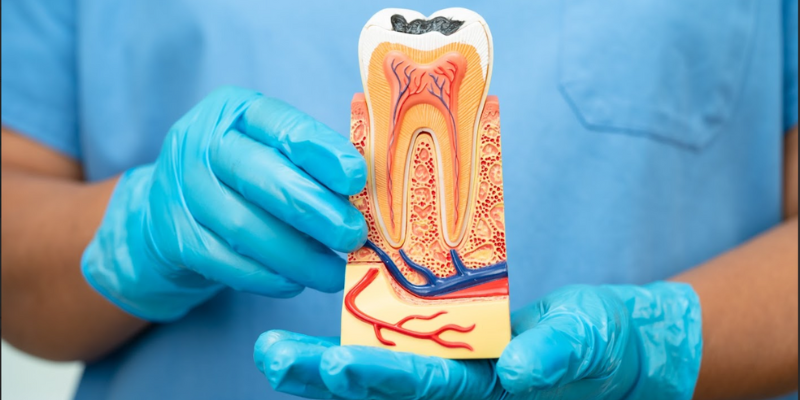
Endodontics is a specialized branch of dentistry that focuses on the pulp and tissues within the tooth. The pulp is a soft tissue containing nerves, blood vessels, and connective tissue, located within the tooth’s roots. Endodontic treatment is commonly referred to as a root canal procedure, and it is designed to address issues affecting the pulp.
Why Endodontic Treatment?
- Tooth Preservation: The primary goal of endodontic treatment is to save a tooth that has been compromised by infection, trauma, or deep decay. Without intervention, these issues can lead to severe pain and the potential loss of the tooth.
- Relief from Pain: Infected or inflamed pulp often causes intense toothache. Endodontic treatment not only aims to eliminate the source of the pain but also provides relief and prevents the spread of infection.
- Preventing Spread of Infection: Untreated dental infections can spread to the surrounding tissues, causing abscesses and potentially affecting other teeth. Endodontic treatment helps contain and eliminate the infection, preventing further complications.
The Endodontic Procedure
1. Diagnosis: The process begins with a thorough examination and diagnostic tests, such as X-rays, to identify the extent of the damage or infection. Symptoms like persistent pain, sensitivity to hot or cold, and swelling may prompt a dentist to recommend endodontic intervention.
2. Local Anesthesia: To ensure a pain-free experience, the dentist administers local anesthesia around the affected tooth.
3. Access Opening: A small opening is made in the tooth to access the pulp chamber and canals. This step allows the dentist to remove the infected or damaged pulp.
4. Cleaning and Shaping: Specialized instruments are used to clean the pulp chamber and root canals, removing any debris, bacteria, and damaged tissue. The canals are then shaped to facilitate effective filling.
5. Filling and Sealing: The cleaned and shaped canals are filled with a biocompatible material, usually gutta-percha, to seal the space and prevent recontamination. The access opening is closed with a temporary or permanent filling.
6. Restoration: In most cases, a tooth that has undergone endodontic treatment requires a crown to provide structural support and restore its functionality. This step ensures the tooth is protected and can withstand normal biting forces.
Post-Treatment Care
After a successful endodontic procedure, it’s essential to follow the dentist’s instructions for post-treatment care. Maintaining good oral hygiene practices and attending regular check-ups will help ensure the long-term success of the treatment.
Endodontic treatment may sound intimidating, but it is a valuable and often necessary procedure to save teeth from irreparable damage. Understanding the purpose and process of endodontic treatment empowers individuals to make informed decisions about their dental health, fostering a commitment to preserving natural smiles for years to come. If you suspect issues with your dental pulp, don’t hesitate to consult with your certified dentist in Denton – a root canal might just be the key to saving your tooth and alleviating that persistent toothache.