940-380-1188

Invisible Braces vs. Traditional Braces: An Orthodontist’s Perspective

Hey there, smile enthusiasts! Are you ready to embark on a journey of dental transformation? Braces have long been the go-to solution for achieving that perfect, straight smile. But with advancements in orthodontic technology, we now have more options than ever before. In this blog post, we’ll be diving deep into the world of braces and exploring two popular choices: traditional braces and invisible braces. So whether you’re a parent considering treatment for your child or an adult looking to enhance your pearly whites, grab a cuppa, and let’s explore which option might be best suited for your unique needs. Get ready to brace yourself (pun intended!) as we delve into the fascinating world of orthodontics!
Traditional Braces: How they work and their benefits
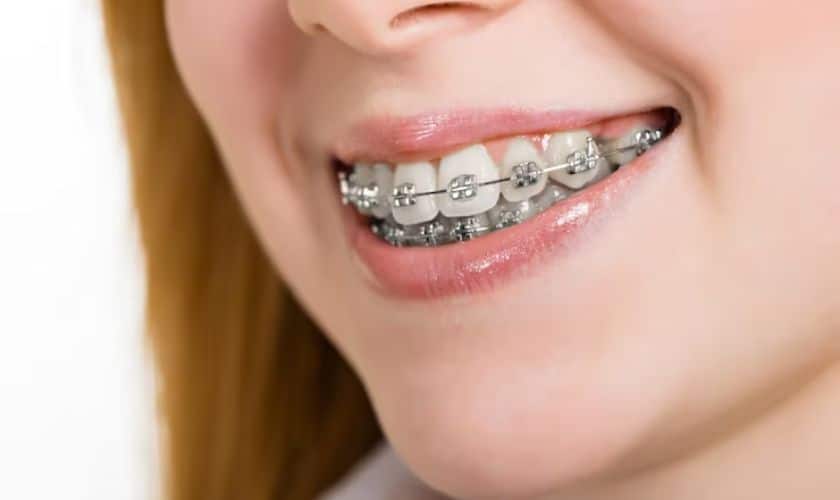
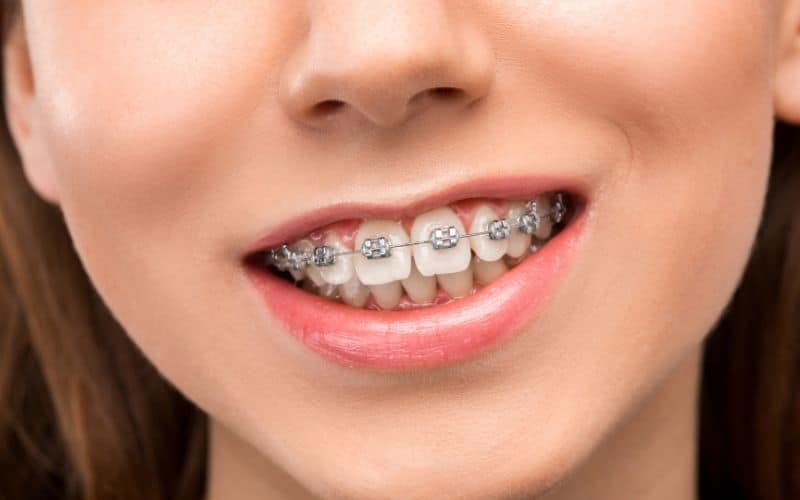
Traditional braces have been the go-to method for orthodontic treatment for many years. These braces consist of metal brackets that are bonded to the teeth and connected by wires. The purpose of traditional braces is to gradually align and straighten crooked or misaligned teeth.
When you first get traditional braces, your orthodontist will carefully place each bracket onto your teeth using a special adhesive. They will then thread an archwire through the brackets, which applies gentle pressure to move the teeth into their proper position over time.
One benefit of traditional braces is their effectiveness in treating a wide range of dental issues. Whether you have crowded teeth, gaps between your teeth, or bite alignment problems, traditional braces can address these concerns effectively.
Another advantage of traditional braces is that they allow for precise control over tooth movement. Your orthodontist can make adjustments to the wire tension during regular appointments to ensure that your teeth are moving correctly.
Traditional braces also tend to be more cost-effective compared to other orthodontic options. While prices may vary depending on individual cases and location, they generally offer a more affordable option for those seeking long-term solutions for their dental concerns.
Furthermore, with advancements in technology and materials used in traditional braces today, they are now smaller and less noticeable than before. Many patients even opt for colored bands as a way to personalize their brace experience!
Invisible Braces: How they work and their benefits
Invisible braces, also known as clear aligners, are a modern alternative to traditional metal braces. They work by using a series of custom-made, clear plastic trays that gradually shift your teeth into the desired position.
The process starts with a consultation where your orthodontist will take digital impressions and create a 3D model of your teeth. This allows them to design a treatment plan specifically tailored to your needs. Each tray is worn for about two weeks before moving on to the next one in the series.
One of the major benefits of invisible braces is their discreet appearance. The trays are virtually invisible when worn, making them an ideal choice for those who don’t want their orthodontic treatment to be noticeable. They can also be easily removed for eating and brushing, allowing for better oral hygiene throughout the treatment process.
Another advantage of invisible braces is comfort. Unlike traditional braces which can cause discomfort or irritation from wires and brackets, clear aligners are made from smooth plastic material that won’t irritate your gums or cheeks.
Additionally, invisible braces offer flexibility in terms of lifestyle choices. Since they can be removed during meals and special occasions, you have more freedom with what you eat and drink compared to traditional braces wearers who need to avoid certain foods that could damage their brackets or wires.
Invisible braces provide effective teeth straightening without compromising aesthetics or daily activities. However, it’s important to consult with an experienced orthodontist who can assess whether this type of treatment is suitable for your specific dental concerns before making any decisions about getting them fitted.
Choosing the right type of braces for your individual needs
When it comes to choosing the right type of braces for your individual needs, there are several factors to consider. First and foremost, you need to consult with an orthodontist who can evaluate your specific dental condition and provide expert advice.

One important aspect to consider is the severity of your orthodontic issues. Traditional braces are generally more suitable for complex cases involving significant misalignment or overcrowding. They offer precise control over tooth movement and allow for targeted adjustments throughout the treatment process.
On the other hand, invisible braces, such as clear aligners like Invisalign, may be a better option for mild to moderate alignment problems. These transparent trays gradually shift teeth into their desired positions without the use of brackets or wires. Invisible braces are removable, making oral hygiene easier and allowing you to enjoy certain foods that may be restricted with traditional braces.
Another factor influencing your decision is aesthetics – how discreet do you want your braces to be? Traditional metal brackets and wires are highly visible but can also come in fun colors if that’s something you’re interested in expressing yourself with! On the other hand, invisible braces are nearly undetectable when worn, offering a more inconspicuous treatment option.
Cost is another consideration. Traditional metal braces tend to be more affordable compared to invisible options like Invisalign. However, it’s essential not to solely base decisions on cost alone but rather take all factors into account when determining which choice best fits both your budget and desired outcome.
Selecting the right type of brace depends on various factors unique to each individual’s needs including complexity of alignment issues, aesthetic preferences along personal comfort level during treatment duration – only an experienced orthodontist can guide patients through these considerations effectively!
The Bottom Line
When it comes to choosing between traditional braces and invisible braces, there is no definitive answer that applies to everyone. Each type of brace has its own unique advantages and considerations. It ultimately boils down to your individual needs, preferences, and budget.
Traditional braces have been the go-to option for many years, offering effective treatment for a wide range of orthodontic issues. They are durable, reliable, and can correct even the most complex cases. However, they can be noticeable and may require more frequent visits to the orthodontist for adjustments.
On the other hand, invisible braces provide a discreet alternative with their clear aligners that gradually shift teeth into alignment. They offer greater flexibility in terms of appearance and convenience since they can be removed during meals and oral hygiene routines. However, they may not be suitable for severe cases or certain tooth movements.
Consulting with an certified orthodontist in Denton is crucial in making an informed decision about which type of braces will work best for you. They will thoroughly assess your specific needs after a comprehensive examination and recommend the most appropriate treatment plan tailored to your unique situation.
Remember that achieving a straighter smile goes beyond aesthetics; it also plays a significant role in maintaining oral health by improving bite functionality, and reducing jaw pain or discomfort from misalignment issues.
So whether you opt for traditional metal brackets or embrace the subtlety of clear aligners like Invisalign®, rest assured knowing you’re investing in enhancing both your smile’s appearance and overall well-being under professional guidance.
Don’t hesitate to schedule a consultation today at our clinic – let us help you embark on this transformative journey towards achieving the smile you’ve always desired!